Merck-Bio-Techne Deal Touches Life Science Tools Relevant to Agrochemical Residue Testing
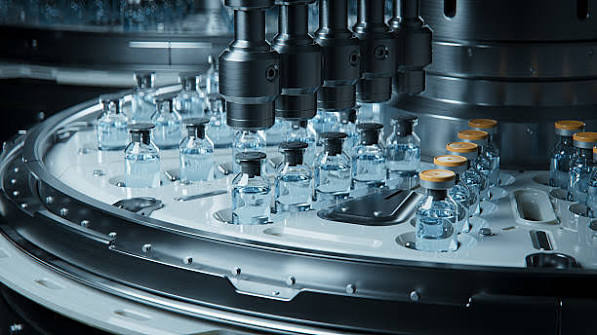
Merck's $11.3 billion acquisition of Bio-Techne is one of the largest life sciences transactions of 2026, significantly expanding its portfolio of analytical technologies, diagnostic solutions, and laboratory research tools. While the deal is primarily focused on strengthening Merck's position in the life sciences sector, it also has broader implications for industries that rely on advanced analytical testing—including agrochemical residue testing.
As global regulations surrounding food safety, environmental protection, and crop protection products become increasingly stringent, demand for high-precision laboratory technologies continues to grow. Modern life science tools are playing an increasingly important role in detecting pesticide residues, validating agrochemical formulations, supporting regulatory compliance, and improving quality assurance throughout the agricultural supply chain.

Why Life Science Tools Matter
The agrochemical industry depends heavily on analytical testing throughout the product lifecycle. From research and development to manufacturing and post-market monitoring, laboratory technologies help ensure products meet safety, quality, and regulatory requirements.
Advanced life science tools support activities such as:
Agrochemical residue testing
Pesticide formulation analysis
Quality control and assurance
Environmental monitoring
Regulatory compliance testing
Research and product development
Food safety verification
Laboratory validation and analytical workflows
As residue limits become stricter across global markets, investment in reliable analytical technologies is becoming increasingly important for agrochemical manufacturers and testing laboratories.
Accurate laboratory testing also depends on high-quality chemical reagents and industrial chemicals such as Methanol, Acetic Acid, Hydrochloric Acid (HCl), Hydrogen Peroxide, Caustic Soda, and Formic Acid. These materials are widely used in analytical laboratories, sample preparation, equipment cleaning, and quality control processes that support agrochemical residue testing and regulatory compliance.
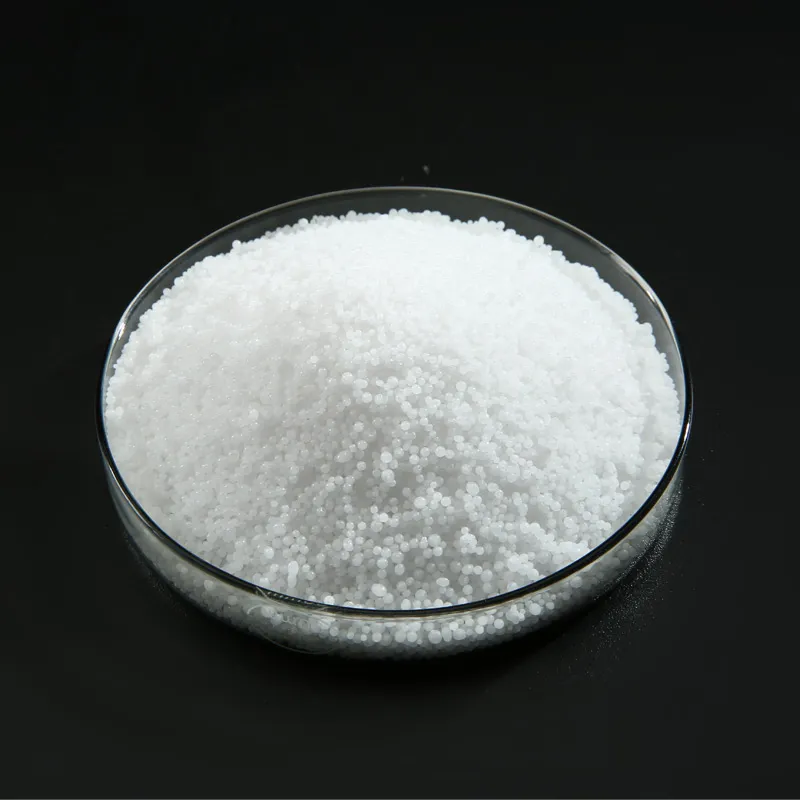
Caustic Soda Pearls - China
Market Implications
Merck's acquisition reflects the growing convergence between life sciences, analytical chemistry, and industrial manufacturing.
Potential market impacts include:
Expanded access to advanced analytical technologies
Greater innovation in laboratory testing solutions
Improved capabilities for residue analysis
Increased investment in regulatory compliance technologies
Stronger support for research and quality assurance laboratories
Continued growth in precision testing across agricultural industries
For agrochemical manufacturers, advances in laboratory technologies can improve product development, accelerate regulatory approvals, and strengthen customer confidence through more accurate testing and documentation.
Procurement Considerations
Procurement teams responsible for laboratory operations and agrochemical manufacturing should monitor developments in analytical technology alongside traditional raw material sourcing.
Recommended strategies include:
Evaluate laboratory technology suppliers regularly
Invest in reliable analytical testing capabilities
Monitor regulatory changes affecting residue testing
Strengthen partnerships with accredited testing laboratories
Support quality assurance through advanced analytical tools
Consider long-term technology investments that improve operational efficiency
Strong analytical capabilities not only support regulatory compliance but also help manufacturers improve product quality and reduce business risk.

Looking Ahead
The acquisition of Bio-Techne positions Merck to further expand its presence in life science research and analytical technologies. As global agricultural markets continue emphasizing food safety, sustainability, and regulatory compliance, demand for sophisticated laboratory tools is expected to increase.
For agrochemical manufacturers, analytical testing will remain a critical component of product development, quality assurance, and international market access. Companies that invest in advanced testing capabilities and maintain robust quality systems will be better positioned to meet evolving regulatory expectations while strengthening customer confidence.
Key Takeaways
Merck's acquisition of Bio-Techne expands its life science and analytical technology portfolio.
Advanced laboratory tools play an important role in agrochemical residue testing and quality assurance.
Stricter food safety and environmental regulations continue driving demand for analytical testing.
Modern testing technologies help manufacturers improve compliance, product quality, and customer confidence.
Procurement teams should consider analytical capabilities alongside traditional supply chain planning.
Found this useful?