Methanol: Global Supply Trends and Industrial Applications
Methanol is one of the most widely used industrial chemicals, supporting global production of plastics, adhesives, paints, construction materials and fuel-related products. Global demand approached 100 million tonnes in 2025, reflecting the chemical's importance across traditional manufacturing and emerging energy applications.
For chemical traders, importers and procurement managers, methanol offers opportunities across several downstream industries, but sourcing decisions depend on more than the quoted price. Production costs, feedstock availability, shipping routes, plant operating rates and regional demand all influence market conditions.
Understanding these factors helps buyers identify reliable suppliers, anticipate supply disruptions and manage procurement costs more effectively. Examining methanol's global supply trends alongside its industrial applications provides a practical foundation for making informed purchasing decisions.
What Is Methanol and How Does Industrial Production Work?
Methanol, also known as methyl alcohol, is a clear liquid chemical with the formula CH₃OH. Manufacturers use it as a chemical feedstock, solvent and fuel component, making it an important raw material for both chemical processing and energy-related industries.
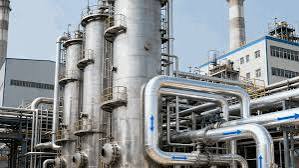
Industrial producers primarily manufacture methanol from natural gas or coal. The choice of feedstock influences production economics, regional competitiveness and the cost structure of the final product.
Natural gas-based production plays a major role in regions with access to competitive gas supplies. Coal-based production remains particularly important in China, where domestic industrial infrastructure supports large-scale methanol manufacturing.
Producers generally convert the feedstock into synthesis gas, a mixture containing hydrogen and carbon monoxide. They then process this gas through catalytic synthesis to produce methanol, followed by purification to meet the required commercial specifications.
The industry also continues to explore renewable methanol produced from sustainable feedstocks or pathways involving renewable hydrogen and captured carbon dioxide. These alternatives may create new sourcing opportunities as industries seek lower-carbon raw materials, although availability and production economics vary by project.
Global Methanol Supply Trends and Major Producing Regions
Methanol supply depends on production capacity, feedstock economics, plant operating rates and the ability to transport material to consuming markets. Although manufacturers operate across several regions, production and consumption do not always occur in the same locations, creating a substantial international trading market.
China remains a major force in global methanol production and consumption. Its extensive chemical manufacturing industry uses methanol in traditional derivatives and methanol-to-olefins (MTO) production, which converts methanol into ethylene and propylene, essential building blocks for plastics and other materials.
Other important supply regions include:
Middle East: Producers benefit from access to natural gas resources and established export infrastructure. Regional production plays an important role in supplying international markets.
North America: Natural gas availability supports methanol production, while established logistics networks help manufacturers serve domestic and overseas customers.
Latin America: Producers, particularly in countries such as Trinidad and Tobago, contribute to international supply through export-oriented operations.
Southeast Asia: Regional production capacity and industrial development contribute to supply availability, while individual countries differ in their balance between production and domestic consumption.
These regions serve different roles in the methanol market. Export-oriented producers may supply countries with large downstream industries but insufficient domestic output, while major consuming markets can rely on both local production and imports.
New capacity additions can improve availability, but the impact depends on commissioning schedules, production costs and the strength of downstream demand. Buyers should therefore assess actual supply conditions rather than assuming that announced capacity will immediately translate into additional export volumes.
What Is Driving Global Methanol Demand?
Methanol demand reflects the performance of several industries rather than a single end-use market. Changes in construction, automotive production, packaging, energy consumption and chemical manufacturing can all influence purchasing requirements.
Traditional chemical derivatives account for a substantial share of consumption. Formaldehyde, acetic acid and other methanol-based intermediates support the manufacture of products used throughout industrial supply chains.
Several factors shape current demand patterns:
Industrial production: Higher manufacturing activity can increase demand for methanol-based intermediates, resins, adhesives and solvents. Slower industrial output may reduce purchasing volumes and put pressure on prices.
Construction and infrastructure: Formaldehyde-based resins and other derivatives serve applications in engineered wood products, insulation, coatings and building materials. Construction activity therefore influences demand across several methanol-related markets.
Fuel applications: Methanol supports the production of fuel additives and other energy-related products. Some markets also use it directly in selected vehicle and industrial heating applications.
Petrochemical development: New methanol-to-olefins facilities can create significant demand, particularly where manufacturers use methanol as an alternative feedstock for producing olefins.
Energy and environmental policies: Regulations, fuel standards and investment in alternative energy systems can influence the commercial prospects of conventional and lower-carbon methanol.
China has been especially influential in methanol demand growth because of its large chemical industry and investment in MTO capacity. However, the performance of individual downstream sectors can differ, so buyers should track the industries relevant to their own customers rather than relying on broad market growth alone.
S&P Global+1
Industrial Applications of Methanol Across Key Sectors
Methanol's value comes from its versatility as both a direct industrial input and a starting material for other chemicals. Buyers should understand the intended application because different uses may require different purity specifications, handling procedures and quality documentation.
1. Formaldehyde and resin manufacturing
Formaldehyde is one of the most important chemical derivatives produced from methanol. Manufacturers use formaldehyde-based chemistry to make resins for engineered wood products, furniture components, insulation materials, adhesives and other industrial applications.
Demand from these industries connects methanol procurement to construction activity, furniture manufacturing and broader industrial production. Buyers supplying resin manufacturers should pay close attention to consistency of supply because interruptions can affect downstream production schedules.
2. Acetic acid and chemical intermediates
Methanol serves as a feedstock for acetic acid production. Acetic acid then supports the manufacture of vinyl acetate monomer, acetic anhydride and other intermediates used in coatings, adhesives, textiles and chemical processing.
For procurement teams, demand in these downstream markets can influence methanol purchasing volumes. Changes in operating rates at major acetic acid plants may also affect regional buying patterns.
3. Plastics and petrochemicals
Methanol-to-olefins technology provides an alternative route to producing ethylene and propylene. These chemicals serve as building blocks for packaging, plastic components, textiles and automotive products.
This application makes methanol an important input for integrated petrochemical operations, particularly in China. Buyers monitoring this segment should consider the competitiveness of methanol-based production relative to other feedstocks and the operating performance of downstream plants.
4. Fuels and energy-related products
Methanol supports the manufacture of methyl tert-butyl ether (MTBE), dimethyl ether (DME) and biodiesel-related products. Certain markets also use methanol directly in vehicles, marine applications and industrial heating systems.
These uses connect methanol demand with energy prices, government policies and changes in fuel technology. Buyers should evaluate local regulations and technical requirements before sourcing methanol for any fuel-related application.
5. Solvents, coatings and specialty chemicals
Methanol and its derivatives have applications in solvents, paints, coatings, chemical formulations and various specialty products. Manufacturers also use methanol in selected pharmaceutical and other industrial processes.
Demand varies by formulation and end market, which makes customer specifications an important part of procurement planning. Buyers should confirm that the supplied grade meets the technical requirements of the intended process.
Key Factors Affecting Methanol Prices and Supply Availability
Methanol prices can change as production economics, industrial demand and international trade conditions shift. Because the market depends on both regional manufacturing and cross-border distribution, even buyers in well-supplied markets can experience price changes caused by developments elsewhere.
The main price and availability drivers include:
Natural gas and coal prices: Feedstock costs strongly influence production economics. Changes in regional energy markets can alter the competitiveness of different manufacturing locations.
Plant operating rates: Planned maintenance, technical failures and feedstock shortages can reduce available supply. Unexpected shutdowns may tighten regional markets when replacement material is difficult to obtain.
Freight and shipping costs: Ocean transport, port congestion, insurance and inland delivery affect the landed cost of imported methanol. Longer shipping routes or logistical disruptions can weaken the advantage of a lower supplier quotation.
Supply-demand balance: Strong downstream consumption can tighten availability, while excess supply or weaker industrial activity can put downward pressure on prices.
Trade restrictions and geopolitical developments: Sanctions, changing trade routes and regional instability can redirect shipments or restrict access to particular suppliers.
These drivers do not always move in the same direction. For example, a period of weak demand may put pressure on prices, while a simultaneous supply disruption could limit the decline or create sharp increases in affected regions.
Procurement teams should therefore compare delivered costs rather than focusing exclusively on the quoted price per tonne. A supplier offering a lower base price may not provide the most competitive option once freight, storage, financing and delivery risks enter the calculation.
Global Methanol Trade: Challenges for Importers and Exporters
International methanol trade connects production centers with industrial consumers across Asia, Europe, the Americas and other markets. Exporters depend on efficient storage and shipping infrastructure, while importers need dependable access to suitable volumes at commercially competitive prices.
For international buyers, several supply chain challenges deserve attention.
Supplier concentration and regional dependence: Buyers that rely on a single producing country or supplier may face greater exposure to unexpected production interruptions, export restrictions or changes in shipping availability. Maintaining relationships with qualified alternative suppliers can improve sourcing flexibility.
Shipment timing and inventory planning: Methanol deliveries must align with production schedules, available storage capacity and expected consumption. Buyers should establish realistic lead times and maintain appropriate inventory buffers where supply interruptions could stop downstream operations.
Contract terms and payment conditions: Procurement teams should review minimum order quantities, pricing mechanisms, delivery terms, payment schedules and contractual provisions for delays. Clear terms reduce misunderstandings and help buyers compare offers on a consistent basis.
Product documentation and quality consistency: Importers should request appropriate specifications, certificates of analysis and safety documentation. They should also confirm that the supplier can maintain the required quality across repeat shipments.
A diversified sourcing strategy can reduce dependence on any single supplier or route. However, buyers should qualify alternative suppliers in advance rather than waiting until a disruption creates urgent purchasing requirements.
Methanol Handling, Safety and Regulatory Requirements
Methanol requires careful handling throughout storage, transport and industrial use. Its flammability and toxicity make safety procedures an essential part of purchasing and supplier qualification.
Procurement managers should confirm that suppliers provide suitable safety data sheets, accurate product identification and documentation required by the destination market. Buyers should also check applicable transport rules, import requirements and workplace safety obligations before arranging shipments.
Key operational considerations include:
Storage: Use appropriately designed tanks and compatible equipment, with suitable controls for fire prevention, ventilation and spill management.
Transportation: Confirm that packaging, tanker arrangements, labeling and shipping documentation meet the applicable requirements for the shipment and destination.
Worker protection: Ensure that handling procedures address exposure risks and that personnel receive appropriate training and protective equipment.
Quality verification: Check product specifications, purity requirements and supporting documentation before accepting deliveries.
Regulatory requirements vary by country and intended use. Importers should verify the applicable rules for their own market, particularly when sourcing across borders or supplying industries with specific quality and safety standards.
Renewable Methanol and the Future of Industrial Supply
Renewable and lower-carbon methanol are gaining attention as manufacturers and energy companies explore ways to reduce emissions across industrial value chains. These products can provide an alternative to conventional fossil-based methanol, depending on their feedstocks, production processes and verified environmental performance.
Renewable methanol may use biomass-derived feedstocks or renewable hydrogen combined with captured carbon dioxide. The commercial potential of these pathways depends on production costs, energy availability, project development and access to suitable infrastructure.
For buyers, this development introduces additional considerations beyond conventional pricing and availability.
Environmental requirements: Some customers may request information about production pathways, lifecycle emissions and the origin of feedstocks.
Supplier capability: Buyers should distinguish between established commercial production and projects that remain under development.
Price competitiveness: Renewable options may carry different costs from conventional methanol, depending on technology, feedstock availability and local incentives.
Long-term supply agreements: Businesses with sustainability targets may benefit from evaluating supply partnerships that support future demand for lower-carbon materials.
The transition will not affect every buyer at the same pace. Conventional methanol remains important to established industrial supply chains, while renewable alternatives may become increasingly relevant for companies with specific emissions targets or customer requirements.
What Procurement Teams Should Do Now
Methanol buyers can strengthen their sourcing decisions by combining market monitoring with practical supplier evaluation. A structured procurement approach helps companies respond to changing supply conditions without compromising product quality or delivery reliability.
Before finalizing a purchase, buyers should:
Define technical requirements. Confirm the required purity, grade, volume and application-specific specifications before requesting quotations.
Compare qualified suppliers. Evaluate supplier reliability, production origin, available documentation and delivery capabilities alongside the quoted price.
Calculate total landed cost. Include freight, insurance, handling, storage and relevant import charges when comparing offers.
Review market exposure. Monitor feedstock prices, regional production conditions and downstream demand to understand potential changes in supply and purchasing costs.
Develop alternative sourcing options. Maintain contact with qualified suppliers in different regions where practical and assess the costs of switching between them.
Plan inventory and deliveries. Align order quantities and delivery schedules with consumption forecasts, storage limits and production requirements.
These steps help procurement teams balance cost, quality and continuity of supply. They also support more informed negotiations when market conditions change or unexpected delivery constraints emerge.
Methanol will continue to serve as a critical input for chemical manufacturing, petrochemicals and selected energy applications. Companies that understand regional supply dynamics, monitor industrial demand and build reliable supplier relationships will be better positioned to manage sourcing risks and identify commercial opportunities.
Methyl Caproate
SOURCE LINK :https://methanol.org/knowledge-data?
Found this useful?