
Methyl Methacrylate (MMA): Uses in Acrylic Plastics
Methyl Methacrylate (MMA) plays an important role in the production of modern acrylic plastics. As a primary raw material for polymethyl methacrylate (PMMA), it supports the manufacture of transparent, durable and lightweight materials used across construction, automotive, electronics and consumer goods industries.
The demand for acrylic materials reflects their ability to combine optical clarity with practical performance. Manufacturers use these materials as alternatives to conventional glass in applications where transparency, design flexibility and reduced weight matter. Understanding MMA therefore helps chemical industry professionals evaluate the materials and production processes behind a wide range of industrial products.
What Is Methyl Methacrylate and Why Is It Important?
Methyl Methacrylate is an organic chemical compound with the molecular formula C₅H₈O₂ and CAS number 80-62-6. It belongs to the methacrylate family and serves primarily as a monomer in the manufacture of acrylic polymers and resins.
At room temperature, MMA exists as a clear, colourless liquid with a characteristic sharp, fruity odour. Its molecular structure contains a reactive carbon-carbon double bond, which allows it to participate in polymerization reactions and form larger molecular structures.
MMA as a Building Block for Acrylic Plastics
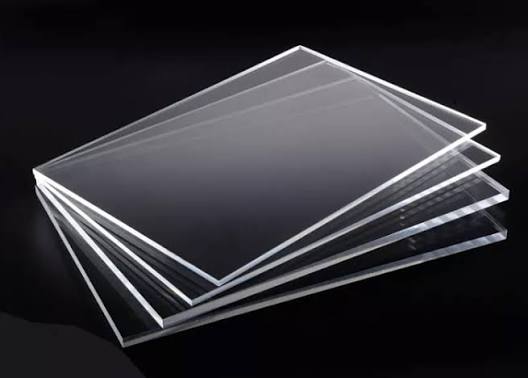
The most significant application of MMA involves producing polymethyl methacrylate (PMMA), commonly known as acrylic or acrylic glass.
During polymerization, individual MMA molecules connect to form long polymer chains. These chains create a rigid plastic material with excellent transparency and useful mechanical properties.
PMMA offers several characteristics that make it attractive to manufacturers:
Optical clarity: It allows high levels of visible light transmission, making it suitable for transparent panels and display products.
Weather resistance: It maintains useful optical and physical properties in many outdoor environments.
Lightweight structure: It weighs less than conventional glass, supporting applications where material weight matters.
Surface appearance: Its smooth finish supports attractive consumer and commercial products.
Manufacturing flexibility: Producers can process acrylic materials into sheets, rods, tubes and moulded components.
These characteristics explain why MMA remains an important raw material in the acrylic plastics industry.
How Methyl Methacrylate Becomes Acrylic Plastic
The transformation of MMA into acrylic plastic takes place through polymerization. This process changes small monomer molecules into larger polymer structures with different physical characteristics.
PMMA production generally involves controlled polymerization systems designed to achieve the required material properties and product specifications.
Understanding the Polymerization Process
MMA contains a reactive double bond that enables its molecules to connect during polymer formation. The resulting polymer consists of repeating methyl methacrylate units.
Different manufacturing approaches produce acrylic materials for specific applications.
Cast acrylic: Manufacturers form acrylic sheets through casting processes. This method supports the production of transparent sheets and other shaped products.
Extruded acrylic: Continuous extrusion produces acrylic sheets and profiles with consistent dimensions for industrial and commercial applications.
Moulding materials: Manufacturers use suitable acrylic resin forms to produce components with specific shapes and dimensions.
Each production method offers different characteristics relating to thickness, dimensional consistency, processing requirements and final product performance.
Why Material Quality Matters
The characteristics of the final acrylic product depend on several factors, including monomer quality, polymer composition and manufacturing conditions.
Manufacturers consider optical clarity, colour consistency, thermal performance and mechanical strength when selecting materials for particular applications.
MMA also readily undergoes polymerization under certain conditions. Commercial formulations therefore incorporate suitable stabilizing systems to maintain product quality during storage and distribution.
Major Industrial Applications of MMA-Based Acrylic Plastics
The versatility of PMMA allows manufacturers to serve several industries. Its combination of transparency, weather resistance and processing flexibility makes it valuable in products requiring both functional performance and attractive appearance.
Construction and Architectural Applications
The construction industry uses acrylic plastics in applications where transparency and durability are important.
Common applications include:
Skylights and roof panels: Transparent acrylic materials allow natural light into commercial and residential buildings.
Architectural glazing: Acrylic sheets provide lightweight alternatives for selected glass applications.
Protective barriers: PMMA supports the manufacture of transparent partitions and protective screens.
Lighting installations: Manufacturers use acrylic panels and diffusers to distribute light across commercial and residential spaces.
Interior design: Acrylic materials appear in decorative panels, furniture components and display installations.
Architects and manufacturers value acrylic because it offers design flexibility without relying exclusively on traditional glass materials.
Automotive and Transportation
Automotive manufacturers incorporate acrylic-based materials into selected vehicle components.
Applications include:
Exterior lighting covers and lens components.
Interior instrument panels and display covers.
Decorative automotive trim.
Transparent protective components.
Selected vehicle glazing applications.
MMA-based polymers also contribute to specialty plastic formulations. For example, methyl methacrylate-butadiene-styrene (MBS) materials can improve the impact performance of certain PVC formulations.
This connection demonstrates how methacrylate chemistry extends beyond standalone acrylic sheets into broader polymer manufacturing.
Electronics and Consumer Products
Acrylic plastics also serve manufacturers producing electronic equipment and consumer goods.
Their transparency and surface appearance make them suitable for selected display covers, lighting components, equipment housings and decorative electronic parts.
In consumer markets, acrylic materials appear in:
Retail display stands and product showcases.
Transparent furniture components.
Decorative household products.
Lighting fixtures and diffusers.
Protective covers for selected electronic equipment.
Factors Influencing Demand for Methyl Methacrylate
Demand for MMA closely follows activity in industries that manufacture acrylic polymers, coatings and specialty resins. Changes in construction, automotive production and consumer manufacturing can influence requirements for methacrylate-based materials.
Construction and Infrastructure Development
Construction activity supports demand for transparent building materials, architectural panels and lighting components.
As commercial buildings and infrastructure projects incorporate more modern materials, manufacturers continue to evaluate acrylic plastics for applications requiring transparency and design flexibility.
Automotive Manufacturing Trends
Vehicle manufacturers increasingly consider material weight, appearance and component performance during product development.
Acrylic-based polymers contribute to selected automotive applications, particularly lighting and decorative components. Demand from this sector therefore depends partly on vehicle production and changes in component design.
Growth in Consumer and Electronics Manufacturing
Electronics manufacturers require materials that provide suitable optical and physical characteristics.
Acrylic plastics support selected applications involving display components, protective covers and lighting systems. Changes in electronics production can therefore influence demand for PMMA and related polymer materials.
Raw Material and Production Economics
MMA production economics also influence its commercial position.
Important considerations include:
Availability and cost of upstream chemical feedstocks.
Energy requirements across chemical manufacturing operations.
Production capacity and maintenance schedules.
Transportation and distribution expenses.
Demand for finished acrylic resins and polymer products.
These factors influence the relationship between MMA availability, production costs and downstream purchasing requirements.
Global Supply Chain and Quality Considerations
MMA participates in an international chemical supply chain connecting chemical manufacturers, polymer producers, plastic processors and finished-product manufacturers.
The quality and consistency of the monomer can influence downstream production outcomes. Consequently, manufacturers pay attention to technical specifications and product documentation when evaluating industrial materials.
Important Quality Parameters
Chemical and polymer manufacturers generally assess several characteristics when reviewing MMA specifications.
Purity: Indicates the proportion of the required chemical compound and helps assess material consistency.
Inhibitor content: Relevant to the stability of commercial monomer formulations.
Moisture content: Helps evaluate contamination and potential effects on manufacturing consistency.
Colour and appearance: Provide additional indicators of product quality.
Technical documentation: Supports product identification, quality verification and regulatory review.
Specifications should match the intended industrial application rather than relying on a general commercial description.
Storage, Transportation and Regulatory Awareness
MMA is a flammable and reactive industrial chemical. Its storage and transportation require appropriate industrial controls, suitable packaging and compliance with applicable dangerous-goods requirements.
Its tendency to polymerize under certain conditions makes chemical stability an important consideration throughout its supply chain.
Manufacturers and logistics providers rely on relevant safety data sheets, transport documentation and applicable regulatory requirements to manage these materials responsibly.
The NOAA CAMEO Chemicals database identifies MMA as a flammable, polymerizable substance, highlighting the importance of appropriate industrial safety management.
Sustainability and the Future of Acrylic Plastics
Environmental considerations increasingly influence decisions across the plastics manufacturing industry. Acrylic plastics offer useful product characteristics, but their production, use and end-of-life management also require attention.
Recycling and Material Recovery
PMMA offers opportunities for material recovery through suitable recycling technologies.
Mechanical recycling can process recovered acrylic materials into secondary applications, depending on their condition and contamination levels. Chemical recycling approaches also explore ways to recover useful chemical building blocks from selected acrylic waste streams.
The effectiveness of these approaches depends on collection systems, material purity, processing technology and commercial viability.
Manufacturing Efficiency
Producers can improve resource efficiency by evaluating energy consumption, reducing manufacturing waste and improving material utilization.
Better production planning and consistent quality management can also reduce rejected materials and unnecessary processing.
Developing Advanced Acrylic Materials
Research into methacrylate-based polymers continues to explore improvements in optical performance, flexibility, surface properties and specialized industrial applications.
Manufacturers are also evaluating polymer formulations that combine acrylic materials with other components to meet changing product requirements.
These developments may expand the role of MMA-based polymers in advanced manufacturing, construction and consumer applications.
What Buyers Should Understand About the MMA Market
For chemical industry professionals, understanding MMA means looking beyond the monomer itself. Its commercial importance comes from its position within a larger value chain involving polymer production, acrylic sheet manufacturing and finished plastic applications.
Several considerations help buyers and manufacturers evaluate this market more effectively.
Understand downstream demand: Construction, automotive and electronics activity can influence requirements for acrylic materials.
Evaluate finished material specifications: PMMA grades differ according to production methods, dimensions and intended applications.
Review product documentation: Technical data sheets and safety documentation help establish material identity and quality requirements.
Monitor production economics: Energy costs, feedstock availability and manufacturing capacity influence the broader acrylic plastics market.
Consider environmental performance: Recycling opportunities and manufacturing efficiency increasingly influence material selection.
The relationship between MMA and PMMA remains important because changes in monomer availability and polymer production can affect multiple downstream manufacturing sectors.
As manufacturers continue developing transparent, lightweight and specialized plastic materials, methyl methacrylate will remain an important part of the acrylic materials value chain.
For companies involved in acrylic plastics, understanding the chemical's properties, industrial applications and downstream market connections provides a stronger foundation for evaluating material requirements and manufacturing opportunities.
PVC Resin
Found this useful?