Metso Commissions 4-MW Slurry Pump Test Rig in Sweden
Metso’s new slurry pump test rig in Sala, Sweden, gives industrial buyers greater visibility into full-scale pump performance before equipment enters demanding service. The 4-MW facility can test pumps at flows of up to 25,000 m³/h and verify current Metso slurry pump sizes through the MD900 model.
For procurement teams, the development goes beyond a new testing installation. Large slurry pumps operate in environments where abrasive solids, high flow rates and demanding process conditions can place significant pressure on equipment performance, reliability and maintenance requirements.
The new facility strengthens the ability to validate equipment under realistic operating conditions. That matters for mining, mineral processing and other industries where pump performance directly affects material movement and overall plant productivity.
A New Scale for Slurry Pump Performance Testing
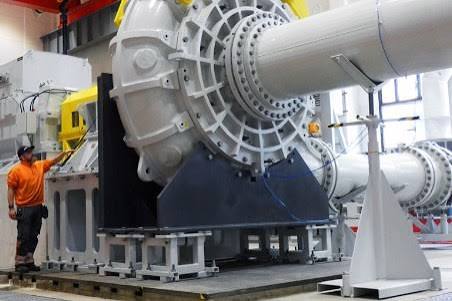
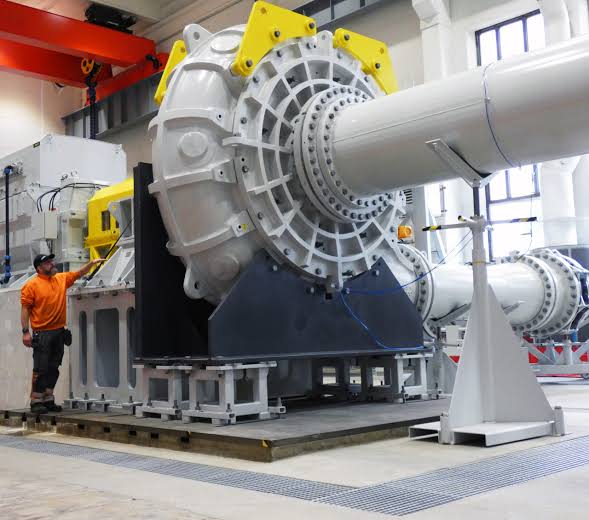
Metso has commissioned the new 4-MW test rig at its Test and Training Center in Sala, Sweden. The company describes the installation as one of the largest facilities of its kind globally, with the first tests already completed.
The rig can handle flows reaching 25,000 m³/h, giving engineers the capacity to assess very large slurry pumps at full scale. It can also test Metso's current pump portfolio up to the MD900 model.
Full-scale testing provides a practical way to evaluate pump behavior before equipment reaches a customer's processing operation. Instead of relying only on smaller-scale testing or calculated performance expectations, engineers can assess equipment at the scale required for major industrial duties.
For buyers, this capability can provide additional performance information when evaluating equipment for large processing systems. It also supports more informed discussions around pump sizing, operating conditions and expected service requirements.
Why Full-Scale Testing Matters to Industrial Buyers
Slurry pumping presents different challenges from conventional liquid transfer. The material being moved can contain abrasive solids that increase wear on pump components and influence the equipment's operating performance.
Pump selection therefore needs to account for the actual process rather than focusing only on headline capacity. Flow requirements, slurry characteristics, discharge conditions and the expected operating environment all influence equipment selection.
A full-scale testing program can help engineering teams understand how a pump performs within these demanding conditions. It can also provide performance data that supports equipment validation before a major installation enters service.
For procurement professionals, the potential benefits include:
Better equipment selection: Full-scale testing can provide additional evidence when teams compare pump configurations for demanding applications.
Lower operational uncertainty: Performance verification before deployment can help identify potential issues earlier in the project cycle.
Improved reliability planning: Detailed pump performance information can support maintenance and operating strategies.
Greater project confidence: Large pumping systems represent significant capital and operating commitments, making performance validation an important purchasing consideration.
Sala Becomes a Broader Pump Technology Hub
The new rig builds on Sala's long history in slurry pump manufacturing and innovation. Metso's site combines pump production with testing, training, hydrocyclone capabilities, valves and digital condition monitoring.
This combination creates an environment where equipment development and testing can take place alongside other technologies used in mineral processing. The center also operates smaller and larger pump test rigs for product development, prototype testing and customer-specific performance validation.
The broader testing infrastructure is relevant because industrial pump requirements vary significantly from one operation to another. A solution designed for one slurry duty may not provide the same results in another process with different solids characteristics, flow conditions or system requirements.
The expanded facility gives Metso more room to evaluate large equipment while continuing development work across different pump sizes.
What the 25,000 m³/h Capacity Means for Procurement
The 25,000 m³/h testing capability represents a significant scale for industrial slurry handling. High-capacity processing plants require pumping systems that can move large volumes while maintaining stable and predictable operation.
At this scale, pump performance can have a direct relationship with plant throughput. A pump that fails to meet the required duty point can create bottlenecks, while equipment that operates outside an efficient range can increase energy use or accelerate wear.
Procurement teams therefore need to look beyond the initial equipment price. The commercial evaluation should consider how pump performance affects the broader process and the cost of operating and maintaining the system.
Key questions during equipment evaluation can include:
What flow rate does the process require under normal and peak operating conditions?
What type and concentration of solids will the pump handle?
What operating conditions could accelerate component wear?
How will the selected pump integrate with the wider process system?
What testing and performance information can the supplier provide before commissioning?
These questions can help buyers connect technical specifications with practical operating requirements.
Supporting Reliability in Demanding Processing Environments
Slurry pumps often serve as critical equipment in mineral processing operations. When pumping performance deteriorates, the impact can extend beyond the pump itself and affect material handling, production continuity and maintenance schedules.
Metso's new testing capability is designed to support reliability by enabling more extensive validation of large pumps. The company says the facility will help customers optimize pump selection, improve reliability and reduce operational risk.
That approach reflects a broader shift in industrial procurement toward lifecycle performance. Buyers increasingly need to consider how equipment will perform throughout its operating life rather than treating the purchase price as the main purchasing criterion.
Testing also has value during product development. Engineers can use performance results to refine equipment designs and build a stronger understanding of how large pumps respond to demanding operating conditions.
Implications for Mining and Mineral Processing
Mining and mineral processing remain major applications for slurry pumping because processing plants must continuously move mixtures containing water and solid materials. Applications can include mineral transport, mill discharge, flotation-related duties and other stages of the processing flow.
Metso's slurry pump portfolio covers a range of horizontal and vertical pumping applications. The new test rig expands the company's ability to validate its larger equipment at a scale aligned with major industrial processing requirements.
For mining companies planning capacity expansions, equipment upgrades or new processing facilities, large pump testing can become an important part of the supplier evaluation process. Procurement teams can use available performance information to compare proposed equipment with actual process requirements.
The development may also support future equipment development as processing plants become larger or require higher material-handling capacity.
A Future-Ready Approach to Large Pump Development
The new facility has been designed with future pump development in mind. Metso says the rig can accommodate even larger pump sizes as its product portfolio evolves.
That forward-looking capability is relevant to long-term industrial equipment development. Processing operations continue to pursue higher productivity while managing energy, maintenance and reliability requirements.
Testing infrastructure must therefore keep pace with equipment development. A facility that can evaluate larger pumps provides engineering teams with greater flexibility as new designs move from development into validation.
Metso is also continuing investment at its Sala site, including improvements to manufacturing, testing and training facilities. A new 5,400 m² warehouse and delivery center is planned to increase the site's total building area from approximately 21,000 m² to more than 26,000 m².
The combination of testing, manufacturing and logistics capabilities reinforces the site's role in Metso's global pumps activities.
What Procurement Teams Should Watch Next
The commissioning of the 4-MW rig highlights the importance of performance validation in large-scale pumping projects. For buyers, the development provides a useful reminder that equipment selection should connect technical performance with the realities of the process.
Procurement teams evaluating slurry pumping systems should pay particular attention to:
Full-scale validation: Ask suppliers what testing has been completed for the specific pump size and operating duty being considered.
Performance data: Review available pump curves and operating information against the actual process requirements.
Wear considerations: Consider the characteristics of the slurry and how they may influence component life and maintenance needs.
Lifecycle costs: Assess energy consumption, maintenance requirements, spare parts and expected service support alongside the initial purchase price.
Supplier support: Evaluate the supplier's ability to provide engineering, testing, service and aftermarket support throughout the equipment lifecycle.
These factors can help buyers build a more complete assessment of large slurry pumping equipment.
The Bottom Line for Industrial Pump Buyers
Metso's new 4-MW slurry pump test rig expands full-scale testing capability at its Sala facility and enables pump testing at flows of up to 25,000 m³/h through the MD900 size range. The investment gives engineers a larger platform for product development, performance verification and customer-specific validation.
For mining and mineral processing buyers, the development highlights the growing importance of evidence-based equipment selection. Large pumps can influence throughput, maintenance planning and operational reliability, making performance validation an important part of the procurement process.
As processing facilities pursue higher capacity and more reliable operations, large-scale testing can help bridge the gap between equipment specifications and real operating requirements. Buyers that examine testing capabilities, performance data and lifecycle support alongside price can build procurement decisions around the complete operating value of the equipment.
Bentonite
Found this useful?