Mexico Reopens the Caustic Soda Fight: Sunset Review Threatens 30-Year-Old U.S. Tariff Relief
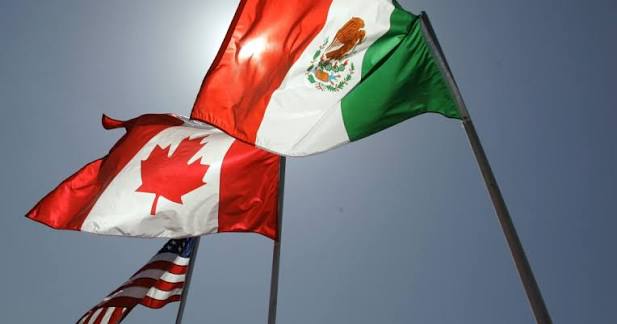
Mexico has reopened a long-running trade dispute by launching a sunset review of its 1995 antidumping measure on U.S. liquid caustic soda. Initiated by Mexico's Unit of Trade Practices (UPCI) in July 2025, the review will determine whether the existing antidumping duty of US$195 per metric ton should remain in force or expire. A final decision is expected in March 2026.
The outcome could reshape caustic soda trade between the United States and Mexico, influencing import costs, regional supply chains, and procurement strategies for industries that depend on this essential industrial chemical.
Why the Sunset Review Matters
A sunset review evaluates whether removing an existing antidumping measure would likely lead to renewed dumping and injury to domestic producers. The decision has important implications for both exporters and importers.
If the duty remains:
U.S. exporters may continue facing higher costs when selling into Mexico.
Mexican buyers could continue sourcing from alternative international suppliers.
Regional trade flows may remain constrained.
If the duty expires:
U.S. producers may become more competitive in the Mexican market.
Cross-border chemical trade could increase.
Buyers may benefit from greater supplier choice and improved pricing competition.
The review therefore has the potential to influence North American chemical trade well beyond the caustic soda market.
Caustic Soda is a cornerstone of the chlor-alkali industry and is widely used in pulp and paper, alumina refining, water treatment, textiles, soaps and detergents, and chemical manufacturing. Related products such as Hydrochloric Acid (HCl), Sodium Hypochlorite, Chlorine, Hydrogen Peroxide, and Acetic Acid also play critical roles in industrial processing and are influenced by regional trade policies and supply chain dynamics.
Hydrogen Peroxide (35%) - Thailand
Market Implications
The review may lead to:
Changes in U.S.–Mexico caustic soda trade volumes
Increased uncertainty for buyers until the final ruling
Potential shifts in regional supplier preferences
Changes in contract pricing and procurement strategies
Greater focus on North American trade policy developments
Supply chain adjustments across chlor-alkali markets
Companies operating in the chlor-alkali industry will likely monitor the outcome closely before making long-term purchasing decisions.
Procurement Considerations
Procurement professionals should:
Monitor developments in the UPCI sunset review
Review supply contracts ahead of the March 2026 decision
Diversify sourcing across multiple suppliers and regions
Evaluate potential pricing scenarios under both outcomes
Maintain flexibility in procurement planning
Monitor North American trade policy developments
Preparing for multiple scenarios can help businesses reduce commercial risk while maintaining supply continuity.

Looking Ahead
The final determination, expected in March 2026, will play an important role in shaping future caustic soda trade between the United States and Mexico. Whether the antidumping duty is maintained or removed, the decision is likely to influence regional pricing, supplier competition, and cross-border trade flows.
For procurement teams, closely tracking regulatory developments and maintaining diversified sourcing strategies will remain essential while the review process continues.
Key Takeaways
Mexico has initiated a sunset review of its 1995 antidumping measure on U.S. liquid caustic soda.
The current antidumping duty is US$195 per metric ton.
A final decision is expected in March 2026.
The outcome could reshape North American caustic soda trade and pricing.
Procurement teams should monitor the review while maintaining sourcing flexibility.
Found this useful?