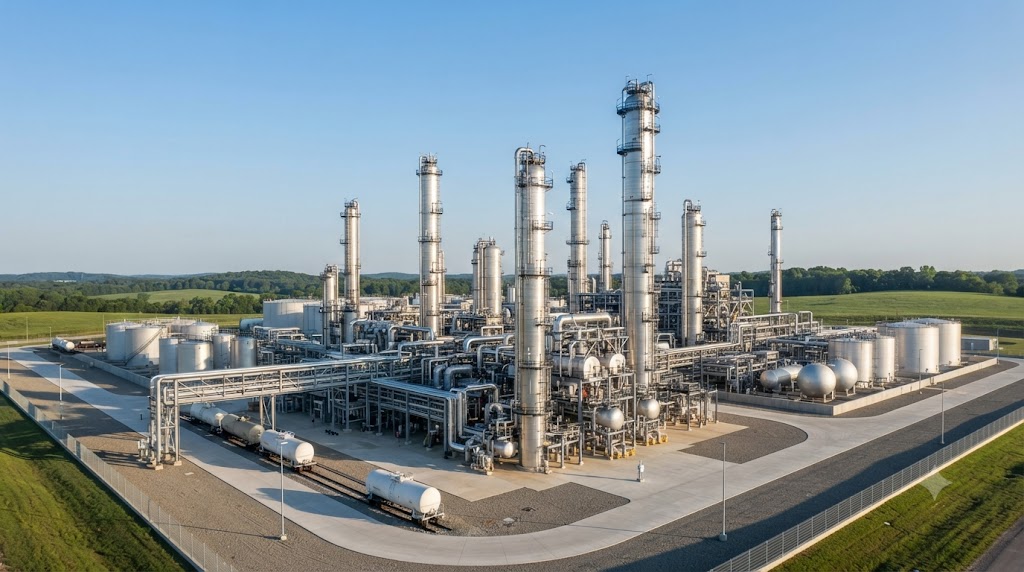
Middle East Petrochemical Capacity Damage Reshapes Global Trade Patterns
Damage to petrochemical production capacity in the Middle East is forcing a major adjustment in global chemical trade patterns, according to C&EN's Q2 earnings analysis. Major producers are responding by making up for lost regional output, creating new pressures on where chemicals are produced, traded and sourced.
For chemical traders, procurement managers, importers and exporters, the disruption extends beyond individual plants. Middle East petrochemical capacity plays a major role in international supply, so prolonged production losses can influence availability, trade routes, regional pricing pressure and purchasing decisions across several downstream markets.
The current shift also highlights how concentrated chemical production can create vulnerabilities when a major manufacturing region faces extended disruption.
Why Middle East Capacity Matters to Global Chemical Trade
The Middle East has developed into one of the world's most important petrochemical production regions because of its large-scale manufacturing infrastructure and access to key feedstocks. Its output supports international markets through extensive export networks serving Asia, Europe, Africa and other regions.
When capacity in the region becomes unavailable, buyers cannot simply replace every affected volume through another nearby supplier. Alternative producers may have different production costs, logistics requirements, product specifications or available export capacity.
The result is a redistribution of sourcing activity. Buyers that previously relied heavily on Middle Eastern suppliers may need to consider producers in other regions, while manufacturers outside the affected area can face stronger demand for their available material.
This creates several immediate trade implications:
Alternative sourcing gains importance: Buyers may expand supplier networks to reduce exposure to a single production region.
Trade routes can shift: Cargoes may move toward markets where replacement demand creates stronger commercial opportunities.
Regional availability becomes more important: Producers with spare capacity can become strategically significant to international buyers.
Procurement decisions become more dynamic: Contract structures, inventory levels and delivery schedules may require closer monitoring.
Producers Are Responding to Lost Petrochemical Output
C&EN's Q2 earnings analysis found that major producers are directly working to compensate for petrochemical production capacity damaged in the Middle East. This response is significant because it indicates that the market is not relying only on inventories or delayed deliveries to absorb the disruption.
Producers outside the affected region can play a larger role when global buyers search for replacement supply. Their response may include directing additional volumes toward international markets, adjusting operating priorities or taking advantage of stronger demand for particular products.
For traders, this creates a market in transition rather than a simple supply shortage. The location of available production matters almost as much as the amount of production available.
A producer with access to suitable feedstock, export infrastructure and open capacity can become more competitive even if it was not previously a primary supplier to a particular market.
How Supply Chains Are Being Rebalanced
Petrochemical supply chains depend on more than production volume. Feedstock access, plant integration, storage capacity, shipping infrastructure, port availability and established customer relationships all influence how quickly another region can replace disrupted output.
When Middle Eastern capacity comes offline, buyers may therefore encounter different replacement options depending on the product involved. Some materials can shift relatively quickly between suppliers, while others require longer qualification processes or face tighter regional production constraints.
The changing supply picture can affect traders in several ways. A company that traditionally sourced material from one region may now need to combine suppliers from multiple production centers to maintain continuity.
Supplier diversification becomes a commercial tool rather than simply a risk-management exercise. It can give buyers more flexibility when production conditions change unexpectedly.
Pricing Pressure Can Move Beyond the Affected Region
Production losses do not automatically translate into uniform price increases across every petrochemical product. The impact depends on the scale of lost capacity, available inventories, replacement production and the ability of alternative suppliers to deliver into affected markets.
However, tighter availability can increase competition for cargoes in regions that offer suitable replacement material. Buyers may then face stronger negotiating pressure, especially when several markets compete for the same export volumes.
Traders should watch the relationship between production availability and freight economics. A replacement cargo may exist, but its delivered cost can change significantly if it must travel farther or use a less efficient logistics route.
Key pricing factors include:
Replacement production costs: Higher-cost producers may set a different commercial floor for alternative supply.
Freight and insurance: Longer routes can raise the delivered cost of petrochemical materials.
Inventory positions: Strong inventories can temporarily reduce the impact of production losses.
Downstream demand: Weak demand can absorb part of the supply disruption, while firm demand can amplify it.
Regional competition: Buyers in different markets may compete for the same available export volumes.
What the Shift Means for Chemical Procurement Teams
Procurement teams need to look beyond headline production disruptions and assess their direct exposure to Middle Eastern supply. A buyer may not purchase directly from the region but could still depend on products whose global availability relies on Middle Eastern production.
This indirect exposure can become important when alternative producers redirect cargoes toward markets offering better margins or stronger contractual demand.
Procurement teams should therefore review:
Supplier concentration: Identify products where a large share of sourcing depends on one region or supplier group.
Replacement options: Establish alternative suppliers before an urgent requirement emerges.
Lead times: Compare standard delivery schedules with potential alternative routes.
Inventory coverage: Determine how long current stock can support production if normal supply becomes unavailable.
Specification requirements: Confirm that substitute materials meet technical and regulatory requirements.
Commercial flexibility: Review whether contracts allow changes in volume, destination or delivery schedules.
A broader supplier base can also improve negotiation leverage. Buyers with multiple qualified sources have more options when availability or logistics conditions change.
Exporters and Traders Could See New Market Opportunities
The redistribution of petrochemical supply creates opportunities as well as risks. Producers and exporters outside the Middle East may gain access to buyers that previously relied on regional suppliers.
Traders can help bridge this gap by connecting available production with markets facing replacement demand. This role becomes particularly important when buyers need smaller or irregular quantities that large producers may not prioritize.
Market intelligence becomes critical during this adjustment. Traders need to understand not only where material is produced but also where producers have exportable volumes and which destinations are becoming commercially attractive.
Exporters should also evaluate logistics before committing to new markets. A product may have competitive pricing at origin but lose its advantage after freight, handling, storage and financing costs are included.
Regional Trade Flows Could Remain More Flexible
The current disruption demonstrates how quickly global chemical trade patterns can change when a major production region loses capacity. Replacement volumes can create new commercial relationships between producers and buyers that may continue even after affected capacity returns.
Asian markets, European buyers and other importing regions may therefore reassess their sourcing structures. The longer the disruption continues, the greater the opportunity for alternative suppliers to establish new customer relationships.
This does not mean Middle Eastern producers will permanently lose their importance. Once damaged capacity returns, established cost advantages and integrated petrochemical infrastructure can again make the region highly competitive.
Instead, the disruption can encourage buyers to maintain a more diversified sourcing model. Companies may retain alternative suppliers even when their original Middle Eastern sources resume normal operations.
What Chemical Buyers Should Watch Through 2027
The next phase of the market will depend heavily on how quickly damaged production capacity returns and how effectively other producers continue to compensate for lost output. Buyers should monitor capacity recovery alongside broader demand conditions rather than treating the disruption as an isolated supply event.
Several signals deserve close attention:
Capacity restoration: The timing and scale of returning Middle Eastern production will influence the availability of replacement volumes.
Producer operating decisions: Non-Middle Eastern producers may adjust output or export priorities as market conditions evolve.
Freight conditions: Changes in shipping costs can determine whether alternative sources remain commercially attractive.
Downstream consumption: Demand from plastics, packaging, construction, automotive and other manufacturing sectors will influence the balance between supply and demand.
Supplier diversification: Buyers may continue using alternative suppliers even after regional capacity recovers.
For traders, these factors can determine where opportunities emerge. For procurement managers, they can help define when to secure inventory, renegotiate supply arrangements or qualify additional sources.
The Bottom Line for Procurement Teams
The damage to Middle East petrochemical capacity is reshaping global trade by forcing producers, traders and buyers to reconsider where replacement supply can come from. C&EN's Q2 earnings analysis highlights the direct response from major producers as they work to compensate for damaged regional output.
For chemical buyers, the central lesson is clear: supply security increasingly depends on flexibility across regions, suppliers and logistics routes. Companies that understand their exposure and maintain qualified alternatives can respond faster when production conditions change.
The evolving trade environment also creates opportunities for exporters with available capacity and traders capable of connecting alternative supply with new demand centers. As global petrochemical markets adjust, procurement strategies built around diversification, visibility and flexible sourcing can become increasingly valuable.
Ready to source PVC Resin from verified global suppliers? Explore competitive offers on our platform today.

PVC Resin
Found this useful?