Middle East Petrochemical Exports Redirect Amid Lingering Gulf Logistics Constraints
Middle East Petrochemical Exports Redirect Amid Lingering Gulf Logistics Constraints
Middle East petrochemical exporters continue to operate under residual logistics constraints linked to earlier disruptions in the Strait of Hormuz and broader Gulf shipping risk. While some traffic has resumed and partial recovery in fertilizer and chemical movements has been observed, insurance premiums, schedule reliability and vessel availability have not fully normalized. Exporters of polyethylene, polypropylene, methanol, ethylene glycols and other derivatives are responding by redirecting volumes, rewriting commercial terms and repositioning regional stocks to protect both margins and customer relationships.
The Gulf remains one of the world’s most important origins for seaborne petrochemicals. When transit risk rises, the immediate effects are delayed loadings, longer waiting times, higher freight and insurance costs, and, in some cases, cargoes that cannot move on previously planned routes. Even after acute closure periods ease, the commercial aftershocks persist: war-risk clauses remain elevated, some shipowners stay selective about Gulf calls, and buyers demand greater flexibility on delivery windows. These conditions have kept a share of traditional export programs under continuous review.
Destination Shifts and Contract Adaptation
Exporters have adjusted destination mixes where possible, prioritizing markets reachable with lower incremental risk or shorter alternative routings. Some volumes that previously moved on longer Asia–Europe or Asia–Americas itineraries have been redirected toward nearer Asian, African or regional buyers better able to absorb timing variability. Where long-haul commitments remain, contracts increasingly incorporate wider delivery tolerances, clearer force-majeure language tied to chokepoint conditions, and mechanisms for sharing extraordinary freight or insurance costs.
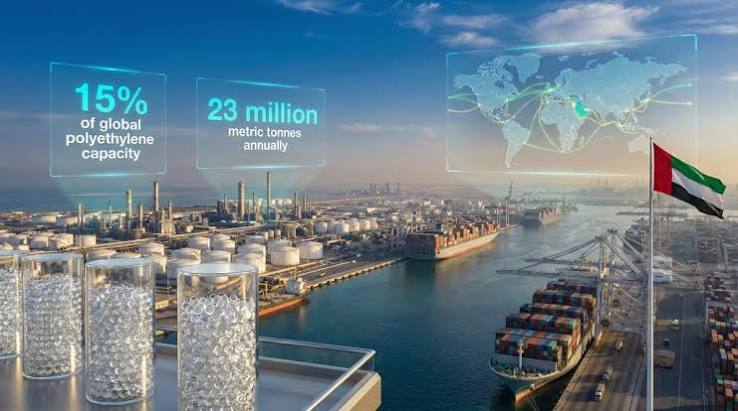
Regional stock strategies have also evolved. Producers and traders are holding more material in intermediate storage locations outside the highest-risk zones, enabling faster response to open lifting windows and reducing the chance of product being trapped behind a renewed transit restriction. This buffer approach raises working-capital requirements but improves the ability to meet contractual obligations when primary export routes are impaired.
Implications for Global Buyers and Trade Flows
For importers dependent on Middle East petrochemicals, the lingering constraints translate into less predictable arrival times and a higher probability of origin or routing substitutions. Landed-cost calculations must now routinely include elevated freight and insurance scenarios rather than treating them as exceptional. Buyers with diversified origin portfolios—combining Gulf supply with US, Asian or other sources—are better positioned to manage shortfalls or delays. Those with high single-origin exposure face greater pressure to secure alternative volumes or accept longer inventory covers.
The redirection of exports does not imply a permanent loss of Middle East competitiveness; cost positions for many Gulf producers remain strong. It does, however, illustrate how logistics risk can reshape near-term trade patterns even when production capacity itself is intact. Until insurance markets, vessel willingness and schedule reliability return closer to pre-disruption norms, Middle East petrochemical export flows will continue to reflect a more cautious, flexible and regionally adaptive commercial posture.
Lingering Gulf logistics constraints have moved from acute crisis to persistent operating condition. Exporters are redirecting cargoes, revising terms and adjusting stocks accordingly, while buyers recalibrate expectations around timing and cost. The resulting trade map is more complex than the one that prevailed before the disruptions—and is likely to remain so until the underlying shipping risk fully recedes.
Sodium Hydrosulfide (68%) - China
Found this useful?