Mining Waste Metal Recovery: A Future Feedstock for Micronutrient Fertilizers | ChemicalsBlog.com
Agrochemicals & Fertilizers
schedule3 Min Read
Mining Waste Metals Recovery: A New Circular Feedstock for Micronutrient Fertilizers?
terminal
prodchem
Jul 16, 2026
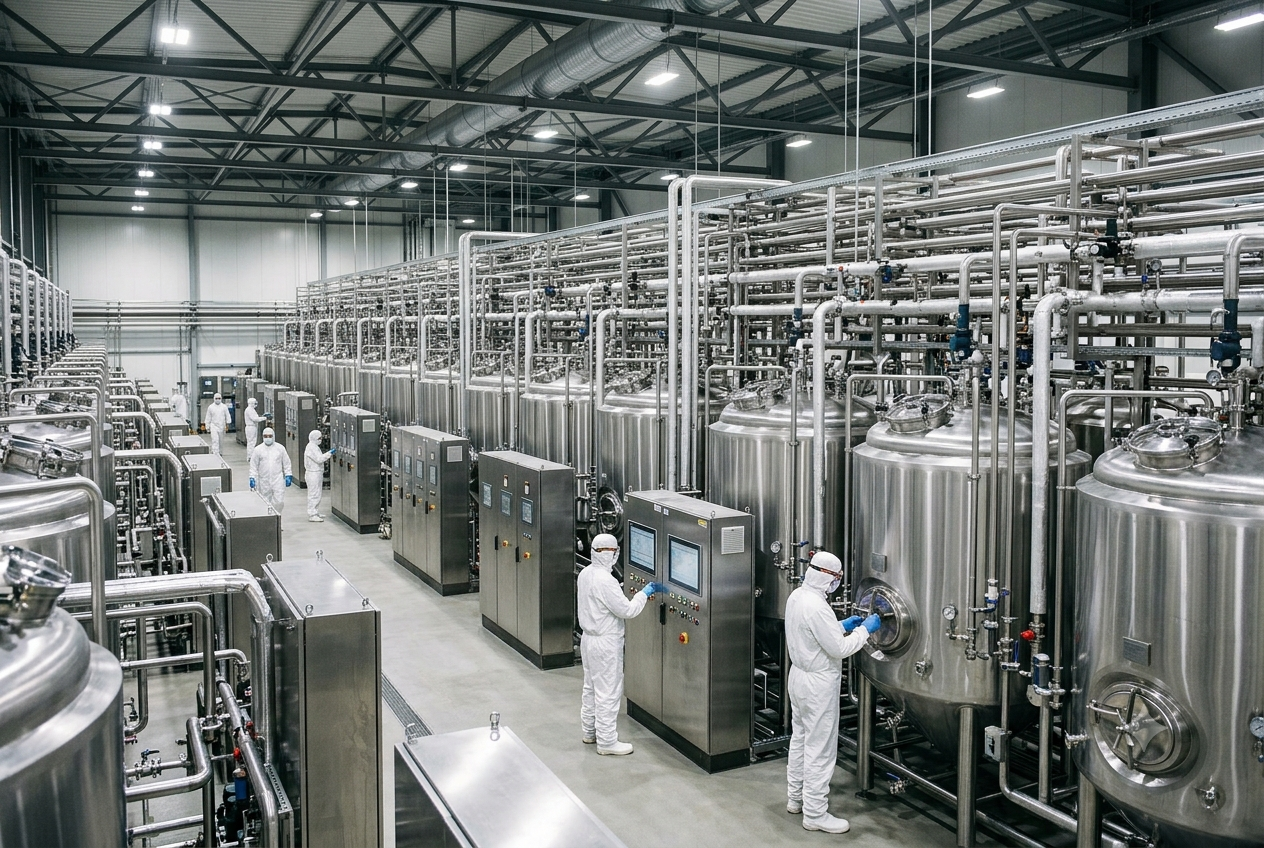
As the agricultural industry embraces circular economy principles, mining waste is gaining attention as a potential source of valuable raw materials. Every year, mining operations generate millions of tonnes of waste containing residual metals that often remain unused. Advances in extraction and recycling technologies are creating new opportunities to recover these resources and return them to industrial supply chains.
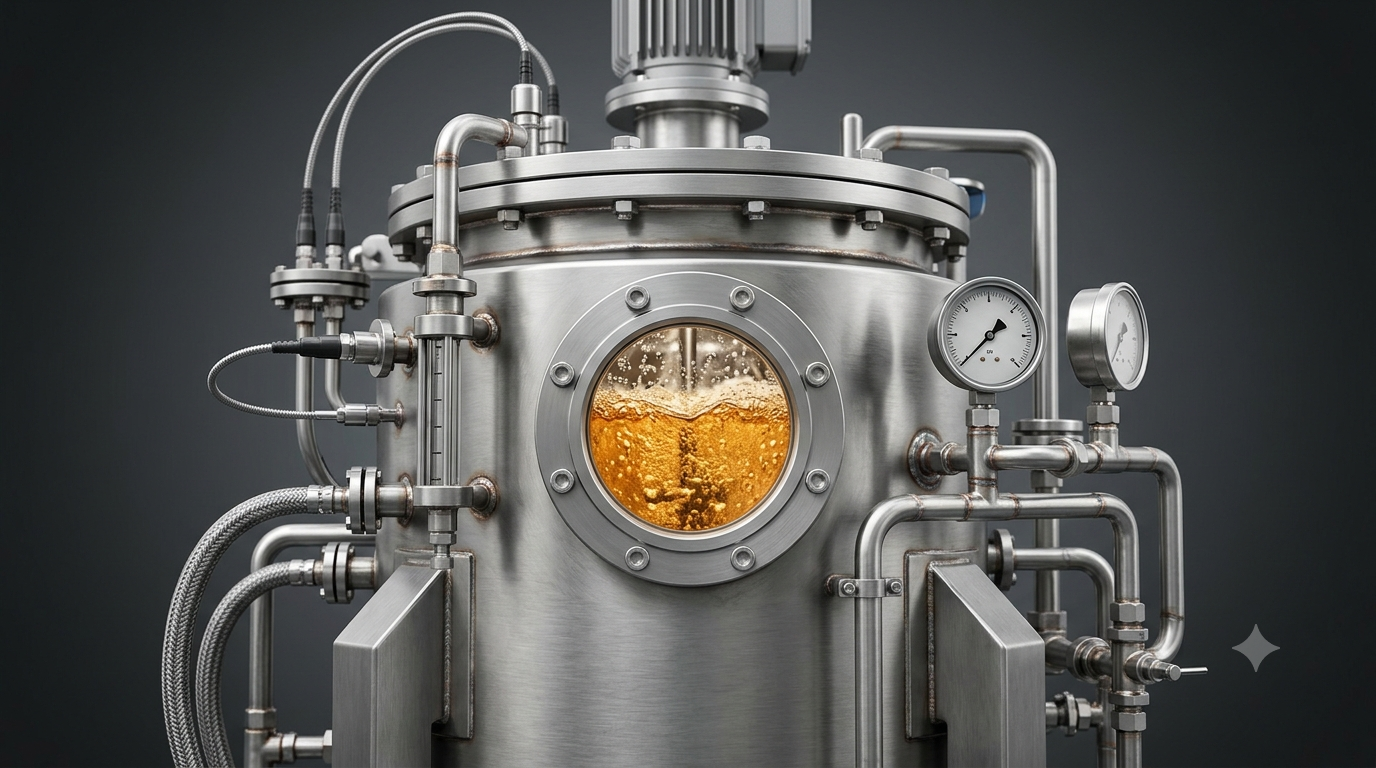
For the fertilizer industry, recovered metals could eventually become an alternative feedstock for producing micronutrient fertilizers such as zinc, manganese, iron, and copper products. Although large-scale commercial adoption will depend on recovery economics and regulatory approval, the concept highlights a promising pathway toward more sustainable fertilizer production.
For fertilizer manufacturers, agrochemical companies, and procurement professionals, monitoring developments in metal recovery technologies may provide valuable insights into future raw material sourcing opportunities.
Why Micronutrients Matter
Unlike nitrogen, phosphorus, and potassium (NPK), micronutrients are required in smaller quantities but play an essential role in healthy crop development.
Common micronutrient fertilizers include:
Zinc Sulphate
Manganese Sulphate
Ferrous Sulphate
Copper Sulphate
Boron-based fertilizers
Chelated micronutrients
These products help improve crop growth, nutrient uptake, and overall agricultural productivity.
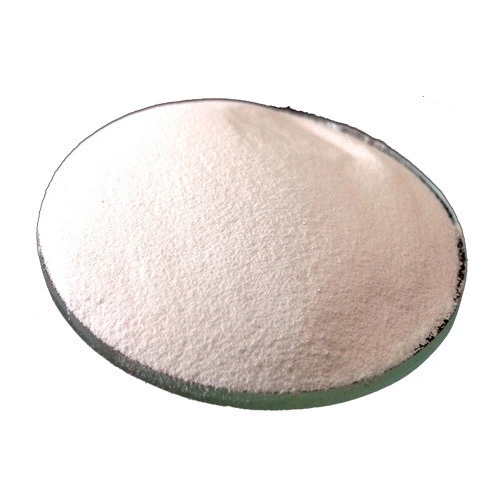
Recovered metals have the potential to support the production of essential micronutrient fertilizers such as Zinc Sulphate, Manganese Sulphate, Ferrous Sulphate, Copper Sulphate, and Borax. These products help address nutrient deficiencies in crops and support healthy plant growth across a wide range of agricultural applications.
Mining waste often contains recoverable metals that could potentially be reused instead of being discarded.
Potential advantages include:
Improved resource efficiency
Reduced dependence on virgin raw materials
Lower mining waste volumes
Support for circular economy initiatives
More sustainable raw material sourcing
Long-term supply diversification
Commercial viability will depend on technological advances, metal recovery costs, and market demand.
Procurement Considerations
Procurement professionals should monitor developments in recycled raw materials alongside traditional mining sources.
Key priorities include:
Supplier qualification
Material purity
Regulatory compliance
Product consistency
Cost competitiveness
Long-term supply availability
Recovered materials will need to meet the same quality and performance standards as conventionally sourced raw materials before widespread commercial adoption.
Looking Ahead
Circular economy initiatives are expected to play a growing role in the chemical and fertilizer industries. As recovery technologies become more efficient, mining waste could become an increasingly important secondary source of micronutrient raw materials, supporting both sustainability goals and supply chain resilience.
While conventional mining will remain the primary source of micronutrient metals in the near future, continued innovation in resource recovery could expand sourcing options for fertilizer manufacturers in the years ahead.
Key Takeaways
Mining waste contains valuable metals that may support future fertilizer production.
Recovered metals could become alternative feedstocks for micronutrient fertilizers.
Commercial adoption depends on recovery technology, economics, and regulatory approval.
Procurement teams should monitor recycled material developments alongside traditional supply.
Circular sourcing strategies may strengthen long-term fertilizer supply chains.