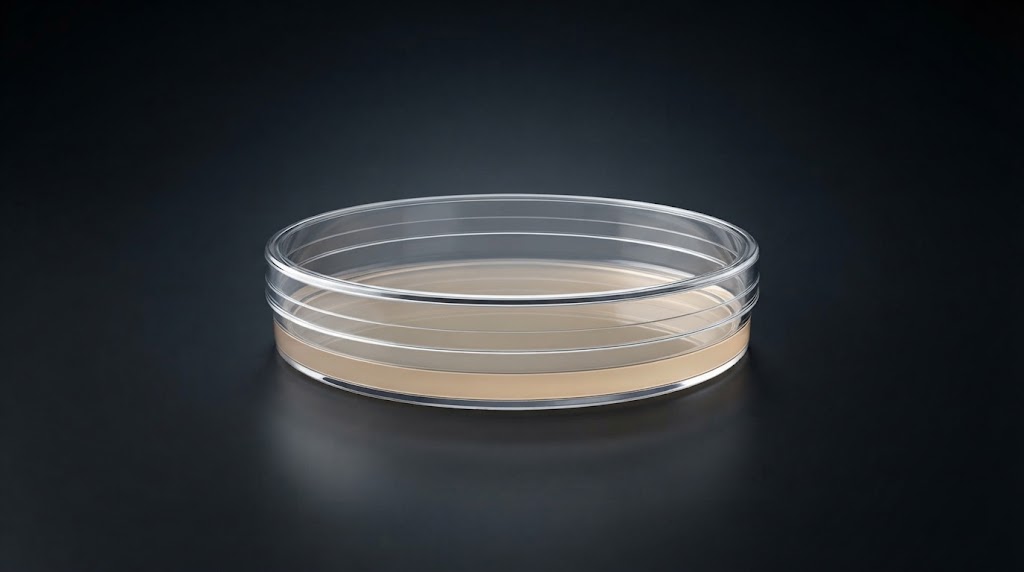
Mitsui Chemicals Launches InnoCell P-Type Culture Plate for Organoid Screening
Pharmaceutical researchers constantly seek better tools for drug discovery. Mitsui Chemicals recently addressed this need by launching the InnoCell P-Type culture plate for advanced organoid screening. This specialized labware directly tackles the limitations of traditional cell culture environments.
Organoids require highly specific conditions to mimic human tissue accurately. Standard plastic dishes often restrict oxygen flow and interfere with imaging. The new InnoCell P-Type platform solves these critical bottlenecks through advanced polymer engineering.
Procurement managers at biotech firms must evaluate how this technology impacts their laboratory supply chains. Upgrading to high-performance culture plates accelerates drug testing timelines significantly. This launch signals a broader industry shift toward specialized consumables in life science research.
Laboratory directors recognize that superior tools yield superior data. Investing in advanced screening platforms ultimately reduces overall research and development costs.
Engineering High Oxygen Permeability for Cell Growth
Organoids develop necrotic cores when oxygen cannot penetrate deep tissue layers. Traditional polystyrene dishes create a physical barrier that restricts gas exchange. Mitsui Chemicals engineered the InnoCell P-Type material to allow maximum oxygen transmission directly through the plate bottom.
This enhanced permeability keeps three-dimensional cell structures healthy and viable for longer periods. Researchers can now cultivate larger and more complex organoids without specialized bioreactors. The material innovation directly improves the viability, scalability and physiological relevance of the screening models.
Cellular metabolism generates significant waste products that require efficient removal. The specialized polymer structure facilitates rapid diffusion of carbon dioxide away from the tissue. This dual-action gas exchange mechanism perfectly mimics the natural capillary networks found in human organs.
Biotechnology firms utilizing these advanced plates report significantly higher success rates in long-term cultures. The extended lifespan of the organoids allows for chronic toxicity testing. This capability is absolutely crucial for evaluating the long-term safety profiles of new pharmaceutical compounds.
Overcoming Autofluorescence in High-Content Imaging
High-content imaging systems rely on precise fluorescent signals to track cellular responses. Standard laboratory plastics often emit background noise that obscures these delicate signals. The new culture plate features exceptionally low autofluorescence across multiple wavelength channels.
This optical clarity allows scientists to capture sharper and more accurate images of cellular behavior. Drug discovery teams can confidently identify subtle morphological changes in the organoids. Eliminating background interference drastically reduces false positives during early compound screening.
Modern automated microscopes capture thousands of images per experiment. Processing this massive volume of visual data requires pristine input quality from the culture vessel. The ultra-clear polymer ensures that algorithms can accurately segment and analyze individual cells.
Procurement professionals must recognize the hidden costs associated with poor imaging quality. Repeating failed imaging runs wastes expensive reagents and valuable researcher time. Sourcing optically superior labware provides a massive return on investment for high-throughput screening facilities.
Minimizing Drug Adsorption for Accurate Dosing
Hydrophobic compounds frequently stick to the walls of standard culture vessels. This unintended drug adsorption lowers the actual concentration reaching the cells. Mitsui Chemicals formulated the InnoCell P-Type surface to resist binding with small molecule therapeutics.
Maintaining precise drug concentrations is absolutely critical for generating reliable dose-response curves. Researchers now know exactly how much active pharmaceutical ingredient interacts with the tissue. This consistency prevents the costly failure of promising drug candidates later in clinical trials.
Many modern oncology drugs exhibit highly lipophilic properties. These compounds readily absorb into standard untreated plastics and completely disappear from the culture medium. The specialized surface treatment effectively blocks this absorption pathway and maintains therapeutic dosing levels.
Analytical chemists spend countless hours validating drug concentrations in complex biological matrices. Utilizing low-binding labware dramatically simplifies these rigorous analytical workflows. Procurement teams should prioritize these specialized plates to streamline downstream bioanalytical operations.
Supply Chain Implications for Laboratory Consumables
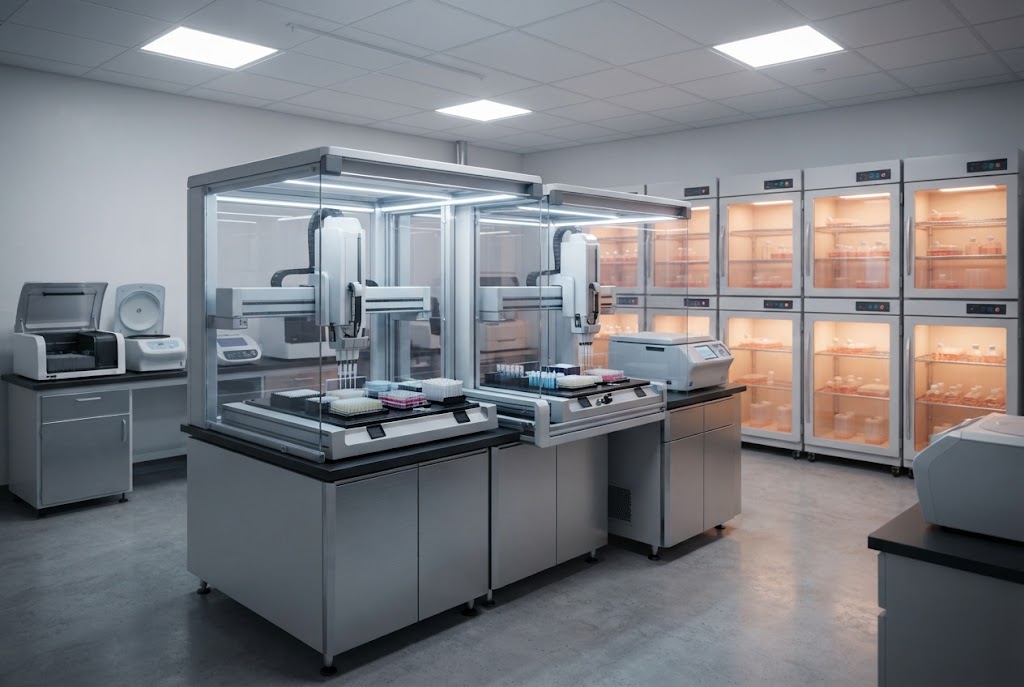
The introduction of advanced labware disrupts established procurement strategies for biotechnology companies. Buyers must secure reliable supply agreements for these specialized consumables to maintain research continuity. Mitsui Chemicals leverages its massive polymer production capacity to ensure stable global availability.
Procurement teams should evaluate the total cost of ownership rather than just the unit price. High-performance plates reduce the need for repeat experiments and save valuable researcher time. Securing long-term contracts for these advanced materials provides a distinct competitive advantage in drug development.
Global logistics networks face ongoing volatility that threatens consistent laboratory supply. Biotech companies must diversify their supplier base to mitigate these geopolitical and transit risks. Partnering with established chemical manufacturers guarantees priority access during periods of market disruption.
Inventory management protocols require careful adjustment when transitioning to premium labware. Buyers must balance the higher unit cost against the risk of stockouts in critical research pathways. Implementing automated reordering systems ensures that research teams never face delays due to missing consumables.
Essential Raw Materials for Advanced Labware Manufacturing
Manufacturing high-performance culture plates requires specialized chemical inputs and advanced polymers. The production process demands strict purity, rigorous testing and absolute consistency to prevent cellular toxicity. Chemical traders play a vital role in supplying the foundational materials for this growing market segment.
General-Purpose Polystyrene (GPPS) forms the structural foundation for many rigid laboratory vessels. Manufacturers require ultra-clear grades with minimal residual monomers to ensure optical clarity.
Polyethylene Terephthalate (PET) provides excellent chemical resistance and mechanical strength for specialized microplates. Sourcing medical-grade resins guarantees the absence of harmful leachable compounds.
Refined Glycerine 99.7% Min USP BP serves as a critical excipient and cryoprotectant in downstream cell processing. Procurement teams must verify pharmacopeial compliance for all glycerin used in biopharma workflows.
Polyacrylamide is essential for creating hydrogel matrices that support three-dimensional organoid growth. High-purity monomers prevent unwanted cross-linking and ensure consistent gel stiffness.
Acrylic Acid derivatives enable the creation of specialized surface coatings that promote cell adhesion. Suppliers must provide stringent certificates of analysis to verify the exact molecular weight distributions.
The quality of the final culture plate depends entirely on the purity of these raw inputs. Trace impurities can trigger unwanted cellular stress responses and ruin expensive experiments. Chemical distributors must maintain rigorous quality control protocols to serve the demanding biopharma sector.
Regulatory and Compliance Landscape for Bioplastics
Medical device regulators closely scrutinize the materials used in cell culture and diagnostic applications. Manufacturers must submit extensive biocompatibility data to gain approval for new polymer formulations. Mitsui Chemicals navigated this complex regulatory environment to bring the InnoCell P-Type to market.
Compliance documentation requires comprehensive traceability from the raw chemical supplier to the finished product. Procurement managers must demand full supply chain transparency from their labware vendors. This documentation ensures that any future quality deviations can be rapidly investigated and resolved.
Environmental regulations also increasingly impact the production of single-use laboratory plastics. Governments worldwide are pushing for more sustainable manufacturing practices and recyclable materials. Chemical suppliers are actively researching bio-based alternatives to traditional petroleum-derived polymers.
Biotech companies must align their procurement strategies with these evolving environmental mandates. Sourcing labware from manufacturers with strong sustainability credentials enhances corporate social responsibility profiles. This proactive approach prepares organizations for future regulatory shifts regarding plastic waste management.
The Bottom Line for Biotech Procurement Teams
The launch of the InnoCell P-Type plate represents a significant leap forward for organoid research. Biotech companies must integrate these advanced tools to remain competitive in the race for novel therapeutics. Procurement leaders play a vital role in facilitating this technological transition.
Buyers should actively engage with specialty chemical distributors to secure early access to these innovative products. Building strong relationships with polymer manufacturers ensures priority allocation during supply shortages. Adapting your sourcing strategy to accommodate next-generation labware directly accelerates your pipeline.
The transition to high-performance screening platforms requires careful planning and cross-departmental collaboration. Procurement professionals must work closely with laboratory directors to understand their precise technical requirements. This alignment ensures that purchasing decisions directly support the overarching scientific objectives of the organization.
Ready to source General-Purpose Polystyrene (GPPS) from verified global suppliers? Explore competitive offers on our platform today.
Source:
https://chemxplore.com/news/innocell-p-type-oxygen-permeable-plates
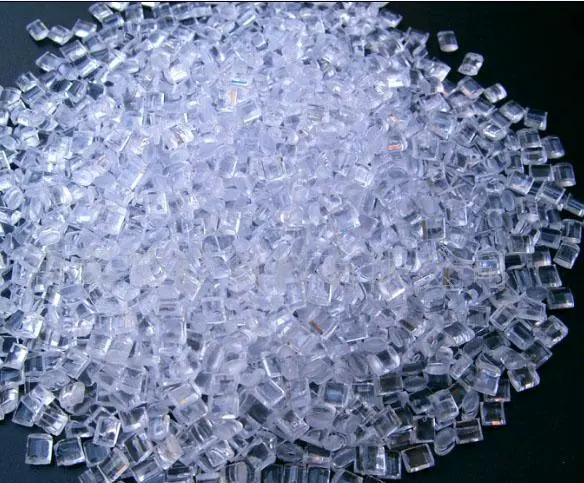
General-Purpose Polystyrene (GPPS)
Found this useful?