Modified Atmosphere Packaging: Choosing the Right Gas for Food
Modified atmosphere packaging (MAP) helps food manufacturers protect product quality during storage, transportation and distribution. By replacing the air inside a sealed package with a carefully selected gas mixture, manufacturers can slow spoilage, maintain appearance and extend the usable shelf life of many foods.
The right gas composition depends on the food category, moisture content, oxidation risk and storage conditions. Carbon dioxide, nitrogen and oxygen each perform different functions, making gas selection an important consideration for food processors, chemical traders, importers and procurement managers.
Understanding these differences helps buyers evaluate suppliers, specify suitable food-grade gases and maintain consistent packaging performance across the supply chain.
What Is Modified Atmosphere Packaging?
Modified atmosphere packaging involves changing the gas composition surrounding food before sealing the package. Manufacturers commonly use carbon dioxide, nitrogen and oxygen in different proportions according to the product's preservation requirements.
Carbon Dioxide for Microbial Control
Carbon dioxide (CO₂) helps inhibit many spoilage microorganisms. It is widely used for perishable foods such as meat, seafood and selected dairy products.
However, excessive concentrations may affect flavour, increase liquid loss or cause flexible packaging to collapse. Manufacturers must balance microbial control with product quality.
Nitrogen for Oxidation Protection
Nitrogen (N₂) is an inert gas that displaces oxygen and helps reduce oxidation. It also provides cushioning inside packages, making it useful for crisps, nuts and other fragile snack products.
Oxygen for Colour and Product Quality
Oxygen (O₂) supports certain packaging applications, particularly fresh red meat, where it helps maintain the bright red colour consumers expect. However, oxygen can accelerate oxidation in fatty foods, so manufacturers must carefully control its concentration.
MAP does not sterilise food or replace refrigeration. Appropriate hygiene, temperature control and packaging integrity remain essential for food safety.
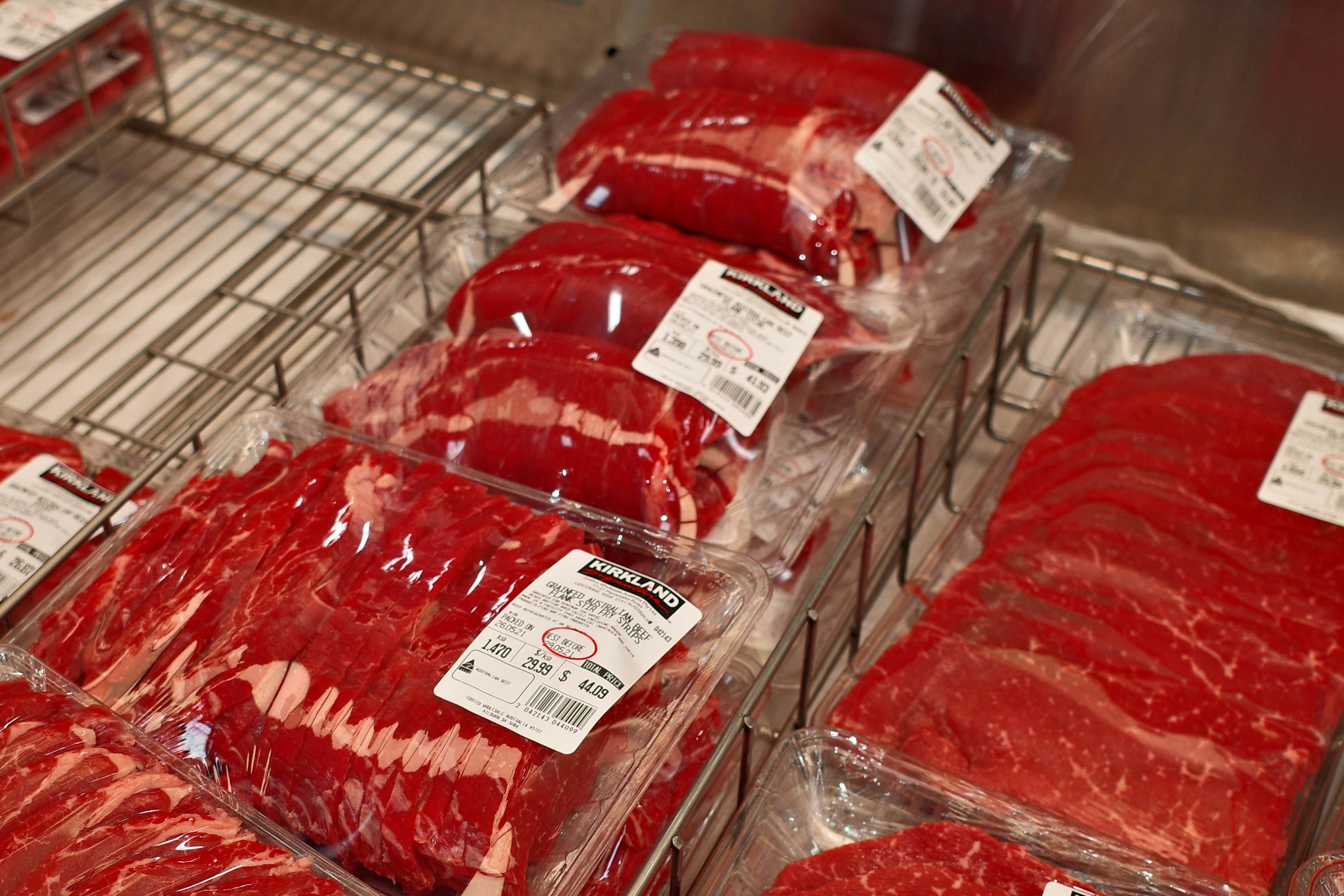
Gas Selection for Meat and Poultry Packaging
Meat products require different gas mixtures depending on their composition, processing method and desired appearance. Fresh red meat, poultry and processed meats therefore need separate assessments rather than one standard formulation.
Fresh Red Meat
Fresh beef and other red meats often use oxygen-rich atmospheres to preserve their bright red appearance. Carbon dioxide can complement oxygen by helping suppress spoilage microorganisms, although the appropriate mixture depends on the product and storage conditions.
Poultry and Processed Meat
Poultry packaging commonly uses carbon dioxide and nitrogen to help manage spoilage while limiting unnecessary oxygen exposure. This approach can also reduce oxidation concerns in products containing fat.
Cooked, cured and processed meats may benefit from similar gas combinations. Manufacturers must balance microbial control with flavour retention, package appearance and the risk of excessive package shrinkage.
Procurement teams should consider:
Whether the product is raw, cooked, cured or processed.
The required colour and appearance throughout the intended shelf life.
Fat content, moisture level and sensitivity to oxidation.
Storage temperatures and packaging film compatibility.
Modified Atmosphere Packaging for Fish and Seafood
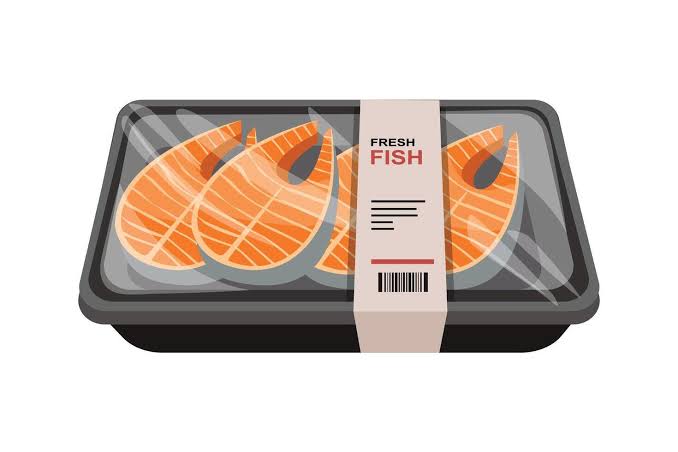
Fish and seafood can deteriorate rapidly under unsuitable storage conditions. Carbon dioxide helps slow bacterial spoilage, while nitrogen serves as a filler gas and oxygen may suit selected applications.
Gas Mixtures for Different Seafood Types
Lean fish, shellfish and other seafood products may require combinations of carbon dioxide and nitrogen, with oxygen included where the product and process justify its use. Fatty fish such as salmon, herring and mackerel need particular attention to oxidation because it can affect flavour and quality.
Higher carbon dioxide concentrations can improve microbial control in suitable applications. However, excessive levels may increase drip loss, cause package collapse or create unwanted acidic flavours.
Procurement Considerations for Seafood
Buyers should work with qualified gas suppliers and packaging manufacturers to confirm the appropriate formulation. Gas purity, delivery reliability, packaging compatibility and production-line performance all influence the suitability of a supply arrangement.
MAP Gas Selection for Bakery and Dairy Products
Bakery and dairy products have different preservation requirements because their moisture content, texture and susceptibility to microbial growth vary considerably. The correct gas mixture helps maintain product quality while supporting the manufacturer's intended storage period.
Bakery Products and Fresh Pasta
Bakery products often use carbon dioxide and nitrogen to reduce oxygen exposure and help control mould growth. Soft bread, filled sandwiches and moist baked goods may require different formulations because their moisture levels and microbial risks differ.
Fresh pasta can also benefit from carbon dioxide and nitrogen mixtures. However, its moisture content makes hygiene, refrigeration and validated shelf-life controls essential.
Cheese and Other Dairy Products
Carbon dioxide can help control spoilage in suitable cheese varieties, while nitrogen reduces oxygen exposure and helps maintain package volume. Manufacturers must consider cheese texture, moisture content and ripening characteristics when selecting a formulation.
Procurement teams should identify whether a product needs refrigeration, contains fillings or has exposed surfaces. These details help determine whether a standard gas blend is appropriate or whether product-specific testing is necessary.
MAP Gas Requirements for Fresh Produce and Dry Foods
Fresh produce and dry foods need different packaging strategies. Produce continues to respire after harvesting, while many dry products primarily need protection against oxidation and physical damage.
Fresh Fruits and Vegetables
Fresh fruits and vegetables consume oxygen and release carbon dioxide through respiration. MAP therefore requires a carefully controlled atmosphere that slows deterioration without creating conditions that encourage fermentation or unwanted flavours.
Common applications include:
Leafy salads: Controlled oxygen and carbon dioxide levels help preserve freshness, especially in washed and cut products.
Fresh-cut fruits: Gas composition must account for respiration rates and the risk of oxygen depletion.
Whole fruits and vegetables: Packaging permeability must match the produce's respiration characteristics.
Packaging film is particularly important because it regulates gas exchange. Buyers should assess film permeability alongside the gas formulation rather than treating these as separate decisions.
Crisps, Nuts and Other Dry Foods
Nitrogen is especially useful for crisps, roasted nuts and other oxidation-sensitive snack products. It displaces oxygen and helps cushion fragile foods during transportation and handling.
Coffee and other products sensitive to oxygen exposure can also benefit from nitrogen flushing. Suitable barrier materials and reliable seals remain essential for maintaining quality throughout storage.
Food-Grade Gas Procurement and Quality Control
Selecting a suitable gas mixture is only one part of a successful MAP strategy. Buyers must also confirm product specifications, supplier documentation, delivery capacity and consistency between deliveries.
Essential Supplier Checks
Before approving a supplier, procurement teams should review several factors:
Food-grade specifications: Confirm that gases meet the purity requirements and applicable standards for the intended use.
Blend accuracy: Verify the agreed gas composition and the supplier's ability to maintain consistent quality.
Documentation: Request relevant product specifications and certificates of analysis.
Supply reliability: Evaluate lead times, refill arrangements and contingency plans for interruptions.
Technical support: Prioritise suppliers who can help resolve filling problems and packaging compatibility issues.
Compare Total Operating Costs
The lowest quoted price does not always provide the best purchasing outcome. Buyers should also consider gas consumption, packaging waste, rejected products, delivery costs and equipment efficiency.
For importers and exporters, consistent documentation and dependable logistics can help reduce disruptions across international supply chains. Confirm applicable requirements for the gas, transport arrangements and destination market before committing to recurring purchases.
MAP Safety and Regulatory Requirements
Modified atmosphere packaging can extend shelf life, but it does not guarantee food safety. Some harmful microorganisms can grow under low-oxygen conditions, so manufacturers must validate shelf life and maintain suitable temperature controls.
Safe Gas Storage and Handling
Carbon dioxide can accumulate in poorly ventilated spaces, while nitrogen can displace oxygen and create an asphyxiation hazard without obvious warning signs. Appropriate ventilation, suitable monitoring systems, safe storage practices and employee training are important parts of operational risk management.
Documentation for International Trade
Food manufacturers and packaging suppliers should verify the relevant food safety and gas-handling requirements in each destination market. Buyers should also confirm cylinder or tank specifications, transport documentation and quality records before arranging deliveries.
What Procurement Teams Should Prioritise
The most effective modified atmosphere packaging strategy starts with the food's specific preservation requirements. Meat, seafood, bakery products, fresh produce and dry snacks each need an appropriate balance of gas composition, packaging performance and storage conditions.
Three Steps to Better Gas Sourcing
Define the application: Identify the food category, oxidation risks, microbial concerns and intended shelf life before requesting supplier quotations.
Validate the packaging system: Confirm that the gas mixture, film permeability, seal performance and storage conditions work together.
Build a reliable supply network: Compare qualified suppliers based on specifications, documentation, delivery reliability and total operating costs.
As food manufacturers continue to seek better shelf-life performance and more efficient distribution, application-specific packaging gases remain important to the food supply chain. Buyers who understand gas selection can communicate requirements clearly, minimise avoidable packaging problems and make more informed purchasing decisions.
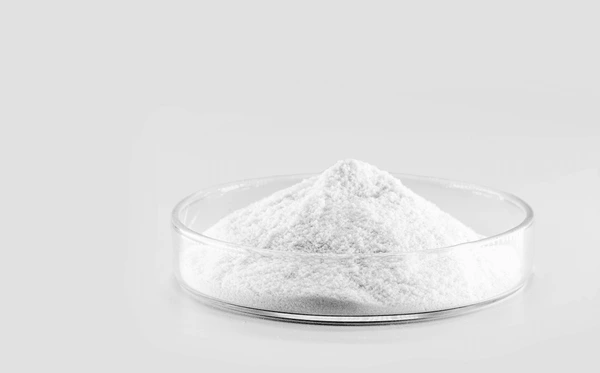
Sodium Bicarbonate Food Grade (E500(ii))
Found this useful?