
Modified Cellulose Gums Gaining Ground in Clean-Label Reformulation
Modified cellulose gums are gaining ground in food reformulation as manufacturers reassess traditional stabilizers and look for dependable ways to manage texture, viscosity and water in finished products. Cellulose derivatives already serve established roles across food and beverage applications, but procurement teams now increasingly evaluate them as part of broader reformulation programs.
The shift does not simply involve replacing one additive with another. Product developers must preserve functionality while meeting changing consumer expectations around ingredient lists, processing and product positioning.
For chemical traders, importers and ingredient buyers, this creates a growing sourcing category. The opportunity lies in matching the right cellulose derivative and grade to the formulation rather than treating modified cellulose as a generic commodity.
Why Modified Cellulose Gums Are Gaining Attention
Modified cellulose gums originate from cellulose, a structural carbohydrate found in plant cell walls. Chemical modification gives the resulting materials functional properties that differ from native cellulose, allowing manufacturers to use them for thickening, stabilization, water retention and other formulation functions.
Sodium carboxymethyl cellulose, commonly known as cellulose gum or CMC, is one of the most established examples. It can provide viscosity and stabilization across applications ranging from beverages and dairy products to sauces, bakery products and processed foods.
The commercial attraction comes from controllable performance. Manufacturers can select different grades according to viscosity, concentration, processing conditions and finished-product requirements.
Clean-Label Reformulation Is More Complex Than Ingredient Substitution
Clean-label reformulation does not have one universal technical definition. Different manufacturers and markets may use the term to describe simpler ingredient statements, recognizable ingredients or the removal of specific additives.
That creates an important distinction for procurement teams. A cellulose derivative may support a particular reformulation objective, but its suitability depends on how the manufacturer defines clean label and how the target market views the ingredient.
Before sourcing begins, teams should establish the actual objective:
Replace a specific synthetic stabilizer.
Simplify the formulation.
Improve consumer perception.
Maintain or improve texture.
Reduce the number of functional ingredients.
Improve supply availability.
Maintain performance while changing the ingredient declaration.
Clear objectives prevent procurement teams from selecting materials based solely on marketing terminology.
Functional Performance Is Driving the Replacement Trend
The strongest case for modified cellulose comes from its functional versatility. Depending on the grade and application, cellulose gums can increase viscosity, bind water and contribute to physical stability.
This makes them useful in formulations where manufacturers need to control consistency without relying entirely on conventional stabilizer systems.
Potential applications include:
Plant-based beverages: Cellulose derivatives can contribute to viscosity and help manage the physical stability of formulations containing proteins, fats and suspended components.
Sauces and dressings: They can support thickness and consistency while helping maintain a stable product structure.
Bakery products: Certain cellulose derivatives can contribute to water management and texture.
Frozen foods: Functional cellulose can help influence texture and water behavior during freezing and thawing.
Dairy alternatives: They can form part of multi-hydrocolloid systems designed to manage mouthfeel and suspension.
Performance depends heavily on grade and formulation conditions. Buyers should therefore request application-specific technical data rather than comparing products solely by chemical name.
Not All Modified Cellulose Grades Perform the Same Way
One of the biggest sourcing mistakes is treating all cellulose derivatives as interchangeable. Chemical modification, substitution level, viscosity grade and particle characteristics can influence hydration and performance.
A procurement specification should therefore provide enough technical detail for suppliers to identify an appropriate grade.
Important parameters can include:
Viscosity range and test method.
Degree of substitution.
Moisture content.
Purity.
Particle size.
pH characteristics.
Hydration behavior.
Food-grade compliance.
Packaging requirements.
The exact specification should reflect the manufacturer's formulation and testing protocol. A grade optimized for a beverage may not deliver the desired performance in a bakery or sauce application.
Reformulation Teams Should Start With the Stabilizer's Job
Replacing an incumbent stabilizer becomes easier when R&D teams first define its role. A material may appear on a formulation sheet as a thickener, but its actual contribution could include water binding, suspension, texture control or processing stability.
Procurement and technical teams should map these functions before approaching suppliers.
A practical workflow looks like this:
Document the existing formulation: Record the incumbent stabilizer, dosage and processing conditions.
Define performance targets: Establish viscosity, texture, stability and shelf-life requirements.
Select candidate cellulose grades: Request samples from multiple qualified suppliers.
Conduct laboratory screening: Compare hydration and rheological behavior.
Run pilot trials: Confirm performance under commercial processing conditions.
Validate finished products: Test shelf life, sensory characteristics and stability.
Approve commercial sources: Maintain qualified suppliers for ongoing production.
This approach reduces the risk of selecting a material that performs well in isolation but fails within the complete formulation.

Cost-in-Use Matters More Than the Quoted Price
Modified cellulose can appear expensive compared with bulk starches or some conventional stabilizers when buyers compare price per kilogram alone. That comparison can be misleading.
The correct metric is cost-in-use, which considers dosage and the final cost contribution to the finished product.
A higher-priced grade may require less material to achieve the required viscosity or stabilization. It could also reduce the need for additional ingredients, offsetting part of the purchase-price difference.
Procurement teams should evaluate:
Price per kilogram.
Recommended and actual dosage.
Cost per finished tonne.
Number of supporting ingredients required.
Processing efficiency.
Waste and rework.
Shelf-life performance.
Packaging and handling costs.
This gives buyers a more accurate picture of commercial competitiveness.
Supply Diversification Is Becoming More Important
Reformulation creates a second procurement challenge. Once a manufacturer approves a new cellulose grade, it needs confidence that the material will remain available at the required volume and specification.
A single-source strategy can expose production to unexpected supply interruptions. Qualified secondary suppliers can reduce that risk and provide additional leverage during contract negotiations.
Supplier evaluations should cover:
Manufacturing location.
Production capacity.
Raw material sourcing.
Quality control systems.
Batch consistency.
Export capabilities.
Minimum order quantities.
Lead times.
Technical support.
Geographic diversification can provide additional protection, particularly for manufacturers that import large volumes or operate production sites across multiple regions.
Why Specification Matching Matters for Traders
Modified cellulose is a category where technical matching can create significant value for traders. A buyer may request CMC but still need a specific viscosity range, purity level or application grade.
A generic product offer does not provide enough information to support an efficient sourcing decision.
Experienced traders can narrow supplier options by matching the buyer's formulation requirements with available grades. They can also coordinate samples, documentation and commercial quotations from different origins.
For importers and exporters, this creates an opportunity to move beyond transactional selling. Technical product matching can become a differentiator in a crowded ingredient market.
Regulatory Compliance Remains Part of Supplier Qualification
A reformulation cannot succeed if the replacement ingredient fails regulatory or documentation requirements in the destination market.
Food manufacturers should verify that the selected cellulose derivative is permitted for the intended application and that supplier documentation supports the required food-grade specification.
Procurement teams should request current technical and compliance documents during the qualification stage. Typical documentation may include product specifications, certificates of analysis, allergen statements and other market-specific information.
This process becomes especially important for international manufacturers. An ingredient that fits the technical formulation may still require additional regulatory review when the finished product enters a new jurisdiction.
Clean-Label Positioning Requires Procurement and Marketing Alignment
Procurement teams should not make clean-label decisions in isolation. Marketing teams, regulatory specialists and R&D groups may interpret the same ingredient differently.
A cellulose-derived stabilizer may meet a manufacturer's technical objective while failing to satisfy a particular retailer or consumer-facing definition of clean label.
The commercial strategy should therefore define what the reformulation is intended to achieve before purchasing decisions begin.
This prevents a common problem: replacing an ingredient successfully from a technical perspective but creating a new challenge in product positioning.
Cellulose Can Work Within Blended Stabilizer Systems
Manufacturers should not assume that every reformulation requires a one-for-one replacement. In many food systems, combining functional ingredients can produce better performance than relying on one stabilizer.
Modified cellulose can work alongside other hydrocolloids, starches and formulation aids depending on the application. The right combination can improve texture, suspension and water management while controlling total dosage.
For procurement teams, this changes the sourcing model. Instead of looking for a single replacement ingredient, buyers may need to source a functional system made from several compatible materials.
This can create additional commercial complexity, but it can also improve formulation flexibility.
How Dairy Alternative Manufacturers Can Use Cellulose
Dairy alternative producers face strong pressure to balance clean-label expectations with technical performance. Plant-based beverages contain complex combinations of proteins, oils, minerals and other components that can separate or settle without appropriate stabilization.
Modified cellulose can contribute to viscosity and water management within these systems. Its performance can improve further when formulators combine it with other hydrocolloids selected for suspension or texture.
However, the formulation must undergo application testing. Beverage manufacturers should assess separation, sedimentation, viscosity, mouthfeel and shelf-life rather than relying solely on laboratory viscosity measurements.
Procurement Forecasting Should Include Reformulation Demand
The rise of reformulation creates a new type of demand signal for cellulose suppliers. Consumption can increase not only because existing applications grow but also because manufacturers replace other stabilizers.
Procurement teams should monitor both sources of demand when forecasting requirements.
For traders, this creates an opportunity to build inventory around confirmed reformulation programs rather than relying only on historical purchasing patterns. Early visibility into product development can help suppliers prepare suitable grades and shipment volumes.
Manufacturers can also benefit from early engagement. Discussing expected demand with suppliers before a formulation reaches commercial scale can improve availability and reduce last-minute sourcing pressure.
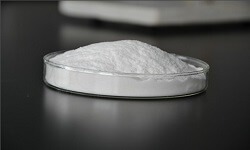
Sodium Carboxyl Methyl Cellulose
Found this useful?