MOL Group Opens 37.4 MWp Solar Park and 40 MWh Battery Storage at Algyo, Hungary
MOL Group Opens 37.4 MWp Solar Park and 40 MWh Battery Storage at Algyő, Hungary
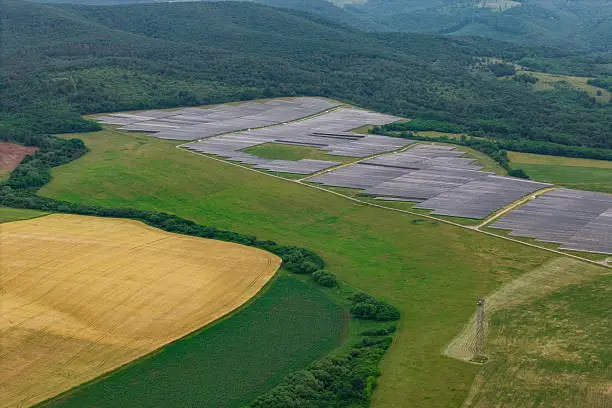
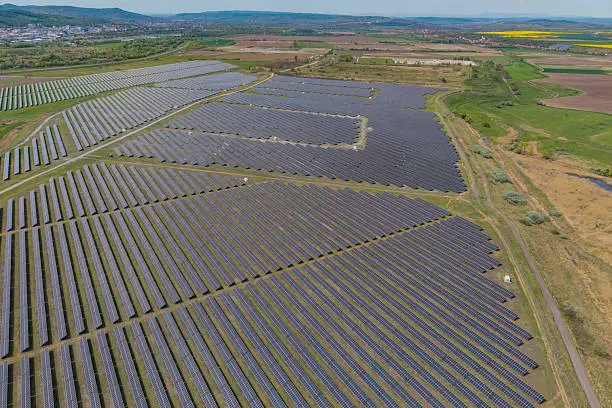
MOL Group has inaugurated a new 37.4 MWp solar power plant and a 40 MWh battery energy storage system at its Algyő site in Hungary, marking another step in the company’s expansion of renewable energy and energy storage capacity. The project combines solar generation with battery storage to improve energy independence, electricity flexibility and the resilience of MOL’s operations.
A Major Renewable Energy Project in Algyő
The new solar park has a capacity of 37.4 MWp, while the accompanying battery energy storage system has a nominal power output of 20 MW and a storage capacity of 40 MWh. Together with existing power plants at the Algyő site, the new facility is capable of covering the electricity demand of MOL’s operations in the region.
The solar plant is expected to generate an amount of electricity equivalent to the annual consumption of approximately 22,500 households in Hungary’s Csongrád-Csanád County. This highlights the scale of the installation and its potential contribution to reducing reliance on externally purchased electricity.
Battery Storage Adds Flexibility
A key feature of the project is the integration of battery energy storage alongside solar generation. Solar power production varies throughout the day and depends on weather conditions. Battery storage can help manage these fluctuations by storing electricity when generation is available and supplying electricity when it is needed.
The 20 MW/40 MWh battery system is also designed to support grid stability by helping balance fluctuations associated with weather-dependent renewable energy. According to MOL, the amount of electricity that the system can store and feed back corresponds to the annual electricity consumption of approximately 7,300 average households in Csongrád-Csanád County.
This combination of renewable generation and storage reflects a broader shift in the energy sector: adding renewable capacity is increasingly being accompanied by investments in technologies that can make renewable electricity more flexible and usable.
Reducing Emissions and Increasing Energy Independence
MOL expects the Algyő project to reduce CO₂ emissions by approximately 13,000 tonnes per year. The solar facility will also reduce the site's dependence on externally purchased electricity, supporting greater energy independence for MOL’s operations.
For an industrial company with significant electricity requirements, generating renewable power close to its operations can provide both environmental and operational benefits. The project allows MOL to use more electricity generated from its own renewable assets while the battery system provides additional flexibility in managing electricity supply.
Expanding MOL’s Renewable Energy Portfolio
The Algyő project forms part of MOL Group’s wider renewable energy strategy. Following the commissioning of the new facility, MOL operates nine solar parks in Hungary with a combined capacity of approximately 405 MW. The company’s total energy storage capacity has also reached 80 MWh.
MOL has identified renewable energy and energy storage as important components of its long-term SHAPE TOMORROW strategy. Its investment plans include expanding renewable electricity generation while developing storage capacity to address the variability of solar and other weather-dependent energy sources.
Why the Project Matters for Hungary’s Energy Transition
The Algyő development demonstrates how large industrial sites can combine renewable generation with energy storage. Rather than relying only on solar generation, the project incorporates a battery system that can help manage differences between electricity production and consumption.
This approach is becoming increasingly relevant as countries expand solar and wind capacity. Renewable electricity can reduce dependence on conventional energy sources, while storage technologies can help address fluctuations in generation and demand.
For Hungary, projects such as the Algyő solar park contribute to the expansion of domestic renewable electricity capacity while supporting the energy needs of a major industrial operation.
Looking Ahead
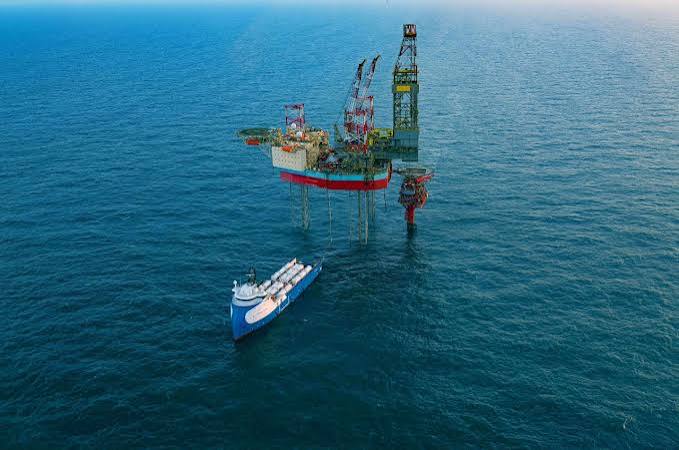
MOL Group’s Algyő project represents a broader transformation of the site. Algyő has historically been an important oil and gas production location, but its role is gradually expanding to include renewable energy generation and electricity storage. MOL has described this transition as part of its effort to combine energy security, sustainability and economic efficiency.
The 37.4 MWp solar park and 40 MWh battery storage system therefore go beyond the addition of new renewable capacity. They demonstrate how solar power and energy storage can work together to support industrial energy demand, improve electricity flexibility and reduce emissions.
As MOL continues expanding its renewable portfolio, the Algyő facility provides an example of how traditional energy companies are incorporating renewable generation and storage into their operations as the European energy system evolves.

Bleaching Earth
Found this useful?