Molecular Coatings Enable Light-Switchable Explosive Stability for Advanced Materials
Researchers have demonstrated a molecular coating that can alter the stability of a common explosive according to the light source applied to it. The finding moves molecular coatings beyond their conventional role as protective or functional surface layers and into the area of responsive materials.
For chemical traders, specialty-material suppliers and procurement teams, the research highlights an emerging category where coatings can actively influence the behaviour of an underlying material. The concept could eventually support more sophisticated approaches to material handling, storage and controlled response, although practical industrial adoption will depend on safety validation, scalability and regulatory requirements.
From Protective Layers to Responsive Molecular Coatings
Traditional coatings generally protect a substrate from moisture, corrosion, heat, abrasion or chemical exposure. Researchers are increasingly exploring a different concept, where the coating itself responds to an external stimulus and changes the properties of the material beneath it.
Light offers an attractive trigger because it can be applied remotely and controlled without direct mechanical contact. In the reported research, the molecular coating interacts with light in a way that changes the stability of the underlying energetic material.
The important materials-science advance lies in the responsive interface. Instead of treating a coating as an inert barrier, researchers can design molecular structures that respond to an environmental input and influence the behaviour of another material.
Why Light-Responsive Stability Matters
Energetic materials require particularly careful management because their stability can influence storage, transportation and handling requirements. A coating capable of responding to a defined external stimulus introduces another possible control layer around the material.
The research therefore has relevance beyond the specific laboratory demonstration. It points toward a broader class of stimuli-responsive materials, where chemical or physical properties change when the surrounding conditions change.
Potential areas of interest include:
Safety engineering: Responsive coatings could eventually contribute to systems designed to alter material behaviour under controlled environmental conditions.
Specialty materials: Coatings that react predictably to light could become part of advanced material platforms with functions beyond conventional protection.
Defense applications: The ability to influence material stability remotely could attract interest in specialized defense-related materials research.
Industrial handling: Responsive interfaces could eventually support additional monitoring or control mechanisms for sensitive materials.
These possibilities remain dependent on further research. The commercial opportunity today is primarily in understanding the underlying coating technology and the specialty chemicals required to manufacture reliable responsive materials.
The Molecular Interface Is the Key Innovation
The most significant feature of the research is not simply the use of light. It is the ability to engineer a molecular coating so that an external stimulus produces a predictable change at the material interface.
This approach reflects a broader movement in advanced coatings. Researchers increasingly want surfaces that do more than isolate one material from another. They are developing interfaces that can respond to light, temperature, pressure, electrical conditions or chemical environments.
For specialty chemical suppliers, this trend could create demand for increasingly precise functional molecules. Consistency becomes particularly important because a responsive coating must deliver predictable behaviour across the treated surface.
Procurement teams evaluating this field should therefore pay attention to:
Molecular purity and batch consistency.
Coating uniformity and substrate compatibility.
Stability during transportation and storage.
Reproducibility under controlled environmental conditions.
Supplier capability for small-scale research quantities and eventual scale-up.
What the Research Means for Specialty Chemical Supply Chains
A transition from conventional coatings to molecularly engineered interfaces can change the procurement profile of the materials involved. Buyers may need smaller quantities of highly specialized chemicals rather than large volumes of commodity coating ingredients.
That shift can increase the importance of technical qualification. A supplier offering the lowest nominal price may not provide the consistency, documentation or technical support required for advanced research applications.
For chemical traders, this creates an opportunity to connect specialty-material producers with research organizations that need reliable access to functional coating components. The market may initially remain niche, but high-value applications can justify stronger technical and commercial relationships.

Safety Could Become a Major Commercial Driver
One of the most important implications of responsive coating research is the potential connection between advanced materials science and safety engineering.
Conventional safety strategies often rely on physical barriers, controlled temperatures, packaging systems and established handling procedures. Responsive coatings could eventually complement these approaches by adding a molecular layer capable of reacting to an external condition.
However, safety applications demand exceptionally high reliability. Any commercial development would need to demonstrate that the coating performs consistently without creating unexpected interactions with the underlying material.
This creates a demanding qualification pathway for suppliers. Buyers would likely place strong emphasis on technical documentation, traceability, quality management and controlled manufacturing conditions.
Procurement Challenges for Emerging Coating Technologies
Emerging molecular coating technologies present a different sourcing challenge from established industrial chemicals. The buyer may not simply need a material with a standard specification. They may need a material that performs consistently within a particular research system.
Several procurement issues can therefore become important:
Specification control: Small changes in molecular composition or purity can affect performance in advanced coating systems.
Supplier continuity: Research programs can depend on repeat access to the same material over an extended development period.
Scale-up capability: A material that works at laboratory scale may require a different manufacturing approach when demand increases.
Documentation: Buyers may require detailed technical and safety documentation before introducing a specialty chemical into a controlled research environment.
Regulatory review: Materials associated with energetic applications can face additional regulatory and transportation considerations depending on jurisdiction and end use.
These requirements favor suppliers with strong technical capabilities rather than purely transactional trading models.
A Wider Trend Toward Stimuli-Responsive Materials
The research fits into a wider movement toward materials that respond dynamically to their surroundings. Scientists are investigating surfaces and polymers that change properties when exposed to specific physical or chemical triggers.
Light-responsive systems are particularly interesting because optical stimulation can provide precise external control without direct contact. That characteristic has already made photochemical approaches relevant to areas such as advanced polymers, sensors, medical materials and surface engineering.
The explosive-stability research demonstrates how the same underlying materials philosophy can be applied to much more sensitive systems. It also shows why molecular coatings are becoming an important area for specialty chemical research.
For suppliers, the broader opportunity may therefore extend beyond energetic materials. Functional molecules developed for one responsive-coating application can potentially contribute to other advanced material platforms.
What Buyers Should Watch Through 2027
Commercial adoption will depend on whether researchers can move from an intriguing laboratory effect toward repeatable, scalable and safely controllable material systems.
Procurement teams should monitor several indicators:
New research involving light-responsive molecular coatings and interfaces.
Partnerships between specialty chemical producers and advanced-materials laboratories.
Improvements in coating consistency and manufacturing scalability.
Regulatory developments affecting responsive materials and energetic substances.
New applications for externally controlled material stability.
The strongest near-term opportunity may remain in research chemicals and specialty coating components rather than large-scale commodity demand. That makes technical relationships and early supplier qualification particularly valuable.
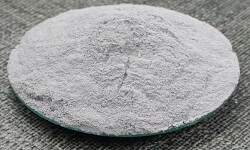
Fumed Silica
Found this useful?