N-Butanol: Industrial Uses, Properties and Safety Considerations
N-Butanol plays an important role in several industrial sectors because of its solvent characteristics and usefulness as a chemical intermediate. Manufacturers use this organic alcohol in coatings, surface treatments and chemical production processes where material compatibility and consistent performance matter.
Its industrial relevance extends beyond its direct use as a solvent. N-Butanol also serves as a starting material for producing other chemical compounds that support coatings, plasticizers and specialty manufacturing. Understanding its properties, applications and handling requirements helps industrial professionals evaluate its role in different production environments.
What Is N-Butanol and What Are Its Properties?
N-Butanol, also called 1-butanol or normal butanol, is a primary alcohol with the molecular formula C₄H₁₀O. It appears as a colourless liquid with a characteristic alcoholic odour and belongs to the family of four-carbon alcohols.
Its molecular structure contains a hydroxyl group attached to a straight four-carbon chain. This structure gives n-butanol a combination of properties that makes it useful in solvent formulations and chemical manufacturing.
Important Physical and Chemical Characteristics
Several characteristics influence how manufacturers use n-butanol in industrial applications:
Solvent properties: N-Butanol can dissolve or assist in processing various organic materials, making it useful in selected coating and formulation systems.
Boiling point: Its boiling point is approximately 117.7°C, influencing evaporation behaviour during industrial processing.
Water solubility: It has limited solubility in water, although it can mix with several organic solvents.
Chemical functionality: Its hydroxyl group allows it to participate in chemical reactions used to manufacture other industrial compounds.
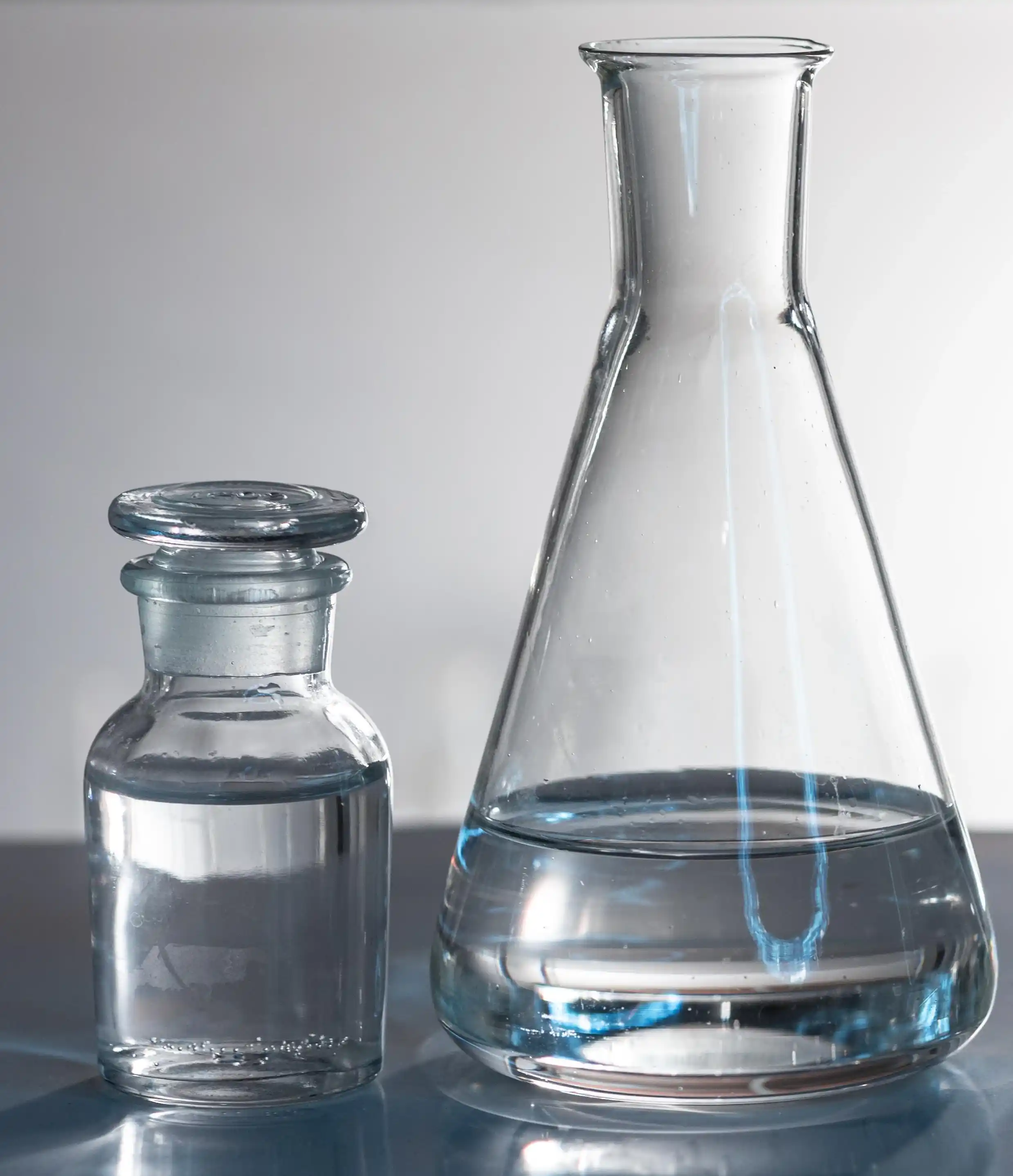
Physical appearance: Its clear, colourless appearance makes visual inspection relatively straightforward when evaluating material quality.
These characteristics help explain why manufacturers consider n-butanol for applications requiring particular solvent behaviour or chemical functionality.
Industrial Uses of N-Butanol in Solvent Applications
Solvent applications represent an important area of n-butanol consumption. Its ability to interact with different organic substances makes it relevant to industrial formulations where manufacturers need suitable solvent characteristics.
Coatings and Paint Formulations
Coatings manufacturers use n-butanol in selected formulations to influence solvent balance, application behaviour and film formation. Its compatibility with certain coating ingredients makes it useful in specialised industrial paint systems.
Depending on the formulation, it can contribute to:
Solvent balance in industrial coating mixtures.
Processing characteristics of selected resin systems.
Application consistency in certain paint formulations.
Compatibility with other organic formulation ingredients.
Manufacturers must consider the complete formulation rather than evaluating one solvent independently. Resin selection, other solvents, application conditions and drying requirements all influence final coating performance.
Printing Inks and Surface Treatments
Certain printing ink formulations use n-butanol as part of their solvent systems. Its characteristics can support formulation requirements involving ingredient compatibility and processing behaviour.
Industrial surface-treatment operations may also use formulations containing n-butanol where the chemical properties suit the intended application. However, manufacturers must evaluate material compatibility and workplace exposure requirements before introducing it into production.
N-Butanol in Chemical Manufacturing
Beyond direct solvent applications, n-butanol serves as an intermediate in manufacturing several commercially important chemical compounds.
Its alcohol functionality allows chemical manufacturers to transform it into derivatives with different physical and chemical characteristics. These derivatives serve industries including coatings, plastics and specialty chemicals.
Production of Butyl Acetate
One important derivative is n-butyl acetate, an organic ester used in solvent applications.
Chemical manufacturers produce butyl acetate through esterification involving butanol and acetic acid. The reaction produces an ester and water, with industrial processes using appropriate reaction and separation systems.
Butyl acetate has applications in:
Industrial paints and coatings.
Printing ink formulations.
Adhesive manufacturing.
Selected surface-finishing applications.
This relationship makes n-butanol relevant to manufacturers operating across the wider solvent and coatings value chain.
Production of Butyl Acrylate
N-Butanol also provides the alcohol component used in the industrial manufacture of butyl acrylate.
Butyl acrylate belongs to the acrylate ester family and serves as a raw material for producing polymers and copolymers. These materials appear in applications such as adhesives, coatings and selected polymer formulations.
The connection between n-butanol and acrylate manufacturing demonstrates how an industrial alcohol can support products with different performance characteristics and end uses.

Industrial Applications Across Different Sectors
The importance of n-butanol becomes clearer when examining the industries that use it directly or rely on its chemical derivatives.
Paints and Coatings Industry
The paints and coatings sector uses solvent systems to support formulation and application requirements. N-Butanol can contribute to selected coating formulations, while its derivatives support the production of other coating ingredients.
Manufacturers consider factors such as resin compatibility, evaporation behaviour and final film characteristics when selecting suitable solvent components.
Adhesives and Sealants
The adhesive industry uses a wide range of solvents and chemical intermediates. N-Butanol-derived compounds, particularly butyl acrylate, contribute to the production of polymer materials used in adhesive formulations.
These materials can support different bonding and flexibility requirements depending on their composition and intended application.
Chemical Intermediate Manufacturing
Chemical producers use n-butanol as a feedstock for producing several derivatives. This makes it relevant to manufacturing operations that supply raw materials to downstream industrial sectors.
Its role in ester production and other chemical applications connects the alcohol market with broader manufacturing demand.
Factors Affecting N-Butanol Quality and Industrial Performance
Consistent chemical quality is important in industrial manufacturing because variations in raw materials can affect formulation behaviour and production results.
Companies evaluating n-butanol for industrial applications should understand the characteristics that influence its suitability.
Purity and Impurity Levels
Purity is an important consideration when evaluating industrial alcohols. Unwanted impurities can influence product performance, processing conditions and compatibility with other ingredients.
A technical specification should identify relevant quality parameters and acceptable limits for the intended application.
Water Content
Water content can influence the behaviour of n-butanol in certain formulations and chemical processes. Manufacturers should evaluate moisture specifications according to their production requirements.
Batch Consistency
Consistent product characteristics support predictable industrial operations. Variations between batches may require additional quality checks or adjustments to established manufacturing specifications.
For this reason, quality documentation and incoming material inspection play important roles in industrial chemical management.
Storage, Handling and Industrial Safety
N-Butanol requires appropriate industrial handling because it presents fire and occupational exposure hazards. Its use in manufacturing environments should follow established chemical safety procedures.
Fire and Workplace Precautions
N-Butanol is a flammable liquid. Industrial facilities must account for its fire hazards when developing storage arrangements and workplace safety procedures.
Important considerations include:
Maintaining suitable ventilation in areas where the chemical is handled.
Keeping ignition sources away from storage and processing areas.
Using appropriately rated equipment in designated operating environments.
Following workplace procedures for chemical spills and accidental releases.
Providing suitable protective equipment based on the safety data sheet.
Exposure Management
Direct contact and inhalation exposure require appropriate controls. Employers should consult the product safety data sheet and applicable occupational health requirements when establishing workplace procedures.
Employees should receive training on chemical identification, hazard communication and emergency response. Facilities should also maintain accessible safety documentation and appropriate spill-management arrangements.
Storage and Compatibility
Industrial storage systems should use compatible materials and appropriate containment arrangements. Facilities must consider temperature control, ventilation, container integrity and separation from incompatible substances.
Regular inspections can help identify damaged containers, leaks or other conditions requiring attention.
What Industrial Buyers Should Consider
Evaluating n-butanol for an industrial application involves more than reviewing its chemical name or basic purity specification. Buyers need to understand how the material fits into their manufacturing requirements.
The following considerations can support more consistent technical evaluation:
Application suitability: Confirm whether the intended process requires n-butanol itself or a derivative such as butyl acetate.
Technical specifications: Review purity, moisture content and other relevant quality parameters.
Documentation: Check the availability of a current safety data sheet and certificate of analysis.
Regulatory requirements: Consider applicable chemical classification, transport and workplace regulations.
Storage requirements: Evaluate whether the facility can meet the necessary flammable-liquid storage and handling standards.
Production compatibility: Assess whether the material meets the requirements of the complete formulation or manufacturing process.
Clear technical specifications help different departments evaluate the same material against consistent expectations.
The Outlook for N-Butanol Applications
N-Butanol remains relevant to industrial manufacturing because of its dual role as a solvent and chemical intermediate. Its connections with coatings, ester production and polymer manufacturing give it importance across several interconnected chemical value chains.
Demand from downstream industries can influence the requirements placed on producers and manufacturers. Changes in coating formulations, adhesive technologies and industrial chemical production may also affect the types of n-butanol applications receiving attention.
Manufacturers increasingly consider process efficiency, material consistency and environmental performance when evaluating industrial chemicals. These considerations encourage closer examination of solvent selection, production methods and waste-management practices.
For chemical industry professionals, understanding n-butanol requires looking at both its direct applications and the downstream products manufactured from it. Its technical characteristics, quality requirements and workplace safety considerations all contribute to its industrial value.
N-Butanol (99.5%) - China
SOURCE LINK: https://pubchem.ncbi.nlm.nih.gov/compound/1-Butanol
Found this useful?