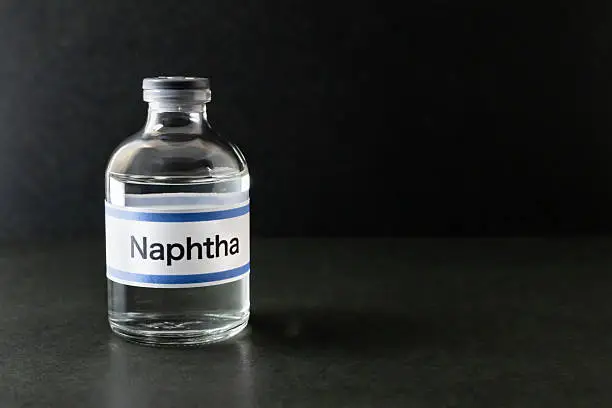
Naphtha vs. Ethane: Which Feedstock Offers a Competitive Advantage for Petrochemical Producers?
Naphtha vs. Ethane: Which Feedstock Offers a Competitive Advantage for Petrochemical Producers?
Feedstock selection is one of the most important factors determining competitiveness in the global petrochemical industry. For manufacturers producing ethylene, polyethylene, and other essential chemical building blocks, the choice between naphtha and ethane can significantly influence production costs, product yields, operating margins, and access to international markets.
In 2026, this comparison is particularly relevant as petrochemical producers navigate changing energy prices, global capacity additions, supply chain disruptions, and increasing competition between manufacturing regions. Producers in the United States benefit from access to abundant natural gas liquids, including ethane, while many manufacturers in Europe and Asia rely more heavily on naphtha derived from crude oil.
Both feedstocks have distinct advantages. Ethane is generally attractive for producing ethylene efficiently, while naphtha offers a broader range of valuable co-products. Understanding these differences helps manufacturers determine which production route best fits their operating conditions, product portfolio, and long-term business strategy.
What Is Naphtha in Petrochemical Manufacturing?
Naphtha is a liquid hydrocarbon mixture obtained primarily from crude oil refining, although it can also be produced through other processing routes. It is widely used as a feedstock in steam crackers, where hydrocarbons are broken down at high temperatures to produce ethylene, propylene, and other chemical intermediates.
Naphtha-based steam cracking is particularly important in Europe and many Asian markets, where refinery integration and established petrochemical infrastructure support its use.
One of naphtha's main advantages is its ability to generate a diverse range of co-products. In addition to ethylene, a naphtha cracker can produce propylene, butadiene, and aromatic-rich streams used in the manufacture of plastics, synthetic rubber, resins, and specialty chemicals.
However, naphtha prices are closely linked to crude oil markets. When oil prices rise, feedstock costs can increase, putting pressure on producers' margins if selling prices for chemicals do not rise accordingly.
What Is Ethane in Petrochemical Manufacturing?
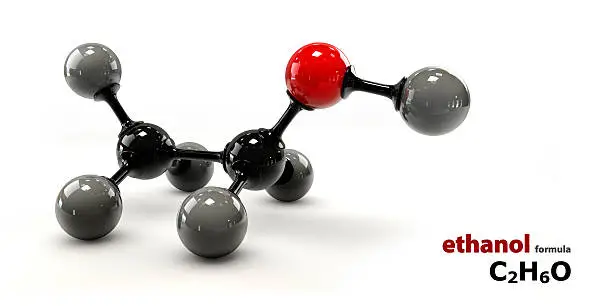
Ethane is a light hydrocarbon commonly recovered during natural gas processing and natural gas liquids production. It is widely used in steam crackers to manufacture ethylene, a key building block for polyethylene, ethylene oxide, and numerous other chemical products.
Ethane has become an important competitive feedstock in the United States, where shale gas production has increased the availability of natural gas liquids. Some Middle Eastern producers also benefit from access to competitively priced ethane.
Its main advantage is its high ethylene yield. Ethane cracking produces a relatively large proportion of ethylene while generating fewer co-products than naphtha cracking. This can make production economics particularly attractive when ethane is available at a competitive price.
However, ethane is less suitable for producing a broad portfolio of cracker co-products. Manufacturers that need substantial quantities of propylene, butadiene, or aromatic chemicals may need complementary production processes or additional feedstocks.
Naphtha vs. Ethane: Key Differences
The following table summarizes the main commercial and operational differences between the two feedstocks.
Comparison factor | Naphtha | Ethane |
|---|---|---|
Primary source | Crude oil refining | Natural gas processing |
Typical price influence | Crude oil and refinery markets | Natural gas and natural gas liquids markets |
Ethylene yield | Approximately 30–35% by mass in a typical steam cracker | Approximately 80% by mass in a typical steam cracker |
Co-product diversity | Relatively high | Relatively low |
Propylene production | Significant co-product | Very limited compared with naphtha |
Aromatics and butadiene | Produces valuable co-product streams | Produces much smaller quantities |
Major regional use | Europe and many Asian markets | United States and selected Middle Eastern markets |
Main commercial advantage | Product diversity and refinery integration | High ethylene yield and potentially lower production costs |
Main challenge | Exposure to crude oil prices | Dependence on competitive ethane supply and logistics |
Yield figures are indicative and vary with feedstock composition, cracker design, operating conditions, and product definitions.
1. Production Costs: Why Ethane Often Has the Advantage
Production cost is one of the strongest arguments in favour of ethane-based petrochemical manufacturing.
Ethane crackers typically convert a high proportion of their feedstock into ethylene. This means producers can generate substantial ethylene output from a comparatively small amount of feedstock.
Naphtha crackers, by comparison, generally require more feedstock per tonne of ethylene. However, they also generate additional products that can contribute revenue and offset some of the production costs.
The actual cost advantage depends on the relative prices of ethane, naphtha, fuel, electricity, and other operating inputs. It also depends on how much value the producer can recover from co-products.
When ethane is inexpensive relative to naphtha, ethane-based producers can achieve a strong cost position in ethylene and polyethylene markets. When the price gap narrows, the advantage may become smaller.
For producers in regions with limited access to low-cost ethane, switching feedstocks may require substantial investment in import terminals, storage, handling facilities, and equipment modifications.
2. Product Yields: The Advantage of Naphtha's Broader Output
Although ethane is highly efficient for ethylene production, naphtha offers an important commercial benefit: product diversity.
Naphtha cracking generates several useful hydrocarbon streams that can be sold directly or processed into downstream chemicals.
These include:
Propylene: Used to manufacture polypropylene, propylene oxide, acrylonitrile, and other chemical intermediates.
Butadiene: An important raw material for synthetic rubber and other polymer applications.
Aromatics: Benzene, toluene, and related compounds are used in the production of resins, solvents, fibres, and plastics.
Ethylene: A major feedstock for polyethylene and several other industrial chemicals.
This broader product slate can be valuable when demand and margins for co-products are strong.
For example, a producer operating a naphtha cracker with integrated downstream facilities may benefit from selling ethylene while also using propylene and aromatic streams in its own manufacturing operations.
An ethane-based producer may achieve lower ethylene production costs but have less flexibility to supply the same combination of products from its cracker.
The most competitive feedstock therefore depends not only on ethylene yield but also on the value of the entire product portfolio.
3. Regional Competitiveness: United States, Europe, and Asia
United States: Strong Ethane-Based Economics
The United States has developed a major competitive advantage through the availability of natural gas liquids from shale gas production.
Ethane-based steam crackers benefit from access to this feedstock, while established pipeline networks and export infrastructure support the movement of products to domestic and international customers.
This cost structure has helped US producers compete in ethylene and polyethylene markets, particularly when natural gas liquids remain relatively inexpensive compared with crude-derived naphtha.
However, the advantage is not guaranteed. Higher ethane prices, rising operating expenses, weak downstream demand, and international trade barriers can affect profitability.
Europe: Pressure on Naphtha-Based Producers
European petrochemical producers have traditionally relied heavily on naphtha-based cracking. Many facilities are integrated with refineries and downstream chemical plants, creating benefits from shared infrastructure and product integration.
Nevertheless, high energy costs, competition from lower-cost producers, and changing demand patterns have placed pressure on parts of the region's petrochemical industry.
Some producers are considering greater use of alternative feedstocks, operational improvements, capacity adjustments, or restructuring to improve competitiveness.
The economics of importing ethane must be evaluated carefully, as transportation, storage, and infrastructure costs can offset some of its feedstock advantages.
Asia: A Mixed Feedstock Landscape
Asia has a diverse petrochemical industry, with production routes ranging from naphtha cracking to ethane-based and other alternative technologies.
China has expanded both refinery-integrated petrochemical capacity and facilities using imported natural gas liquids. Japan and South Korea have also explored greater feedstock flexibility as producers respond to cost pressures and global competition.
For Asian manufacturers, the choice between naphtha and ethane depends on local feedstock availability, import economics, product demand, and the configuration of existing facilities.
The International Energy Agency has highlighted the importance of feedstock availability, product yields, and regional cost differences in shaping global petrochemical production. Its analysis also shows that naphtha crackers provide a broader mix of products, while ethane crackers focus more heavily on ethylene.
Source: IEA — The Future of Petrochemicals
4. Feedstock Flexibility and Supply Chain Resilience
Feedstock flexibility is becoming increasingly valuable as petrochemical producers manage price volatility and supply disruptions.
Facilities capable of processing different feedstocks may be able to adjust their operations when one raw material becomes more expensive or difficult to obtain. However, the degree of flexibility varies by plant, and not every facility can switch feedstocks without equipment changes or significant investment.
Naphtha-based producers can also benefit from integration with refineries, which may improve access to feedstocks and create operational efficiencies. Ethane-based producers depend on reliable supplies from natural gas processing facilities and the infrastructure required to transport ethane to crackers.
International trade introduces additional considerations. Imported ethane requires specialized transportation and handling, while naphtha is traded through established crude oil and refined-product supply chains.
Producers should therefore evaluate total delivered feedstock cost rather than relying only on the quoted market price.
5. Sustainability and Environmental Considerations
Environmental performance is another factor influencing feedstock decisions, although neither naphtha nor ethane is automatically the more sustainable option in every production system.
Both are fossil-derived hydrocarbons, and their overall environmental impacts depend on extraction, processing, transportation, cracking efficiency, energy sources, and emissions management.
Ethane-based production may offer operational efficiency advantages in certain settings because of its high ethylene yield. However, natural gas production can involve methane emissions, making effective methane management important when evaluating lifecycle performance.
Naphtha-based manufacturing can benefit from refinery integration and efficient use of co-products, but its environmental performance depends on crude oil production, refinery operations, energy consumption, and the value assigned to co-products in lifecycle assessments.
Chemical manufacturers are also exploring complementary approaches, including recycled feedstocks, bio-based raw materials, process electrification, and energy efficiency improvements.
A meaningful comparison should therefore consider both production economics and lifecycle environmental impacts.
6. How Petrochemical Producers Should Choose Between Naphtha and Ethane
There is no universal answer to which feedstock is best. Producers should evaluate their operating conditions, product requirements, and access to raw materials before making investment decisions.
Choose ethane where:
Reliable supplies of competitively priced ethane are available.
Ethylene and polyethylene are the main products.
High ethylene yields are a priority.
Infrastructure supports economical feedstock delivery and handling.
Consider naphtha where:
Refinery integration provides feedstock or operational advantages.
The business requires a diverse range of cracker co-products.
Propylene, butadiene, and aromatic streams have strong commercial value.
Existing facilities and downstream operations are optimized for naphtha.
A robust evaluation should include feedstock prices, conversion yields, energy consumption, operating costs, capital requirements, co-product revenues, transportation costs, and expected market demand.
Producers should also assess how these factors may change under different oil and gas price scenarios. A feedstock that offers the lowest cost today may not remain the most competitive option throughout the operating life of a plant.
Feedstock Offers the Greater Competitive Advantage:
Ethane generally offers a cost and yield advantage for ethylene-focused petrochemical production when reliable, low-cost supplies are available. This has supported the competitiveness of producers in the United States and selected Middle Eastern markets.
Naphtha remains an important feedstock because it produces a broader range of commercially valuable co-products and fits well with refinery-integrated petrochemical operations. For manufacturers serving several downstream markets, this product diversity can offset some of its feedstock cost disadvantages.
In 2026, the most competitive choice depends on regional economics, feedstock availability, plant configuration, product demand, and supply chain reliability.
Rather than assuming one feedstock will always outperform the other, petrochemical producers should evaluate the full economics of their production systems. Companies that combine competitive raw material sourcing with efficient operations, flexible supply chains, and a well-balanced product portfolio will be better positioned to compete in the global petrochemical market.
Sources and Further Reading
International Energy Agency (IEA) — The Future of Petrochemicals
International Energy Agency (IEA) — Oil Use in Industry
Deloitte — Building Resilience in Petrochemicals
Reuters — Asian Petrochemical Producers Chase Ethane Gains as Margins Dwindle
Methanol
Found this useful?