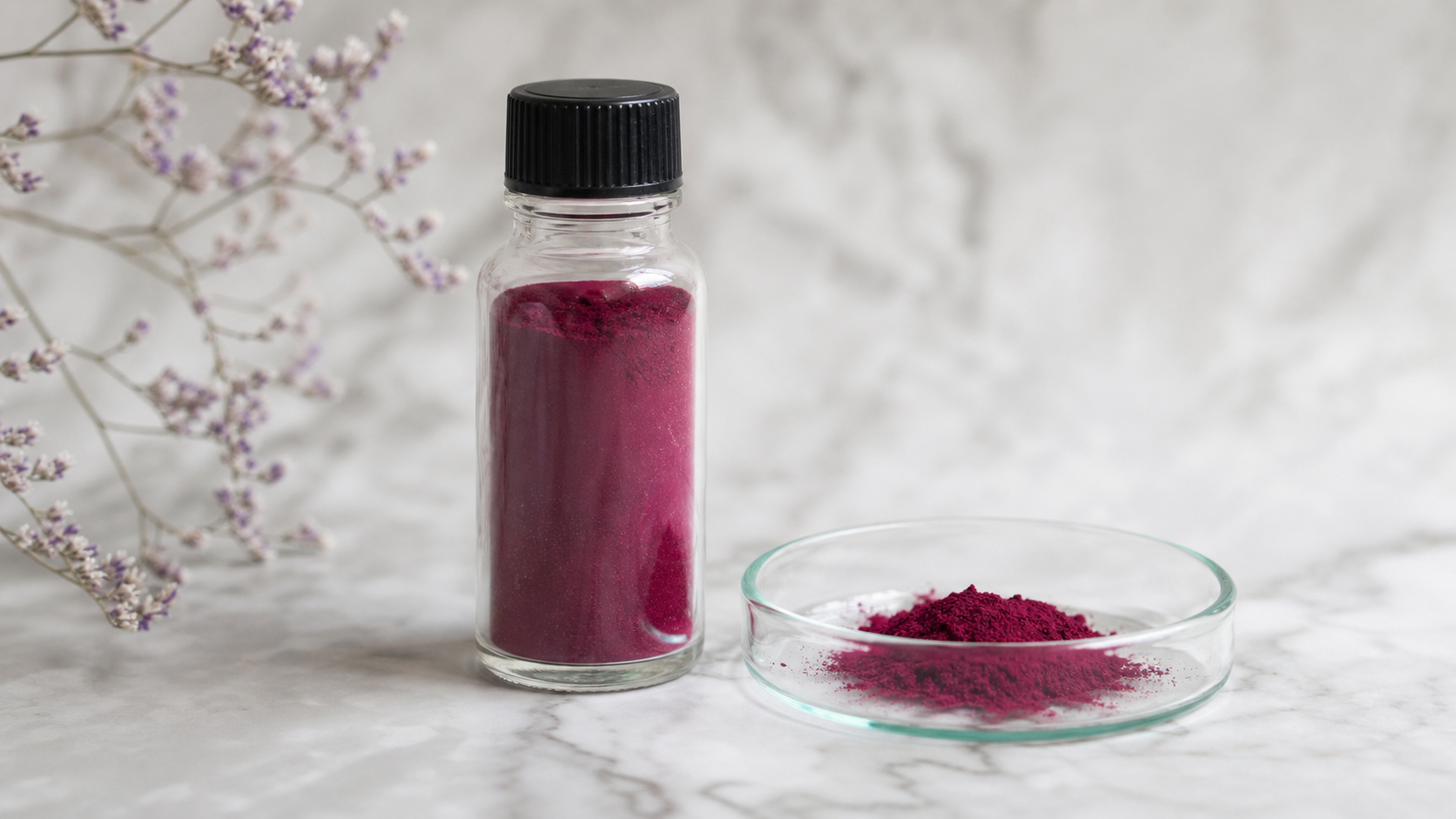
Natural Dyes and Color Stability: Technical Challenges Procurement Teams Should Flag Early
Natural dyes are gaining attention as manufacturers respond to demand for cleaner labels, recognizable ingredients and more naturally positioned products. Yet replacing a synthetic color with a natural alternative involves more than finding a pigment with a similar shade.
Natural dyes can behave differently during processing, storage and final product use. Changes in pH, temperature, light exposure, oxygen levels and interactions with other ingredients can shift color intensity or appearance. For procurement teams, these technical differences need attention early because a material that matches a target shade in a supplier sample may perform differently at commercial scale.
Why Natural Dyes Create a Different Procurement Challenge
Synthetic colors often offer predictable shade performance across defined processing conditions. Natural dyes can show greater sensitivity to their surrounding formulation, which makes procurement specifications more important during supplier evaluation.
The same natural color may perform differently depending on its source, extraction method, concentration and formulation. Buyers therefore need to evaluate the material as part of the intended application rather than judging it only by its appearance in a sample container.
Several factors can create unexpected variation:
Raw material variability: Agricultural inputs can differ by crop, origin and processing conditions, influencing pigment concentration and shade.
Processing sensitivity: Heat, acidity, alkalinity and oxygen exposure can affect color intensity during manufacturing.
Storage conditions: Light, temperature and moisture can influence stability over time.
Formulation interactions: Preservatives, minerals, acids, sweeteners and other ingredients can change the final color response.
For importers and distributors, these variables also make supplier documentation particularly important. Technical specifications should cover more than identity and assay where color performance is a critical commercial requirement.
pH Can Change the Final Color Profile
One of the first technical questions buyers should raise concerns pH stability. Many natural pigments respond to changes in acidity or alkalinity, sometimes producing a visible shift in hue rather than simply reducing color intensity.
This matters when a manufacturer uses the same natural color across several formulations. A pigment that performs well in an acidic beverage may not produce the same result in a neutral or higher-pH application.
Procurement teams should ask suppliers for application-specific performance information rather than relying on a generic color description. Useful evaluation points include:
Recommended pH range for stable color performance.
Expected shade behavior at different pH levels.
Compatibility with acidulants and buffering systems.
Whether the supplied product requires a specific formulation environment.
A small difference in formulation pH can become commercially significant when customers expect consistent color across production batches. Buyers should therefore involve technical and formulation teams before approving a new natural dye source.
Heat and Processing Conditions Need Early Testing
Industrial processing can expose natural dyes to temperatures that differ substantially from laboratory or bench-scale conditions. Heat treatment, drying, pasteurization and other thermal steps can reduce color intensity or alter the final shade depending on the pigment system.
This creates a procurement risk when supplier samples undergo limited testing but the commercial product faces much harsher processing conditions. A color that looks strong before processing may not retain the same appearance afterward.
Procurement teams should test the complete process window, including:
Maximum processing temperature and exposure time.
Heating and cooling cycles.
Holding periods before packaging.
Whether the color receives thermal treatment more than once.
Suppliers should also provide recommended dosage ranges and processing guidance where available. Comparing materials under identical commercial conditions gives buyers a more useful basis for supplier selection than comparing dry powders or concentrated solutions alone.
Light and Oxygen Can Affect Shelf-Life Performance
Natural dyes can also face challenges from light and oxidation. Exposure during manufacturing, filling, warehousing or retail display can gradually change color depending on the pigment and formulation.
Packaging can become part of the color stability equation. A formulation may perform well in an opaque container but experience greater degradation when packaged in a transparent format under strong retail lighting.

Oxygen exposure can create another variable, particularly where pigments are sensitive to oxidation. Procurement teams should discuss oxygen sensitivity with suppliers and assess whether packaging, headspace conditions or antioxidant systems affect performance.
Supplier Qualification Should Go Beyond Shade Matching
A common procurement mistake is to treat color matching as the primary qualification criterion. Shade remains important, but commercial buyers need to understand whether the supplier can consistently deliver the required performance across production batches.
A stronger qualification process should examine:
Pigment concentration and specification: Confirm the technical parameters that determine how much material is required to achieve the target color.
Source consistency: Understand whether the supplier relies on stable raw material sourcing and consistent extraction processes.
Batch-to-batch variation: Request representative samples from different production batches where possible.
Application testing: Evaluate the color in the actual formulation and under real processing conditions.
Storage performance: Assess how the color behaves during the intended shelf-life period.
Documentation: Review specifications, safety information and relevant quality documentation before commercial approval.
This approach helps buyers distinguish between a supplier that can provide an attractive sample and one that can support repeatable industrial production.
Formulation Compatibility Can Determine Commercial Success
Natural dyes do not operate independently inside a finished product. Their performance can depend on the wider ingredient system, making compatibility testing an essential part of the sourcing process.
Acidulants, minerals, preservatives and other formulation components may interact with pigments or influence the environment in which the color remains stable. Even changes in ingredient ratios can produce a different visual result.
For procurement managers, this means the technical brief sent to suppliers should contain enough application information to support meaningful recommendations. Sharing the target product type, processing conditions, pH range, packaging format and expected shelf life can help suppliers identify a suitable grade.
This also reduces the risk of purchasing a material based solely on a specification sheet that does not reflect the actual application.
Cost Should Be Evaluated Through Use Rate and Yield
Natural dyes can appear more expensive when buyers compare the price per kilogram directly with synthetic alternatives. That comparison can be misleading because the required dosage may differ substantially between products.
Procurement teams should calculate the effective color cost per finished product, taking dosage, concentration and processing losses into account. A higher-priced material may prove commercially attractive if it delivers the required shade at a lower use rate.
Conversely, a lower unit price may become expensive if manufacturers need higher dosages to compensate for weaker color strength or processing losses. Buyers should therefore evaluate total formulation economics rather than relying on purchase price alone.
Supplier discussions should cover minimum order quantities, packaging formats, lead times and shelf life alongside technical performance. These factors can materially affect the landed cost and inventory strategy for importers and distributors.
Regulatory and Documentation Requirements Matter
The transition from synthetic to natural dyes can also change the documentation requirements that procurement teams need to manage. Buyers must ensure that the selected material fits the regulatory and application requirements of the destination market and intended end use.
Documentation should align with the specific product and market rather than relying on generic supplier statements. Procurement teams should establish clear internal requirements for specifications, certificates and traceability before placing commercial orders.
For international chemical and ingredient traders, origin and supply-chain information can also influence customer acceptance. A supplier capable of providing consistent documentation across shipments can reduce administrative friction and support smoother downstream transactions.
How Procurement Teams Can Reduce Switching Risks
A successful transition requires coordination between procurement, quality, formulation and production teams. Procurement should not treat the switch as a conventional supplier substitution because technical performance can change even when the visual shade appears comparable.
A practical sourcing workflow includes:
Define the performance target: Specify shade, application, processing conditions and expected shelf life.
Shortlist qualified suppliers: Compare technical capability, documentation, supply capacity and commercial terms.
Request application samples: Test materials in the intended formulation rather than evaluating them only as standalone ingredients.
Run accelerated stability trials: Examine exposure to heat, light, oxygen and relevant pH conditions.
Test multiple batches: Determine whether the supplier maintains consistent performance over time.
Validate commercial supply: Confirm lead time, packaging, minimum order quantities and continuity plans before switching fully.
This process gives buyers a clearer view of the risks before they become production problems.
The Market Opportunity Comes With Technical Discipline
The shift toward natural dyes creates opportunities for suppliers and buyers across food and ingredient markets. Demand for naturally positioned formulations can encourage manufacturers to reformulate existing products and explore new applications.
However, the commercial opportunity depends on technical execution. A natural dye that meets consumer expectations but fails to maintain its appearance through manufacturing or shelf life can create higher costs, rejected batches and customer complaints.
For traders, the opportunity lies in connecting buyers with suppliers that understand both the material and its application requirements. Technical transparency can become a meaningful differentiator as customers demand alternatives to synthetic colors without accepting inconsistent product performance.
What Buyers Should Do Now
Procurement teams considering a move from synthetic to natural dyes should start technical evaluation before negotiating final commercial terms. The critical questions concern stability, formulation compatibility, batch consistency, dosage and supply reliability rather than price alone.
Buyers should also make application conditions part of the sourcing specification from the beginning. Early testing can reveal whether a candidate color needs formulation adjustments, packaging changes or a different grade before the material reaches full-scale production.
For chemical traders, importers and exporters, this creates a stronger sourcing proposition. Suppliers that can combine consistent quality with useful technical guidance are better positioned to support manufacturers through color reformulation projects and longer-term supply agreements.
Ready to source Citric Acid Monohydrate - China from verified global suppliers? Explore competitive offers on our platform today.
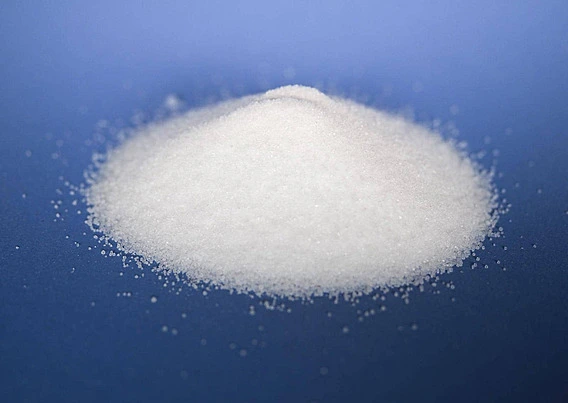
Citric Acid Monohydrate (E330)
Found this useful?