Navigating Geopolitical Pressures on Specialty Chemical Export Volumes
Navigating Geopolitical Pressures on Specialty Chemical Export Volumes
Global logistics friction and shifting trade dynamics continue to influence international markets, placing new operational demands on specialty chemical manufacturers. Industry participants face complex cross-border challenges as regional conflicts and policy shifts alter traditional trade routes. For major producers such as Vishnu Chemicals, navigating these external pressures requires agile operational frameworks and careful management of overseas shipments.
Regional producers increasingly encounter fluctuating demand patterns across developed and developing economies. Maintaining steady export flows remains critical for revenue stability, yet shifting trade policies introduce constant uncertainty. Procurement professionals must closely monitor these developments to protect their supply chains from sudden disruptions.
Geopolitical Friction and Export Pressures
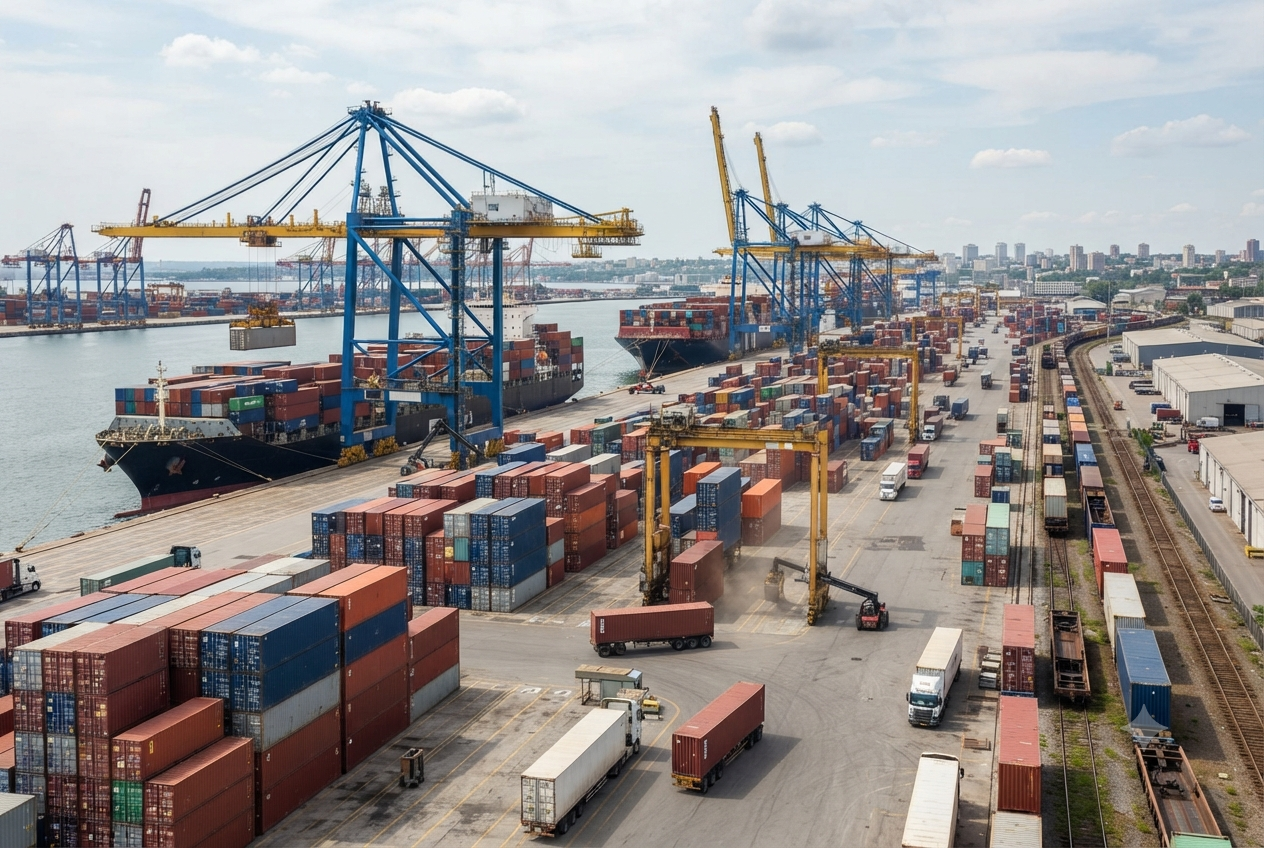
International trade corridors face persistent vulnerabilities due to regional disputes and changing regulatory mandates. Specialty chemical producers relying heavily on overseas markets must contend with unpredictable shipping schedules and variable transit times. These friction points directly restrict export volumes, creating bottlenecks that ripple across downstream manufacturing sectors.
Border restrictions and tariff adjustments alter cost structures for international buyers.
Shipping lane congestion delays scheduled deliveries of vital raw materials.
Regulatory compliance checks increase administrative burdens at major ports.
Producers expanding their geographic footprint often find themselves exposed to these macro risks. While emerging markets offer fresh growth avenues, navigating localized trade disputes demands high operational resilience. Companies must balance aggressive global expansion with the reality of unstable maritime logistics.
Supply Chain Realities for Indian Producers
Indian specialty chemical manufacturers have established a strong presence across global markets through competitive pricing and reliable quality. However, external macroeconomic headwinds complicate outbound logistics. Export-oriented players experience direct exposure to currency volatility and shifting foreign demand.
Diversified customer portfolios help mitigate regional drop-offs in demand.
Integrated manufacturing units support better control over production costs.
Strategic inventory management cushions the impact of delayed shipments.
Producers constantly evaluate alternative transport routes to bypass congested zones. Maintaining close coordination with logistics partners ensures minimal downtime during unexpected trade blockades. Agility on the factory floor translates directly to better service reliability for international clients.
Strategic Adaptation in Procurement
Procurement managers face the task of securing consistent material inputs amidst volatile market conditions. Relying on a single geographic source introduces unacceptable operational risks. Buyers actively diversify their supplier base to safeguard against sudden export contractions
Establishing long-term agreements with verified manufacturers helps stabilize pricing and volume allocation. Transparent communication between buyers and suppliers prevents misunderstandings during periods of transit stress. Flexibility in order volumes allows both parties to adapt smoothly to fluctuating shipping realities.
Looking Ahead to Sourcing Resilience
The ongoing evolution of global trade requires proactive measures from every link in the chemical supply chain. Understanding the root causes of export volatility enables better risk assessment and inventory planning. Organizations that invest in robust supplier relationships will navigate future uncertainties with confidence.
Ready to source specialty chemicals from verified global suppliers? Explore competitive offers on our platform today.

Basic Chromium Sulphate
Found this useful?