Tapioca vs Corn Starch: Sourcing Trade-Offs Amid Trade Policy Shifts
The tapioca vs corn starch sourcing decision is becoming more strategic as food manufacturers manage changing trade conditions, freight costs and supply-chain risk. Both starches offer broad food applications, but their economics depend heavily on origin, processing capacity, transportation routes and the technical requirements of the final product.
For procurement managers, the lowest quoted price does not always represent the lowest landed cost. A competitive sourcing program needs to balance raw material availability with tariff exposure, supplier concentration, lead times and formulation performance.
Tapioca starch offers an attractive alternative for buyers seeking geographic diversification and specific texture characteristics. Corn starch benefits from a large global agricultural base and mature processing infrastructure, giving it strong availability in many markets.
Tapioca and Corn Starch Start With Different Supply Bases
Tapioca starch comes from cassava, a root crop cultivated extensively in tropical and subtropical regions. Major production and processing networks give tapioca a strong position in international food ingredient trade.
Corn starch relies on maize as its agricultural feedstock. Corn has a much broader role across food, feed, fuel and industrial markets, which creates a large upstream supply ecosystem.
This difference matters during procurement planning. Buyers should examine not only the starch supplier but also the underlying agricultural supply chain supporting that supplier.
Several factors can influence the relative strength of each sourcing route:
Crop availability: Weather, planting decisions and agricultural yields can influence feedstock costs.
Processing capacity: Local starch production capacity affects export availability and supplier competition.
Domestic demand: Strong consumption in the producing country can reduce exportable surplus.
Logistics: Port capacity, container availability and freight costs can alter landed economics.
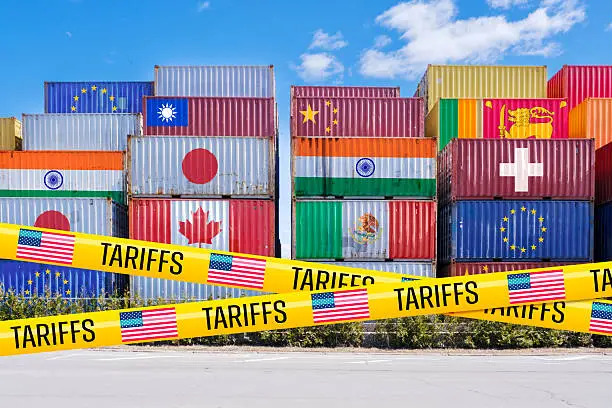
Trade policy: Tariffs, customs measures and changing import rules can shift the relative competitiveness of different origins.
Cost Comparison Depends on the Landed Price
Comparing tapioca and corn starch solely on supplier quotations can produce misleading results. Procurement teams should calculate landed cost from the manufacturing site through to the buyer's warehouse.
The model should account for the product price, freight, insurance, duties, customs charges and inland transportation. Currency movements can also change the ranking of competing suppliers between purchasing cycles.
A lower-cost origin may lose its advantage if freight costs rise or if trade measures increase the effective import cost.
For buyers, a useful sourcing review should ask:
What is the supplier's ex-works or export price?
What freight route will the shipment use?
What duties or trade measures apply to the origin?
How long will the material remain in transit?
What inventory level does the lead time require?
What is the total delivered cost per tonne?
This approach makes tapioca and corn starch easier to compare on a like-for-like basis.
Where Tapioca Starch Has a Sourcing Advantage
Tapioca can provide procurement teams with an additional supply route when buyers want to reduce dependence on corn-based ingredients. Its distinct agricultural origin also gives manufacturers another option when corn markets become commercially challenging.
Tapioca starch can offer useful characteristics in products where smooth texture, viscosity and processing behavior are important. Food manufacturers use it across applications such as sauces, bakery products, snacks and processed foods.
Its sourcing advantage becomes stronger when the buyer already has qualified suppliers in several cassava-producing regions. Multiple origins can provide greater flexibility when one production area experiences logistical or agricultural disruption.
However, diversification only creates resilience when suppliers have been technically qualified in advance.
Why Corn Starch Remains a Procurement Mainstay
Corn starch benefits from an extensive global corn industry. Large production volumes, established processing infrastructure and broad agricultural cultivation support a deep supplier base.
This can make corn starch easier to source at scale for manufacturers with standardized formulations. It also supports strong integration with existing food ingredient distribution networks.
Corn starch can be particularly attractive when buyers require large recurring volumes and have established supply contracts.
Its broad industrial ecosystem can also create sourcing flexibility. However, corn competes with several major end-use markets, so procurement teams should continue monitoring agricultural and downstream demand conditions.
Functionality Can Change the Economics of Substitution
Price comparison becomes less useful when tapioca and corn starch do not perform identically in the target formulation. A manufacturer may need to adjust dosage, cooking conditions or other ingredients when switching between starch sources.
That can create additional development costs.
R&D teams should therefore test each candidate starch under actual production conditions. Laboratory viscosity alone may not capture the behavior of the ingredient during heating, cooling, freezing or high-shear processing.
Procurement should work with technical teams to establish a minimum performance specification before commercial sourcing begins.
Important criteria can include:
Viscosity development.
Gel strength.
Texture.
Water retention.
Freeze-thaw stability.
Shear resistance.
Cooking performance.
Appearance and sensory characteristics.
The most competitive material is the one that delivers the required finished-product performance at the lowest total cost.

Trade Policy Can Reshape Origin Preferences
Trade policy changes can quickly alter the economics of imported food ingredients. A tariff adjustment, customs requirement or change in preferential treatment can affect suppliers from one origin differently from suppliers in another region.
Procurement teams should avoid building sourcing strategies around one country without reviewing potential policy exposure.
A more resilient approach involves maintaining visibility across several origins and identifying qualified alternatives before a trade measure affects purchasing economics.
Buyers should monitor:
Import duties and tariff classifications.
Preferential trade agreements.
Customs documentation requirements.
Origin rules.
Port and inspection procedures.
Potential changes affecting agricultural ingredients.
This does not mean abandoning the lowest-cost supplier. It means understanding how much of the supplier's competitiveness depends on stable trade conditions.
Supply Resilience Favors a Multi-Origin Strategy
Supply resilience has become a procurement priority because food manufacturers cannot easily tolerate prolonged ingredient shortages. Starch may represent a relatively small portion of finished-product cost, but its absence can stop production.
Dual sourcing can reduce this exposure.
A manufacturer using corn starch as its primary ingredient might qualify tapioca starch for selected applications where technical substitution is feasible. A tapioca-based formulation can similarly maintain a qualified corn starch option when product specifications allow it.
This creates a procurement hedge without requiring immediate replacement of the primary ingredient.
The strategy works best when technical teams complete qualification before a disruption occurs.
Inventory Strategy Should Reflect Lead Times
The right inventory level depends on more than average consumption. Procurement teams should consider supplier location, shipping frequency, seasonal agricultural conditions and the availability of alternative origins.
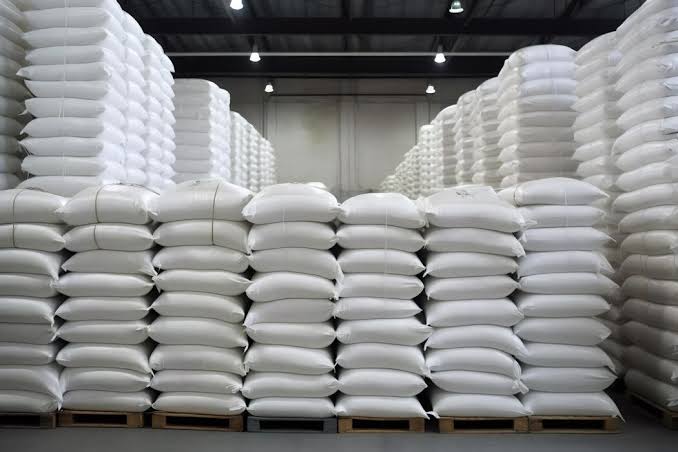
Imported starch can require substantial planning when ocean freight forms part of the supply route.
Buyers should consider carrying additional safety stock when:
A product has only one qualified supplier.
Transit times are long or unpredictable.
The material has limited substitute options.
Production cannot tolerate an interruption.
Trade policy could change the cost or availability of an origin.
At the same time, excessive inventory ties up working capital and increases storage requirements. The objective is not maximum inventory but appropriate protection against realistic supply risks.
Supplier Qualification Should Cover More Than Price
A supplier offering the lowest quotation may not deliver the strongest procurement outcome. Quality consistency, documentation, packaging and export experience can all affect the true cost of supply.
For both tapioca and corn starch, buyers should request clear technical specifications and recent commercial documentation.
Supplier evaluation should cover:
Production location and capacity.
Feedstock sourcing.
Product grade and specifications.
Batch consistency.
Minimum order quantities.
Packaging options.
Lead time.
Export history.
Food-grade documentation.
Commercial payment terms.
A supplier with slightly higher pricing can provide better value if it delivers consistent material and fewer supply interruptions.
Traders Can Create Value Through Origin Diversification
Chemical and food ingredient traders can support manufacturers by presenting multiple qualified origins rather than a single commodity quotation.
For buyers comparing tapioca and corn starch, traders can provide a broader commercial picture by showing differences in origin, shipment size, lead time and landed cost.
This approach is particularly useful when trade policy changes make one sourcing route less attractive.
Traders can also help manufacturers evaluate alternative origins without forcing them to manage numerous supplier relationships directly. Sampling, documentation and commercial negotiation can move through one established trading channel.
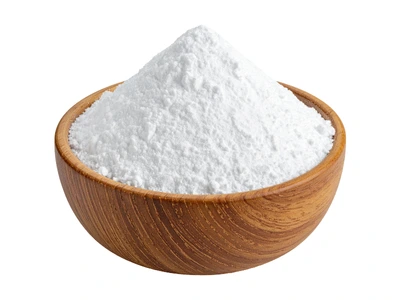
Tapioca Starch
Found this useful?