Whey Protein Price Volatility and Global Dairy Output: What Sports Nutrition Buyers Need to Know
Whey protein price volatility has become a central procurement issue for sports nutrition manufacturers as dairy production, cheese processing and strong protein demand increasingly influence available supply. The relationship matters because whey is not produced independently of the dairy complex. Much of the commercial whey stream originates from cheese manufacturing, which means changes in milk availability and dairy processing can quickly affect protein ingredient supply.
For buyers of whey protein concentrate and whey protein isolate, this creates a forecasting challenge. A period of strong milk production can increase basic whey availability, yet limited processing capacity or stronger demand for high-protein ingredients can still keep premium grades tight. Recent market developments show why procurement teams need to track the entire dairy chain rather than monitor whey prices alone.
Global Dairy Output Sets the Foundation for Whey Supply
Milk production remains one of the first indicators procurement teams should monitor when forecasting whey availability. More milk can support greater cheese production and therefore generate additional whey streams, while slower dairy output can constrain the underlying feedstock available to processors.
The relationship is not always immediate. Global milk production was expected to grow by around 1% in 2026, substantially slower than the 3.1% growth reported for 2025, while processors have increasingly focused on cheese and higher-value protein ingredients.
For sports nutrition manufacturers, the important point is that more milk does not automatically mean more WPC or WPI. Processing capacity, product allocation and downstream demand determine how much of the available whey actually becomes the specific grade a buyer needs.
That distinction has become increasingly important as dairy companies invest heavily in specialized protein processing. New capacity can eventually improve availability, but construction, commissioning and qualification take time.
Why Cheese Production Matters to Whey Protein Buyers
Whey supply has a structural connection to cheese manufacturing. When processors allocate more milk toward cheese, they create additional whey that can subsequently enter food, feed and specialized protein applications.
This creates an unusual procurement dynamic. Cheese demand can indirectly influence the availability of whey protein even when sports nutrition demand remains the primary driver of premium protein pricing.
The allocation of milk across dairy products also affects processor economics. Higher-value whey ingredients can encourage dairy companies to invest in filtration, drying and specialty processing capacity, strengthening the connection between dairy output and protein markets.
For buyers, several signals deserve regular attention:
Milk production trends: Changes in milk volumes affect the underlying dairy feedstock available to cheese and whey processors.
Cheese production: Higher cheese output can increase whey streams, although the resulting protein supply depends on processing infrastructure.
Whey processing capacity: New filtration and drying capacity can improve supply, but the impact usually develops gradually.
Protein demand: Strong demand for WPC and WPI can absorb additional output quickly.
Product allocation: Processors may prioritize higher-value protein grades when market returns justify the shift.
WPC and WPI Are More Exposed to Processing Constraints
The whey market contains several product categories, and buyers should not treat basic whey powder, whey protein concentrate and whey protein isolate as interchangeable supply indicators.
High-protein grades require additional processing and purification. As a result, the availability of raw whey can remain adequate while commercial availability of WPC80 or WPI stays constrained.
Recent 2026 market analysis highlights this distinction. North American WPC prices increased during the second quarter as production and inventories tightened, even while milk and basic whey availability improved.
This creates a forecasting problem for sports nutrition manufacturers. A procurement model based solely on dairy output may underestimate the impact of processing bottlenecks.
Effective supply matters more than theoretical supply.
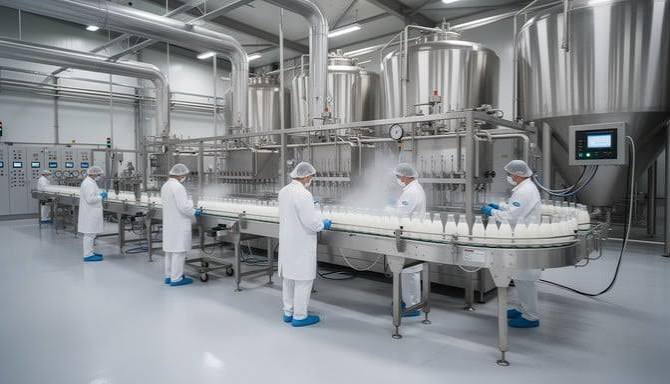
If existing plants operate near capacity, incremental milk production may not translate quickly into additional WPI or high-protein WPC. New processing facilities can eventually relieve that pressure, but buyers must account for the time required for construction, commissioning and commercial qualification.
Sports Nutrition Demand Is Reshaping Procurement Forecasts
Protein demand has expanded beyond traditional bodybuilding products into broader sports nutrition, functional foods and everyday wellness products. This creates a wider demand base for whey ingredients and makes forecasting more difficult when several end markets compete for the same supply.
Recent dairy industry investment reflects this shift. Major producers have expanded or announced additional WPC and WPI capacity as demand for premium dairy proteins continues to grow.
Sports nutrition manufacturers therefore face two opposing forces. New processing capacity should eventually increase supply, while strong demand can absorb that capacity before the market experiences meaningful relief.
For procurement managers, this makes demand planning particularly important. Companies that wait until finished-product orders accelerate before securing whey volumes can become exposed to spot-market pricing and limited availability.
How Price Volatility Changes Procurement Strategy
Whey pricing can move rapidly when physical availability tightens. The effect becomes particularly significant for manufacturers selling protein powders, ready-to-drink beverages, bars and other products where whey represents a meaningful portion of formulation cost.
Procurement teams should avoid treating whey as a simple annual purchasing decision. A better approach combines forward contracts, supplier relationships and inventory planning according to the company's production cycle.
One useful strategy involves dividing purchasing requirements into different time horizons:
Base volume: Secure predictable requirements through longer-term supplier agreements where commercial terms make sense.
Flexible volume: Keep part of the requirement open to take advantage of favorable market movements.
Contingency volume: Maintain qualified alternative suppliers for unexpected demand or supply disruption.
Spot exposure: Limit unplanned spot purchases unless the business can absorb significant price fluctuations.
This structure can reduce dependence on a single pricing point. It also gives manufacturers greater flexibility when whey markets move sharply in either direction.
Regional Supply Differences Matter More Than Ever
Whey protein procurement is increasingly global, but regional market conditions can differ substantially. Production levels, processing capacity, export activity, currency movements and local demand all influence the delivered cost available to an importer.
Europe and North America remain important production and processing regions, while many Asian markets depend significantly on imported dairy proteins. Import-dependent buyers can therefore face additional exposure to freight rates, currency movements and international supply disruptions.
The difference between regional availability and landed availability matters for forecasting. A supplier may have product in a production country, yet the material may still require several weeks of logistics before reaching the buyer's manufacturing site.
Procurement teams should therefore build lead times into their forecasts rather than relying on supplier availability alone.
New Capacity Could Ease Prices, But Timing Is Critical
Dairy companies are responding to strong protein economics with significant investment. In 2026, DMK announced a new WPC80 facility with 7,000 tonnes of capacity, while FrieslandCampina and Saputo have also expanded whey protein capabilities.
These investments should eventually improve supply flexibility. However, capacity additions do not immediately translate into freely available spot material.
Construction and commissioning require time, while producers must establish consistent quality and integrate new output into existing commercial networks. At the same time, demand can continue rising during the expansion period.
This means buyers should distinguish between announced capacity and usable supply. Forecast models that count future production too early can underestimate near-term procurement risk.
What Procurement Teams Should Track Each Quarter
A robust whey forecasting model should combine dairy, processing and downstream indicators. Tracking only historical purchase prices gives buyers limited visibility into the forces likely to affect future costs.
Procurement teams can monitor:
Milk production forecasts across major dairy-producing regions.
Cheese production and processor utilization.
WPC and WPI production capacity additions.
Manufacturer inventory levels and contract availability.
Sports nutrition and functional food demand.
Freight costs, currency movements and import conditions.
Supplier lead times and forward-order commitments.
The goal is not to predict an exact whey price months in advance. Instead, buyers should identify whether market conditions are moving toward surplus, balance or tighter availability.
That directional insight can support better purchasing decisions and help manufacturers decide when to secure additional volumes.
Why Supplier Diversification Is Becoming a Forecasting Tool
Supplier diversification is often discussed as a risk-management strategy, but it can also improve price forecasting. Buyers with access to several qualified suppliers receive more market signals and gain a clearer picture of regional availability.
A diversified sourcing network can reveal differences in lead times, contract structures and product availability. It can also reduce the pressure to accept a single supplier's commercial terms during periods of tight supply.
However, diversification only works when suppliers are technically qualified in advance. Switching between WPC or WPI sources without validating specifications can create formulation and production problems.
For sports nutrition manufacturers, supplier qualification should therefore happen during relatively stable market conditions. The best time to build an alternative supply route is before the next shortage appears.
The Bottom Line for Sports Nutrition Procurement
Whey protein price volatility is increasingly linked to the wider economics of global dairy production. Milk output sets the foundation, cheese production influences whey generation and processing capacity determines how much of that whey becomes commercially available WPC or WPI.
For sports nutrition manufacturers, this means procurement forecasts should extend beyond historical whey prices. Dairy output, cheese production, processing investments, supplier inventories and downstream protein demand all deserve a place in the purchasing model.
Dextrose Monohydrate (E1200)
Found this useful?