
Petrobras Begins Using Technical Corn Oil as a Sustainable Feedstock in Asphalt Production
Petrobras has begun incorporating technical corn oil (TCO) into the production of asphalt binder at its Henrique Lage Refinery (REVAP) in São José dos Campos, Brazil.
The move represents an interesting expansion of the sustainable-feedstock model beyond traditional fuels and chemicals. Instead of using the corn-derived material exclusively within the biofuels value chain, Petrobras is introducing it into an industrial asphalt product, creating another pathway for renewable content in infrastructure materials.
Petrobras says the initiative has been in operation since June 2026 and uses TCO in the production of CAP Pro R.
Why Technical Corn Oil Matters
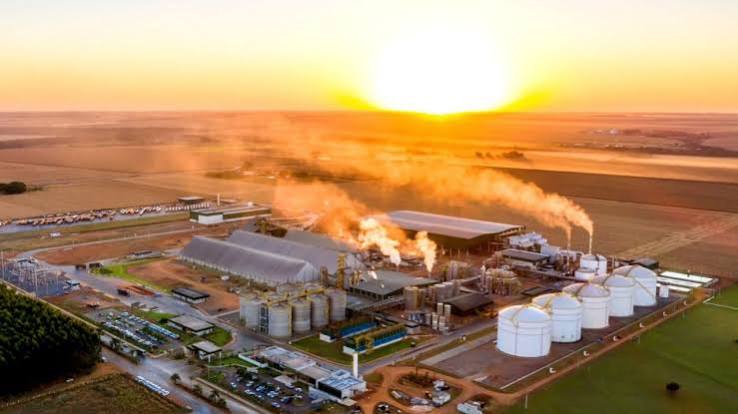
Technical corn oil is a semi-refined residual oil obtained from corn processing for ethanol production. This makes it particularly interesting from a circular-economy perspective because an existing processing byproduct can become a feedstock for another industrial application.
The approach creates a broader value chain:
Corn → Ethanol Processing → Technical Corn Oil → Asphalt Binder → Road Infrastructure
Rather than treating the residual stream simply as waste or a low-value byproduct, the model creates an additional industrial use for it.
From Biofuel Byproduct to Industrial Feedstock
The development highlights a broader shift in sustainable feedstocks.
Renewable raw materials are increasingly being evaluated according to where they can create the greatest commercial value.
Potential applications for renewable and residual feedstocks include:
Fuels
Lubricants
Polymers
Surfactants
Coatings
Specialty chemicals
Asphalt and construction materials
For refiners and chemical producers, this creates opportunities to diversify feedstock sources while extracting additional value from existing processing streams.
Petrobras' CAP Pro Strategy
The TCO initiative forms part of Petrobras' broader CAP Pro portfolio of asphalt binders containing renewable or recycled content.
Petrobras describes CAP Pro as part of its transition toward lower-carbon and more sustainable paving materials. Its portfolio includes products designed for applications such as highway paving, waterproofing, and asphalt-product manufacturing.
The company has also previously validated renewable-content asphalt through laboratory, semi-commercial, and practical road-track testing.
This suggests the strategy is moving beyond laboratory experimentation toward commercial-scale material production.
Market Implications
The use of technical corn oil in asphalt could have implications for both the agricultural and industrial supply chains.
Potential effects include:
Additional demand for renewable industrial feedstocks
Greater value creation from ethanol-processing byproducts
New connections between agriculture and infrastructure
Diversification of asphalt feedstocks
Greater interest in lower-carbon construction materials
New opportunities for bio-based material suppliers
The development also illustrates how renewable feedstocks can enter markets that traditionally depend heavily on petroleum-derived raw materials.
Competitive Intelligence
Companies tracking sustainable-feedstock markets should monitor several indicators.
1. Feedstock Diversification
Watch for refiners and chemical producers incorporating agricultural residues and byproducts into industrial materials.
2. Commercial Scale
The transition from laboratory testing to continuous commercial production is an important indicator of technology maturity.
3. Performance Validation
Renewable-content materials must maintain the technical performance required by their conventional alternatives.
4. Feedstock Availability
The scalability of bio-based materials depends on consistent availability, collection infrastructure, and competing uses for the same feedstock.
5. Lifecycle Economics
The commercial case ultimately depends on feedstock cost, processing requirements, logistics, and the value customers place on lower-carbon materials.
Procurement Considerations
Companies purchasing sustainable construction or industrial materials should evaluate more than the renewable-content percentage.
Important criteria include:
Feedstock origin
Traceability
Renewable-content verification
Technical specifications
Product consistency
Supply availability
Production scalability
Carbon-accounting methodology
Regulatory compliance
Long-term supplier capacity
For infrastructure buyers, sustainable materials must ultimately combine environmental credentials with reliable technical performance and competitive economics.
Looking Ahead
Petrobras' use of technical corn oil demonstrates how the biofuels, agriculture, refining, and infrastructure sectors can become increasingly interconnected.
The most important development may not be the specific use of corn oil in asphalt, but the broader model: industrial companies are increasingly looking for ways to convert residual and renewable streams into higher-value materials.
As demand for lower-carbon infrastructure grows, similar approaches could expand into additional construction materials, polymers, coatings, and specialty chemicals.
For sustainable-feedstock suppliers and industrial procurement teams, the opportunity is to identify residual streams that can move from low-value byproducts to commercially valuable industrial inputs.
Key Takeaways
Petrobras began using technical corn oil (TCO) as a sustainable feedstock for asphalt production at REVAP in June 2026.
TCO is a semi-refined residual oil generated during corn processing for ethanol production.
The material is being incorporated into Petrobras' CAP Pro R asphalt binder.
The initiative connects agricultural processing with the infrastructure and asphalt value chain.
Petrobras' broader CAP Pro portfolio demonstrates how renewable and recycled content can be incorporated into commercial asphalt products.
The development highlights a wider opportunity to convert renewable and residual feedstocks into higher-value industrial materials.
Sources
Found this useful?