New Jersey's Chambers Works Settlement Closes a Chapter That Began With PFAS's 1938 Discovery
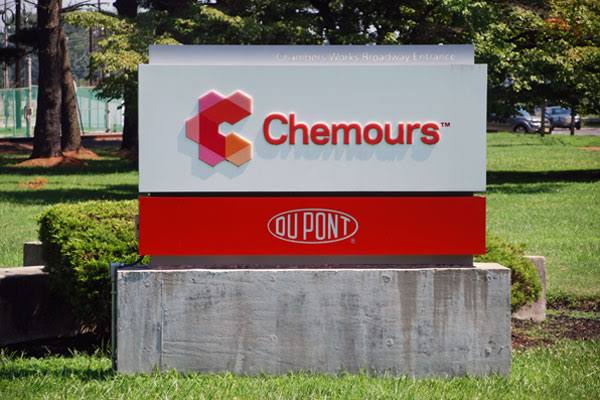
New Jersey's newly approved PFAS settlement carries an unusual historical significance: one of the industrial sites covered by the agreement is Chambers Works in Pennsville, the DuPont facility closely associated with the early development of PFAS chemistry.
A DuPont scientist discovered the first PFAS compound in 1938, marking the beginning of a chemical story that would eventually transform industries ranging from nonstick cookware and textiles to electronics, automotive components and industrial applications. Nearly nine decades later, Chambers Works is part of a major settlement addressing environmental claims connected to PFAS contamination.
For chemical traders, importers and procurement managers, the development offers more than a historical footnote. It illustrates how chemical innovations can create value for decades while their environmental consequences can remain relevant across multiple generations of production, regulation and corporate restructuring.
Chambers Works Sits at the Center of PFAS History
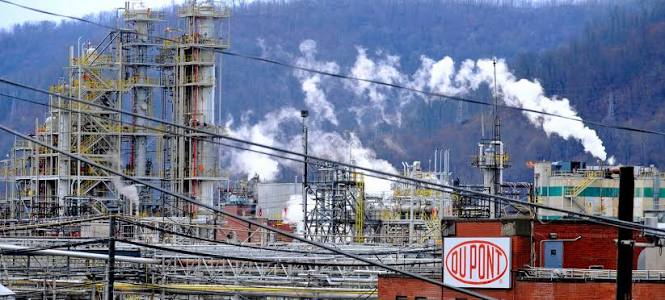
Chambers Works, located in Pennsville, New Jersey, has a long association with DuPont's chemical manufacturing operations.
The site's significance extends beyond its role as an industrial facility.
In 1938, a DuPont scientist working with fluorinated compounds discovered the first PFAS compound. That discovery ultimately became part of a much larger field of chemistry involving highly stable fluorinated substances.
The chemistry later enabled products with properties such as:
Heat resistance
Chemical resistance
Water resistance
Oil resistance
Low friction
High durability
These characteristics made fluorinated chemistry valuable across numerous industrial applications.
From Laboratory Discovery to Global Industry
The history of PFAS demonstrates how quickly a laboratory discovery can develop into a major industrial value chain.
What began with research into fluorinated compounds eventually contributed to the development of materials used in:
Consumer products → Industrial equipment → Electronics → Automotive systems → Aerospace → Advanced manufacturing
For decades, the performance characteristics of these materials provided significant commercial advantages.
The same chemical stability that made PFAS valuable, however, later became one of the reasons regulators became increasingly concerned about their persistence in the environment.
Why the Chambers Works Settlement Matters
The inclusion of Chambers Works in New Jersey's recently approved settlement connects the industry's earliest PFAS history with today's environmental liability framework.
The settlement involving DuPont-related entities forms part of a broader $2.5 billion PFAS resolution, including approximately $875 million from DuPont-related companies and payments from 3M.
For New Jersey, the agreement provides a mechanism for addressing contamination claims and funding environmental programs.
For the chemical industry, it demonstrates how historical manufacturing sites can remain financially and legally relevant many decades after the original chemistry was developed.
The Long Life of Chemical Liabilities
Chemical manufacturing has a unique characteristic: the commercial life of a product can be much shorter than the potential life of its environmental liability.
A chemical may be manufactured for decades, but contamination-related questions can continue long after:
Production changes → Plants close → Businesses are sold → Companies restructure
This is particularly relevant for PFAS because of the persistence associated with many substances in the broader chemical family.
For chemical companies, environmental liability therefore needs to be considered over a much longer time horizon than normal product planning.
A Lesson in Innovation Risk
The Chambers Works story also highlights a broader issue surrounding chemical innovation.
When a new molecule or material is developed, its commercial applications may not yet be fully understood.
A technology can initially be valued for:
Performance → Durability → Efficiency → Cost advantages
while future regulatory considerations may develop decades later.
This creates a difficult challenge for chemical companies investing in new technologies today.
The most commercially successful chemistry may eventually face the greatest scrutiny if its environmental profile becomes a regulatory concern.
Why This Matters for Chemical Traders
For chemical traders, the story provides an important reminder that regulatory history can influence markets long after a product first reaches commercial scale.
PFAS restrictions and environmental litigation can affect:
Product availability
Manufacturing capacity
Supplier portfolios
Export markets
Compliance requirements
Customer specifications
Traders dealing with fluorinated chemicals increasingly need to understand not only price and availability but also regulatory classification and future market access.
Procurement Teams Face a Changing Fluorochemical Landscape
Industrial buyers using fluorinated materials may need to reassess long-term sourcing strategies as regulations evolve.
Procurement teams should consider:
Is the product affected by current PFAS restrictions?
Are alternative chemistries available?
Can the supplier provide regulatory documentation?
Is production capacity expected to remain stable?
Could future restrictions affect the product's marketability?
These questions are becoming increasingly important for companies purchasing materials with specialized performance characteristics.
The Settlement Does Not End PFAS Regulation
The Chambers Works settlement should not be interpreted as the end of PFAS-related activity.
Governments continue to examine:
Drinking-water contamination
Industrial emissions
Product restrictions
Environmental remediation
Reporting requirements
Cleanup standards
A financial settlement can resolve specific claims without eliminating the broader regulatory debate surrounding PFAS.
For chemical companies, this means compliance requirements will remain an important part of long-term planning.
The Corporate History Is Also Important
The Chambers Works case demonstrates why chemical-company history can matter when evaluating current liabilities.
Modern chemical companies may not look identical to the organizations that operated facilities decades ago.
Businesses can move through:
Parent companies → Spin-offs → Mergers → Asset sales → New corporate entities
Yet the environmental history of a facility remains.
This makes corporate genealogy an increasingly valuable tool for investors and chemical-market analysts.
What Investors Should Watch
Investors evaluating chemical companies with historical PFAS exposure should monitor several areas.
Environmental Reserves
Higher expected remediation costs can affect future cash flows.
Legal Settlements
Large agreements can provide greater visibility into potential liabilities.
Asset Transfers
Corporate restructuring may affect how environmental obligations are allocated.
Product Restrictions
New regulations can affect the future value of fluorochemical portfolios.
Alternative Chemistry
Companies developing PFAS replacements could benefit as customers search for compliant materials.
A Growing Market for PFAS Alternatives
One of the most important commercial consequences of PFAS regulation is the growing search for alternatives.
Manufacturers are evaluating alternative materials for applications requiring:
Water repellency
Oil resistance
Heat resistance
Chemical resistance
Low friction
Surface protection
This creates opportunities for specialty-chemical companies developing replacement technologies.
For chemical traders, the transition could eventually produce new sourcing categories alongside declining demand for restricted applications.
What Procurement Teams Should Do
Companies dependent on fluorinated chemistry should avoid waiting until regulations force an immediate substitution.
A more resilient strategy is to:
Map PFAS-containing products across the supply chain.
Identify alternative materials.
Qualify secondary suppliers.
Monitor regulatory changes.
Review long-term contracts.
Maintain documentation on chemical composition and compliance.
Early preparation can reduce the risk of sudden supply disruption.
The Broader Chemical Industry Lesson
The history of Chambers Works demonstrates how closely innovation, industrial scale and regulation are connected.
A chemical discovery can create:
New technology → New products → New markets → Global supply chains
But decades later, it can also create:
Environmental questions → Regulation → Litigation → Remediation costs
That does not mean chemical innovation should stop.
Instead, it highlights the importance of incorporating environmental performance and lifecycle considerations into the development of future materials.

Methanol
Found this useful?