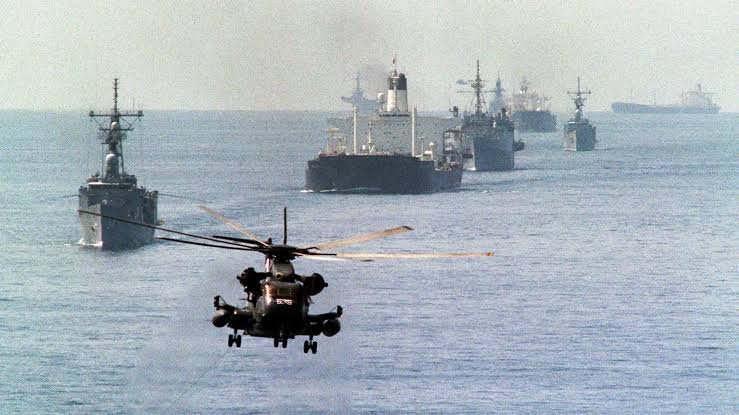
The petrochemical trade is entering a more uncertain phase after nine consecutive nights of US strikes on Iran, while Tehran attempts to force ships through its own territorial waters. For chemical traders, procurement managers and industrial buyers, the immediate concern extends beyond the conflict itself. Every additional night of disruption increases pressure on shipping routes, freight availability, insurance costs and delivery schedules.
The risk is particularly serious for businesses that depend on imported feedstocks, polymers and chemical intermediates. Even when physical production continues, uncertainty around vessel movements can quickly change the economics of a cargo. A disruption that lasts longer can affect the entire chain from crude and naphtha to plastics, solvents and finished industrial products.
Nine Nights of Strikes Change the Risk Calculation
The latest escalation has created a market environment where traders must plan around uncertainty rather than rely on normal shipping patterns. With the conflict continuing for nine consecutive nights, companies face growing questions about whether the disruption will remain temporary or develop into a longer regional supply shock.
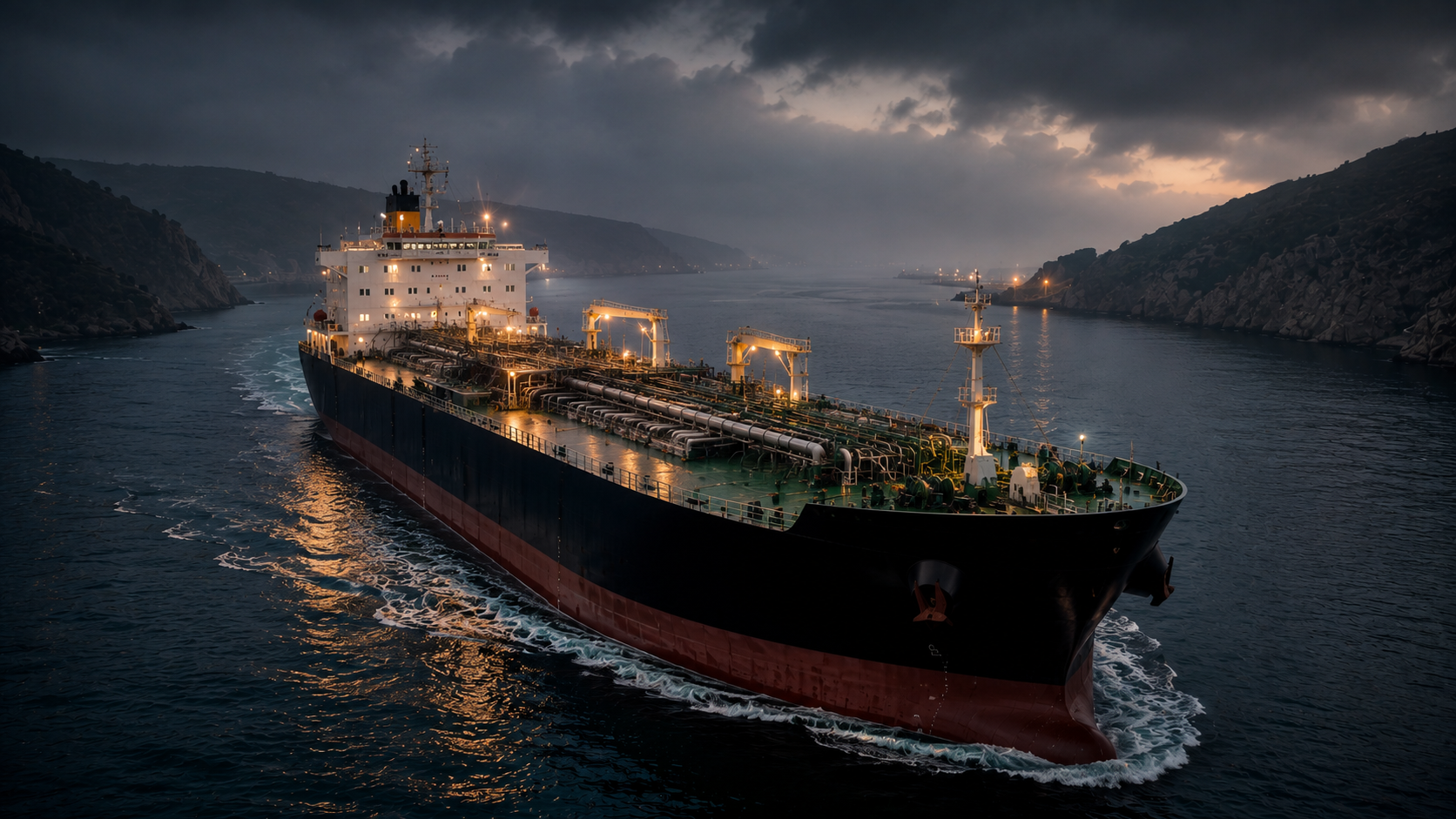
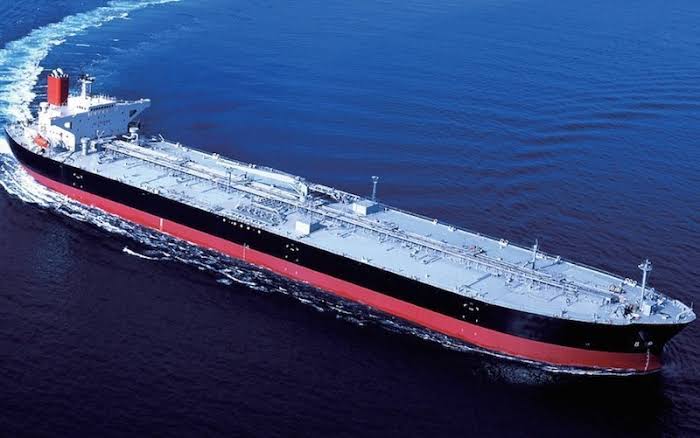
Tehran's efforts to force ships through its own territorial waters add another layer of complexity. Tankers and commercial vessels now face a more complicated operating environment, with route decisions influenced by security conditions, government pressure and the possibility of further escalation.
For petrochemical buyers, the key issue is not only whether a vessel can move. The bigger question is whether cargoes can move reliably, at predictable cost and within the delivery windows required by downstream manufacturing.
Why Petrochemical Traders Are Preparing for a Longer Disruption
Petrochemical markets react quickly when transportation becomes uncertain. Buyers may delay purchases when prices rise sharply, while sellers may hold cargoes back until they have greater visibility on freight and route security.
Several factors are encouraging traders to prepare for a prolonged disruption:
Shipping uncertainty is increasing. Vessel operators may reconsider routes, delay departures or seek alternative navigation plans when security conditions change rapidly.
Freight costs can rise before physical shortages appear. A limited number of available vessels can create intense competition for space, especially for time-sensitive chemical cargoes.
Insurance and risk premiums may add to landed costs. Higher exposure to conflict zones can make transportation more expensive even when the product itself remains available.
Procurement teams may build precautionary inventories. Additional buying can tighten spot availability and create short-term price pressure across selected petrochemical products.
This combination creates a market where price movements may reflect logistics risk as much as production fundamentals.
The Strait Factor Is Becoming More Important
The maritime route at the centre of the disruption plays a critical role in the movement of energy and chemical cargoes. When vessels face pressure to use specific waters or routes, operators must balance commercial schedules against security concerns.
For petrochemical traders, route changes can have several consequences. A longer voyage may increase fuel consumption, extend transit times and delay the arrival of feedstocks at manufacturing facilities.
The effects can spread quickly across multiple products. Naphtha, liquefied gases, aromatics and other petrochemical inputs may face higher delivery costs, while downstream products such as polyethylene, polypropylene and chemical solvents can experience additional supply uncertainty.
The longer vessels remain exposed to route disruption, the more likely logistics costs become a central factor in price formation.
What the Disruption Means for Chemical Supply Chains
Chemical supply chains often depend on precise timing. A plant may have sufficient production capacity but still face operational pressure if key feedstocks arrive late.
This makes transportation disruption particularly important for industries that rely on continuous production. Plastics manufacturers, packaging producers, coatings companies and industrial chemical processors may need to adjust purchasing plans when delivery windows become less reliable.
The most exposed businesses are often those that:
Depend heavily on a single import route or supplier region.
Operate with minimal inventory to reduce working capital.
Purchase spot cargoes instead of maintaining long-term supply agreements.
Require specific grades or specifications that cannot be replaced easily.
Have limited access to alternative ports or transportation routes.
Procurement teams that previously focused primarily on product price may now need to evaluate delivered cost, route reliability and supply continuity together.
Freight, Insurance and Delivery Delays Could Reshape Pricing
A disruption in maritime traffic does not need to stop all shipments to affect chemical markets. Even a moderate reduction in vessel availability can change freight economics.
Traders may face higher costs when ships take longer routes or when owners require additional compensation for operating in a higher-risk environment. These costs eventually influence the price paid by importers and industrial buyers.
Delivery delays can create additional pressure. A chemical manufacturer may need to purchase replacement material from a more distant supplier, while a distributor may have to secure smaller parcels at a premium to cover an immediate customer requirement.
The result can be a widening gap between the nominal product price and the actual delivered cost. Buyers should therefore avoid evaluating offers solely on the quoted chemical price.
Which Petrochemical Buyers Face the Greatest Exposure?
The impact will vary across industries and regions. Buyers with flexible sourcing networks may be able to switch suppliers more easily, while companies tied to specific origins or shipping routes could face greater pressure.
The most vulnerable demand segments may include:
Plastic and polymer manufacturers that require regular feedstock deliveries for continuous production.
Packaging producers dependent on consistent polymer availability and predictable delivery schedules.
Paint and coating manufacturers that purchase solvents, resins and chemical intermediates from international markets.
Chemical distributors that must maintain inventory for multiple downstream customers.
Industrial manufacturers that depend on imported specialty chemicals with limited substitute options.
Companies with stronger regional supplier networks may have more options. However, even alternative sources can become more expensive when a major shipping disruption affects broader freight markets.
Procurement Strategies Are Shifting From Lowest Price to Supply Security
The current environment is forcing many buyers to reconsider how they evaluate chemical offers. A low-priced cargo may not remain the most competitive option if it carries a high risk of delay.
Procurement teams should focus on several practical questions:
Can the supplier offer a realistic alternative shipping route? Route flexibility can become a major advantage when normal maritime traffic faces disruption.
Does the supplier have access to more than one origin? Multi-origin sourcing reduces dependence on a single production or logistics corridor.
How much inventory can the buyer safely hold? Additional stock may protect production from short-term delays, although it also increases financing and storage costs.
What is the supplier's delivery track record? Reliability becomes especially important when market conditions are unstable.
Can the buyer secure partial shipments? Smaller and more frequent deliveries may provide greater flexibility than relying on one large cargo.
These questions can help companies reduce exposure without automatically overbuying.
Regional Supply Chains Could Gain More Attention
A prolonged disruption could encourage chemical buyers to strengthen regional sourcing networks. Companies that previously depended on long-distance imports may explore suppliers closer to their manufacturing facilities.
This does not mean global trade will disappear. International supply chains remain essential for many chemical products, particularly where production capacity is concentrated in specific countries.
However, the disruption may encourage a more balanced sourcing model that combines:
A primary international supplier for cost efficiency.
A regional supplier for faster replenishment.
Strategic inventory for short-term protection against delays.
This approach can increase procurement resilience while allowing buyers to maintain access to competitive global pricing.
The Longer-Term Market Outlook Depends on Duration
The central market question is how long the disruption continues. A short-lived crisis may create temporary freight volatility and precautionary buying before markets gradually stabilise.
A longer disruption could produce deeper effects. Traders may redirect cargoes, manufacturers may change purchasing patterns and buyers may permanently reconsider their dependence on vulnerable maritime corridors.
The longer the situation continues, the more likely it becomes that supply chain decisions will influence future contracts. Buyers may seek greater flexibility in delivery terms, suppliers may adjust shipping strategies and distributors may hold more inventory than they did before the escalation.
For petrochemical markets, duration matters because every additional week gives companies more time to adapt. At the same time, continued uncertainty can make those adaptations more expensive.
What Buyers Should Do Now
Chemical buyers should treat the current environment as a supply planning challenge rather than a simple price event. The best response involves monitoring logistics conditions closely, reviewing supplier exposure and preparing alternatives before an urgent shortage develops.
Procurement teams can strengthen their position by:
Checking the route and origin of every major imported cargo.
Comparing delivered costs rather than product prices alone.
Maintaining communication with multiple qualified suppliers.
Reviewing inventory levels for critical chemicals and polymers.
Building contingency plans for delayed vessels and higher freight costs.
Avoiding unnecessary dependence on a single trade corridor.
For traders, the disruption may create both risks and opportunities. Companies with reliable supply access, flexible logistics and strong supplier networks may gain an advantage as buyers place greater value on certainty.
The petrochemical market will continue to watch the conflict closely, but procurement decisions cannot wait for perfect clarity. Businesses that prepare for multiple scenarios will have more room to manage costs and protect production if the disruption continues.
Ready to source Petrochemical Trade from verified global suppliers? Explore competitive offers on our platform today.