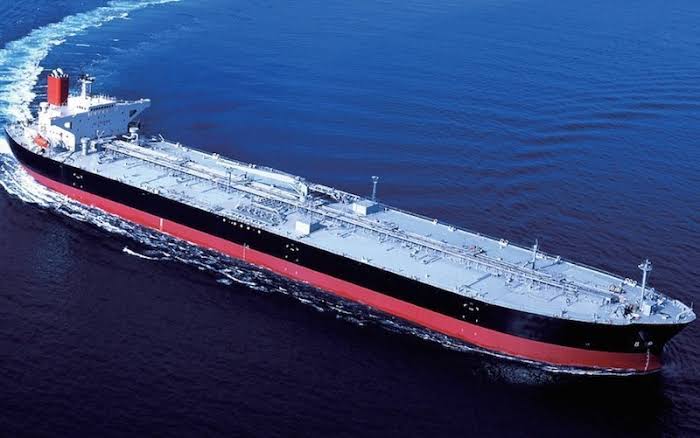
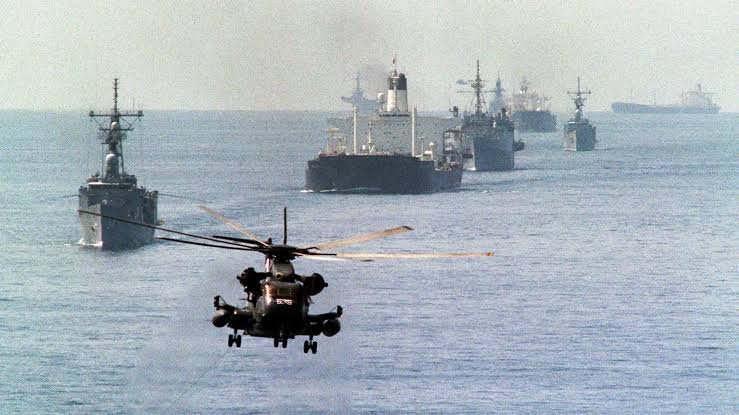
The US has bombed Iran for nine consecutive nights, creating a conflict timeline that chemical traders and procurement teams must evaluate alongside oil prices, shipping activity and supplier behaviour. The duration now matters as much as the initial event because repeated strikes can change how carriers, insurers and industrial buyers assess regional risk.
A single night of military action can generate a temporary market premium. Nine nights create a more persistent intelligence problem. Chemical buyers need to determine whether the conflict remains contained, disrupts Gulf trade or begins changing the physical cost of petrochemical feedstocks and international logistics. The most reliable assessment will come from connecting each stage of escalation with measurable market data rather than reacting to headlines alone.
Why Nine Consecutive Nights Change the Risk Assessment
The first night of a conflict often produces the sharpest emotional market response. Traders rapidly price uncertainty while companies wait for information about the scale, targets and likely duration of the action.
By the ninth consecutive night, the analytical focus changes. Markets begin assessing whether continued operations represent a sustained campaign rather than a limited event.
That distinction has direct implications for chemical procurement. A short disruption may affect spot prices without materially changing production or delivery schedules.
A prolonged campaign can influence shipping decisions, insurance terms and supplier inventory policies. It can also increase the probability that infrastructure, export routes or regional production systems face indirect disruption.
The duration therefore raises the importance of timeline analysis. Procurement teams need to identify when financial market stress begins moving into physical trade.
Building the Nine-Night Intelligence Timeline
An effective intelligence timeline should not record military developments alone. It should place operational events beside market responses to show whether risk is increasing, stabilising or spreading.
The nine-night period can be examined through four broad phases:
Nights one and two: Markets assess the initial scale of the operation. Oil prices, equity volatility and early shipping advisories provide the first commercial signals.
Nights three and four: Carriers and insurers begin evaluating whether the threat will persist. Freight quotations and risk premiums may start adjusting.
Nights five through seven: Buyers reassess inventory coverage, supplier exposure and delivery timelines. Chemical quotation validity may shorten.
Nights eight and nine: The conflict increasingly appears sustained. Procurement teams look for evidence of physical disruption rather than temporary market fear.
This framework helps intelligence teams avoid treating every new strike as an isolated event. Each night adds information about persistence, geographic reach and the probability of wider supply chain consequences.
The First Market Layer Is Oil Price Behaviour
Oil usually provides the fastest market response to renewed conflict involving Iran and the Gulf. Traders react quickly because the region plays a major role in crude production, refining and international exports.
The key signal is not simply whether oil rises after a strike. Intelligence teams should examine the size, duration and structure of the price move.
A short-lived increase may reflect an initial geopolitical premium. A sustained rise across several sessions suggests that traders see a greater probability of supply or shipping disruption.
Procurement teams should compare international crude benchmarks with refined product and petrochemical feedstock prices. Crude can rise sharply while specific chemical markets remain relatively stable due to weak demand or adequate inventories.
The reverse can also occur. Regional feedstock or freight pressure may remain elevated even after headline crude prices begin easing.
Shipping Data Shows Whether Risk Is Becoming Physical
Shipping activity provides one of the most valuable links between military escalation and industrial supply conditions.
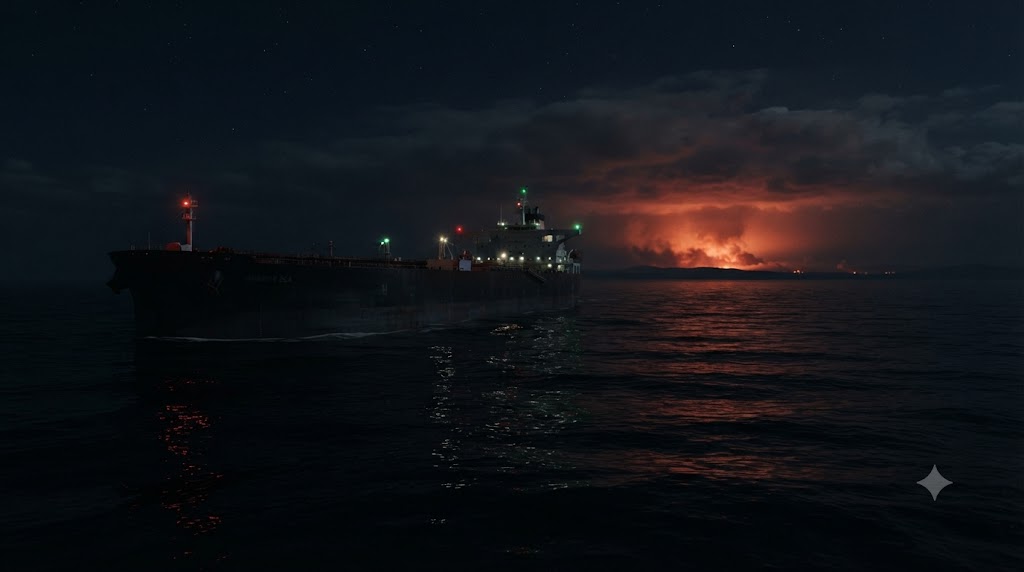
Commercial tankers may continue operating normally during the early phase of a conflict. As the campaign extends, carriers may change speed, route selection, port calls or scheduling.
Intelligence teams should monitor:
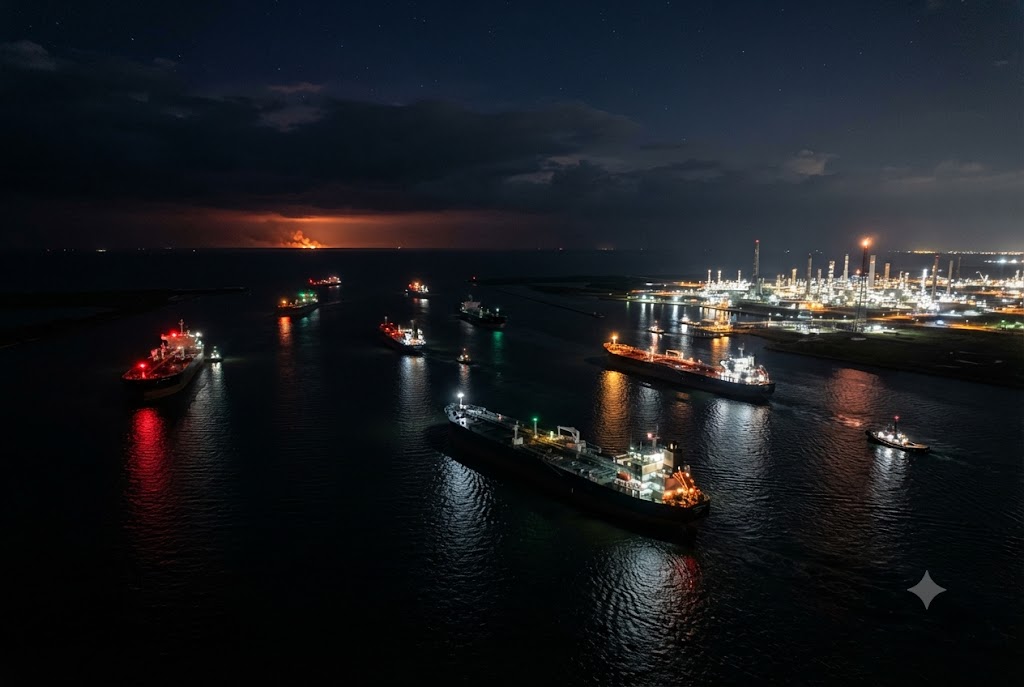
Tanker movements near Gulf export terminals and the Strait of Hormuz
Delays in vessel arrivals, departures and berth assignments
Changes in voyage routes or waiting times
Carrier notices affecting Gulf ports
Reduced availability of chemical and product tankers
Increases in freight quotations for regional cargoes
A change in shipping behaviour can matter before any formal closure or confirmed supply interruption. Carriers often adjust operations based on risk assessments rather than waiting for a physical incident.
For chemical importers, these changes can extend lead times and raise landed costs even when suppliers continue producing normally.
Insurance Premiums Can Reveal Hidden Market Stress
Marine insurance provides another early indicator of changing physical risk. Insurers price the probability of loss, delay and operational exposure across specific routes.
Nine consecutive nights of strikes can increase uncertainty even when commercial vessels have not suffered direct disruption. Insurers may respond through higher premiums, tighter conditions or additional requirements.
Chemical buyers do not always see these changes immediately because logistics providers may initially absorb or bundle the additional costs.
The impact becomes clearer when freight offers rise, shipment validity shortens or carriers request new commercial terms.
Intelligence teams should separate fuel-related freight increases from war-risk and insurance charges. These pressures have different causes and may persist for different periods.
A fuel surcharge can decline with oil prices. A security premium may remain until carriers and insurers believe the regional threat has materially reduced.
Petrochemical Feedstocks May React With a Delay
The chemical market impact of the conflict may not appear immediately. Producers often operate with existing feedstock inventories, supply contracts and scheduled production runs.
As the nine-night timeline extends, replacement costs become more important. Suppliers purchasing new feedstocks at higher prices may begin adjusting offers.
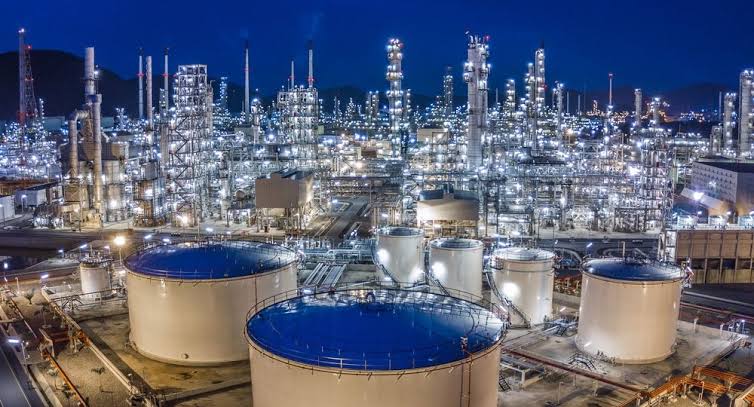
Products linked to oil, refinery output and Gulf petrochemical production deserve close attention. These can include aromatics, solvents, polymers and selected intermediates.
Xylene provides one example of a product whose economics can respond to changes in crude, refining and regional trade conditions.
However, chemical prices do not move automatically with oil. Plant utilisation, inventories and downstream demand still determine whether producers can pass through higher costs.
Intelligence teams should therefore monitor actual supplier quotations alongside energy benchmarks. The earliest warning may appear through shorter validity periods rather than immediate headline price increases.
Supplier Behaviour Can Mark the Shift From Risk to Disruption
Supplier behaviour often changes before official data confirms a physical market problem.
A producer may continue offering material but reduce the validity of its quotation. Another may limit available volumes or delay confirming shipment dates.
These changes indicate uncertainty around replacement cost or logistics even when production remains operational.
Procurement teams should track:
Price revision frequency
Quotation validity periods
Volume restrictions
Changes in payment terms
Delivery schedule reliability
New freight or risk surcharges
Supplier requests to renegotiate shipment windows
One change alone may reflect routine commercial activity. Several occurring together can signal that the conflict is moving from a geopolitical concern into a procurement issue.
How to Separate Headline Escalation From Physical Disruption
Nine nights of strikes create a high volume of news, but not every development carries equal commercial importance.
Intelligence teams should classify indicators into three levels.
Headline indicators include military announcements, political statements and market commentary. They shape expectations but may not affect physical supply.
Commercial indicators include freight offers, insurance premiums, quotation validity and supplier availability. These show that companies are adjusting behaviour.
Physical indicators include delayed vessels, lower export volumes, refinery disruptions and reduced chemical production. These provide the strongest evidence of supply chain impact.
This hierarchy prevents procurement teams from overreacting to every headline while still recognising early warnings.
The most important transition occurs when commercial indicators begin confirming the geopolitical narrative. That is often the point when buyers need to adjust inventory, sourcing or contract strategy.
Ranking Chemical Portfolio Exposure
The conflict will not affect every chemical equally. Procurement teams should rank exposure according to feedstock, geography and logistics.
Products deserve higher attention when they meet several conditions:
They depend on crude-derived or refinery-linked feedstocks.
Gulf producers represent a major share of available supply.
Shipments move through exposed regional routes.
Alternative suppliers require lengthy technical approval.
Freight represents a significant share of delivered cost.
Current inventory coverage remains limited.
Chemicals with diversified production origins and short replacement lead times carry lower immediate risk.
This ranking allows buyers to avoid blanket stock building. A targeted response protects critical materials without creating unnecessary working capital pressure.
What Would Signal a More Serious Supply Crisis
Nine consecutive nights already represent a sustained military timeline, but several additional indicators would raise the risk classification further.
A meaningful decline in Gulf export volumes would provide direct evidence of physical disruption. Extended vessel delays or widespread route changes would reinforce that signal.
Refinery outages, terminal interruptions or restrictions affecting the Strait of Hormuz would carry greater consequences for energy and petrochemical markets.
A coordinated rise in oil, tanker freight, marine insurance and chemical supplier offers would show that the shock is spreading across multiple layers of the supply chain.
Procurement teams should also watch inventory behaviour. Widespread precautionary buying can create temporary shortages even when production remains available.
The combination of physical disruption and defensive stock building would represent a much more serious scenario than price volatility alone.
What Intelligence Teams Should Track Next
The next stage of analysis should focus on whether the campaign continues beyond nine nights and whether its geographic or operational scope changes.
Teams should maintain a daily timeline linking military developments with:
Crude and refined product price movements
Petrochemical feedstock quotations
Tanker movements and port delays
Freight and insurance adjustments
Gulf export volumes
Chemical supplier terms
Customer inventory behaviour
The value comes from correlation. A military event becomes more commercially important when several market indicators respond in the same direction.
Intelligence teams should also record signs of stabilisation. Normal vessel movement, longer quotation validity and easing freight premiums can indicate that supply chains remain functional despite continued headlines.
What Chemical Procurement Teams Should Do Now
Nine consecutive nights of US strikes on Iran have moved the conflict beyond a single-event market shock. The duration now justifies structured monitoring across oil, shipping, insurance and chemical supply data.
Procurement teams should first identify high-exposure products and suppliers. Materials tied closely to Gulf feedstocks, regional production or Hormuz shipping routes require the strongest visibility.
Buyers should maintain regular contact with suppliers about production, freight availability and shipment schedules. They should also review alternative origins before disruption forces urgent qualification decisions.
Inventory increases should remain selective. Critical chemicals with long lead times may justify additional coverage, while broadly available products can follow normal purchasing discipline.
The strongest intelligence approach treats the nine nights as a connected timeline rather than a series of separate headlines. The market impact will become clearer through the interaction of prices, freight, insurance, exports and supplier behaviour.
Ready to source xylene from verified global suppliers? Explore competitive offers on our platform today.