Nine Organizations Join Covestro's Biobased Aniline Pilot Near Ghent, Belgium
Covestro's Ghent Biobased Aniline Pilot
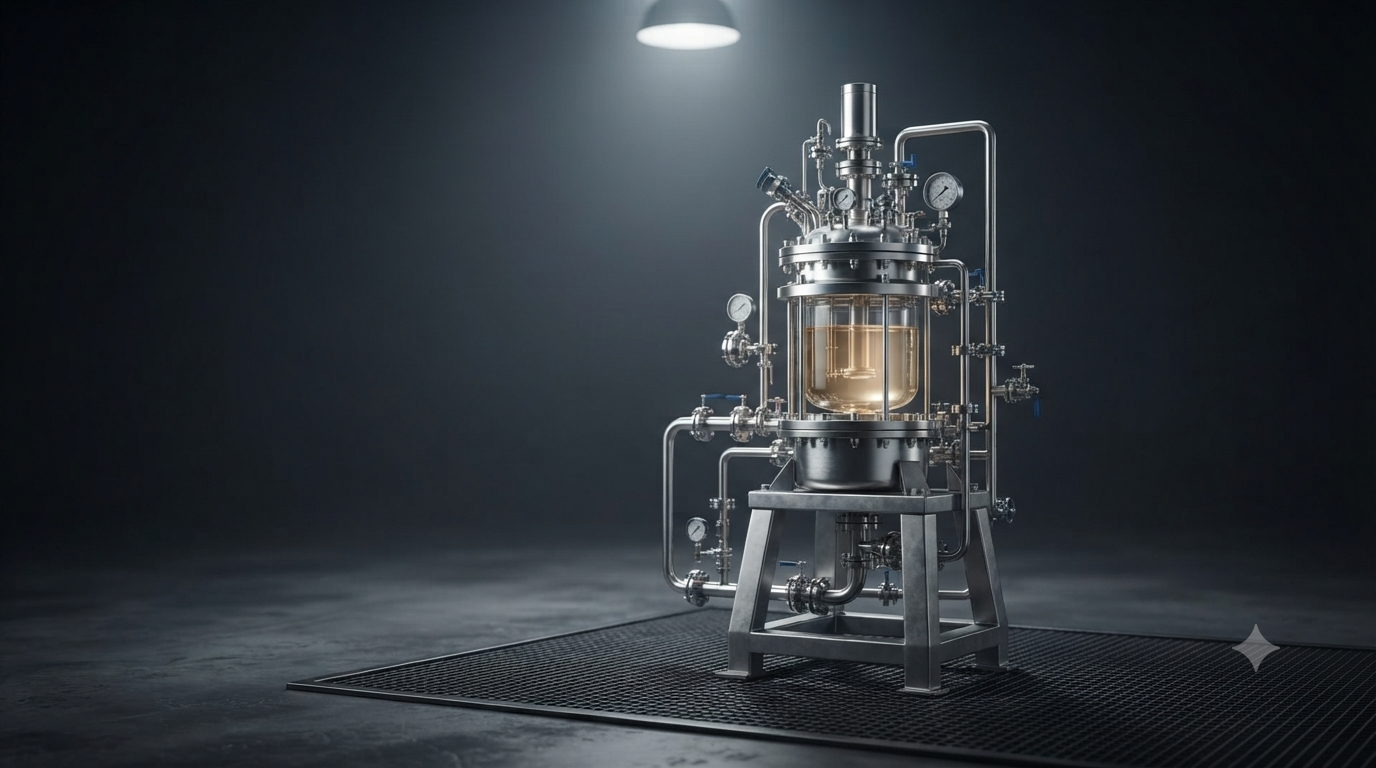
Developing a continuous, biobased process for aniline was never going to be a single-company effort, and Covestro's project makes that clear. The initiative, formally named the Bio-Based Continuous Production for Sustainable Polyurethane Industry project, now includes nine additional partner organizations alongside Covestro, with pilot-scale testing already underway at a facility near Ghent, Belgium. The consortium structure and the choice of pilot location both say something meaningful about how this technology is expected to move from concept to commercial reality.
Why a Ten-Organization Consortium
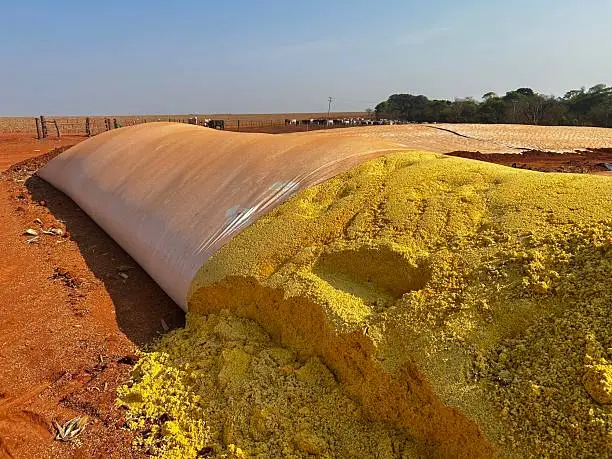
Projects of this scale rarely succeed as a single company's internal R&D effort, particularly when the goal spans biomass feedstock sourcing, novel catalytic chemistry, continuous process engineering, and eventual scale-up to industrial volumes. Bringing in nine additional organizations allows the project to draw on specialized expertise across what is likely a fairly broad set of technical domains:
Biomass feedstock development and agricultural or forestry supply chain expertise, since sourcing a consistent, scalable bio-based input is a prerequisite for any viable process.
Catalysis and chemical process research, given that converting biomass-derived intermediates into aniline at commercially relevant purity and yield requires specialized reaction chemistry.
Process engineering and scale-up capability, particularly relevant to the continuous production element of the project, which demands different equipment and control systems than traditional batch chemistry.
Testing, validation, and potentially regulatory or sustainability certification support, to ensure any resulting product meets both technical specifications and environmental claims.
Consortium-based EU research projects of this type are a common structure specifically because they spread both cost and technical risk across multiple organizations, while also building a broader base of stakeholders with a vested interest in the technology's eventual commercial success.
Why Ghent, Belgium
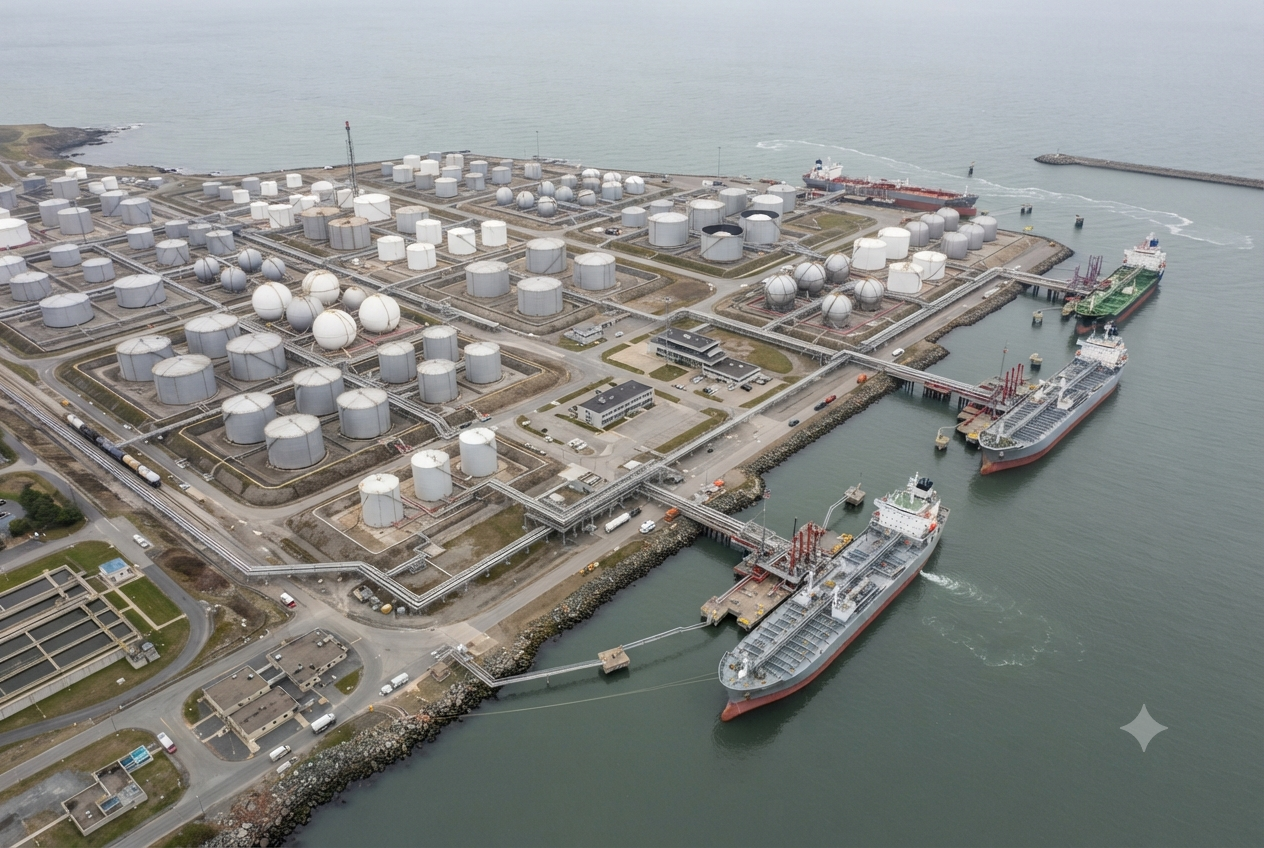
The choice of a pilot facility near Ghent is not incidental. Belgium, and the port city of Ghent specifically, sits within one of Europe's most established chemical and petrochemical manufacturing corridors, with deep existing infrastructure for chemical processing, logistics, and industrial-scale testing. Locating pilot testing there offers a few practical advantages:
Proximity to established chemical industry infrastructure and skilled technical labor, which can meaningfully reduce the operational complexity of running pilot-scale trials.
Strong logistics connectivity for both biomass feedstock inputs and eventual product distribution, given Ghent's port access and integration into broader European supply chains.
Regulatory and permitting familiarity, since the region has extensive experience supporting chemical process development and industrial trials under EU frameworks.
What Pilot-Scale Testing Actually Tells Us
Reaching the pilot stage is a meaningful milestone, but it's worth being precise about what it does and doesn't confirm. Pilot-scale testing typically validates that a process works reliably at a scale well beyond lab bench conditions, producing data on yield consistency, energy consumption, and equipment performance under more realistic operating conditions. It does not, on its own, confirm that the process is economically competitive with conventional petrochemical aniline production at full commercial volumes. That determination usually comes later, once the project has gathered enough operational data to model full-scale production costs against existing market benchmarks.
Given the project's timeline running to December 2029, the Ghent pilot phase likely represents an intermediate step, with further scale-up decisions dependent on how the technology performs under continuous operation over an extended testing period.
What a Broad Consortium Signals to the Market
The involvement of nine additional organizations, beyond simply providing technical capability, also signals a level of industry-wide interest in solving the biobased aniline problem that extends past Covestro's own commercial motivations. For competitors and suppliers across the polyurethane value chain, a multi-stakeholder project like this one is often an early indicator of where an entire industry segment expects future feedstock and process innovation to concentrate, rather than a single company's isolated bet.
What Buyers Should Track From Here
Pilot-scale testing near Ghent marks a tangible step forward for this project, but commercial-scale biobased aniline production remains years away, with the broader timeline extending to December 2029. Buyers and suppliers tied to polyurethane and MDI value chains should watch for updates on pilot performance data and any signals about which consortium members may play a role in eventual commercial scale-up. A ten-organization effort of this size suggests meaningful industry conviction behind the technology, but it will take sustained pilot results before this shifts from a promising research initiative to a viable alternative sourcing pathway.
Ready to source polyurethane feedstocks from verified global suppliers? Explore competitive offers on our platform today.
Propylene Oxide
Found this useful?