NJ Settlement's Remediation Fund Could Indirectly Support Agricultural Water Quality
NJ Settlement's Remediation Fund Could Indirectly Support Agricultural Water Quality
Introduction
New Jersey's recently approved PFAS settlements could provide long-term funding for water-quality improvements that extend beyond drinking-water systems and potentially benefit agricultural areas indirectly.
On August 7, 2026, a federal judge approved more than $2.5 billion in PFAS settlements involving DuPont, Chemours, Corteva, and 3M. The agreements include funding for environmental remediation, natural-resource restoration, and PFAS abatement across New Jersey.
Although the settlement funds are primarily directed toward PFAS abatement and environmental restoration rather than agricultural programs specifically, improvements to groundwater, surface water, and broader watershed conditions could have implications for agricultural water quality.
Settlement Creates Significant Remediation Funding
The DuPont-related settlement requires DuPont, Chemours, and Corteva to provide $875 million over 25 years for natural-resource damages and other obligations. The companies will also establish a remediation funding source of up to $1.2 billion, along with an additional $475 million reserve intended to ensure cleanup responsibilities are funded.
These commitments cover four former industrial sites and include projects addressing PFAS and other contamination affecting drinking water and environmental resources.
The scale and duration of the funding mean that remediation activities could continue influencing water-management infrastructure and environmental conditions across affected areas for many years.
PFAS Abatement Fund Targets Water Infrastructure
New Jersey has established a framework for directing PFAS settlement proceeds toward eligible abatement activities.
State budget documents indicate that up to $795 million from the 3M and DuPont settlements could be placed into a dedicated PFAS Abatement Fund. Priority areas include drinking-water and clean-water infrastructure, treatment of private potable wells, and investigation and response at locations such as landfills, airports, and fire-training facilities.
The funds are not specifically designated as agricultural grants. However, investments in water infrastructure and contamination control can have wider watershed benefits.
Potential Connection to Agricultural Water Quality
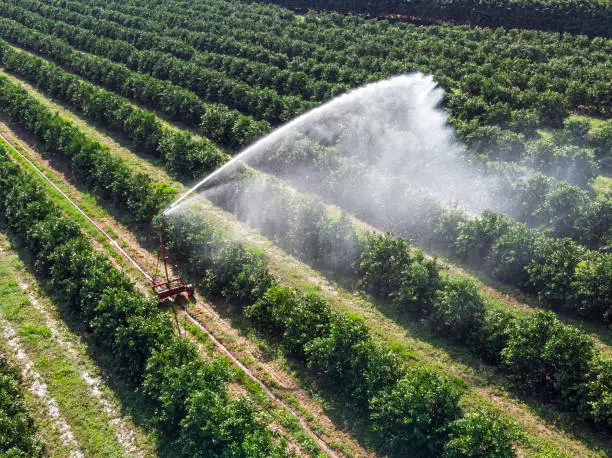
Agricultural operations depend on reliable supplies of water for irrigation, livestock, crop production, and other activities.
Where PFAS contamination affects groundwater or surface-water resources, remediation and monitoring can potentially improve the quality and reliability of water resources used by surrounding communities and businesses.
For agricultural areas located within or downstream of affected watersheds, improvements to water treatment, contamination monitoring, and environmental restoration could therefore provide an indirect benefit.
The exact agricultural impact will depend on the location of projects selected by New Jersey authorities and the extent to which agricultural water sources are connected to affected contamination pathways.
Groundwater Protection Could Be Particularly Important
Groundwater is an important resource for many agricultural operations, particularly where private wells or local groundwater systems contribute to water supply.
New Jersey's PFAS settlement framework includes funding for investigation and treatment of private potable wells. The state's broader PFAS programs also emphasize identifying contamination and ensuring affected water supplies receive appropriate treatment.
While the settlement provisions focus primarily on potable water, better characterization and treatment of contaminated groundwater can contribute to broader environmental risk management.
Natural-Resource Restoration Adds Another Layer
The settlement also provides funding for natural-resource damages and restoration.
The DuPont, Chemours, and Corteva agreement includes $875 million over 25 years for natural-resource and other damages, while the broader settlement structure includes significant remediation commitments for former industrial sites.
Natural-resource restoration can involve activities designed to improve or protect affected environmental systems. Where waterways, wetlands, or connected ecosystems overlap with agricultural landscapes, restoration efforts could potentially support healthier surrounding water resources.
Agricultural Impact Will Likely Be Indirect
It is important to distinguish between agricultural water-quality benefits and direct agricultural funding.
The settlement funds are not primarily structured to subsidize farmers or directly finance agricultural irrigation systems. Instead, their purpose is to address PFAS contamination, restore natural resources, and improve public and environmental health.
Any benefit to agriculture would therefore likely occur through improvements in shared environmental resources, including cleaner water sources, better contamination monitoring, and improved treatment infrastructure.
Importance for Water-Dependent Industries
Agriculture is one of several sectors that could benefit from stronger water-quality management.
Other potentially affected sectors include:
Food processing
Fisheries and aquaculture
Manufacturing
Municipal water systems
Recreation and tourism
Livestock production
Commercial businesses dependent on clean water
A more coordinated approach to PFAS remediation could therefore produce benefits across multiple parts of New Jersey's economy.
PFAS Monitoring Could Improve Risk Management
The expansion of PFAS monitoring is another potential long-term benefit.
Better testing can help identify contamination before it becomes a larger environmental or economic problem. For agricultural stakeholders, improved information about water quality could help farmers and water managers make more informed decisions about irrigation sources and other water uses.
However, monitoring alone does not eliminate contamination. Long-term risk reduction will depend on effective treatment, source control, remediation, and continued regulatory oversight.
Broader Implications for New Jersey's Water Strategy
The settlements come as New Jersey continues developing dedicated mechanisms for managing PFAS-related funds.
State budget documents indicate that settlement proceeds deposited into the PFAS Abatement Fund can only be used for eligible abatement actions consistent with the governing settlement agreements and consent orders. The Department of Environmental Protection is responsible for selecting eligible projects.
This structure could allow the state to prioritize projects according to environmental risk and unmet water-quality needs rather than distributing the money as unrestricted funding.
Looking Ahead
The agricultural impact of New Jersey's PFAS settlements will depend heavily on how remediation funds are ultimately deployed.
If investments improve contaminated groundwater, strengthen water-treatment infrastructure, restore affected natural resources, and improve monitoring across connected watersheds, agricultural communities could benefit indirectly from a healthier water environment.
However, these benefits should not be assumed to occur uniformly across the state. The location of contamination, agricultural water sources, project selection, and future environmental conditions will determine the actual impact.
Conclusion
New Jersey's PFAS settlements represent a major long-term investment in environmental remediation and water-quality protection. While the funds are not specifically designed as an agricultural support program, their focus on water infrastructure, private wells, natural-resource restoration, and PFAS abatement could indirectly benefit agriculture in affected areas.
For farmers and other water-dependent industries, the most important potential outcome is improved protection of shared water resources.
As New Jersey begins implementing the settlement-funded projects, the effectiveness of remediation and water-quality improvements will determine how far these environmental investments extend beyond their immediate PFAS cleanup objectives and into the wider agricultural and economic landscape.

Magnesium Sulfate Heptahydrate
Found this useful?