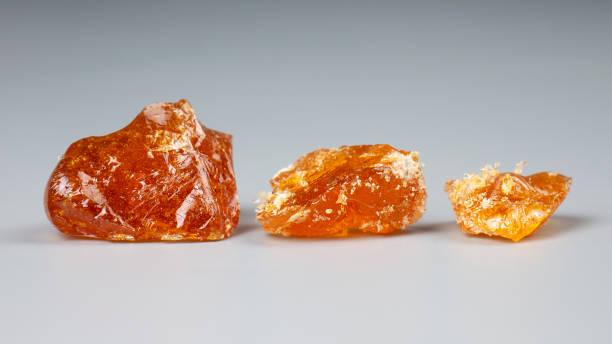
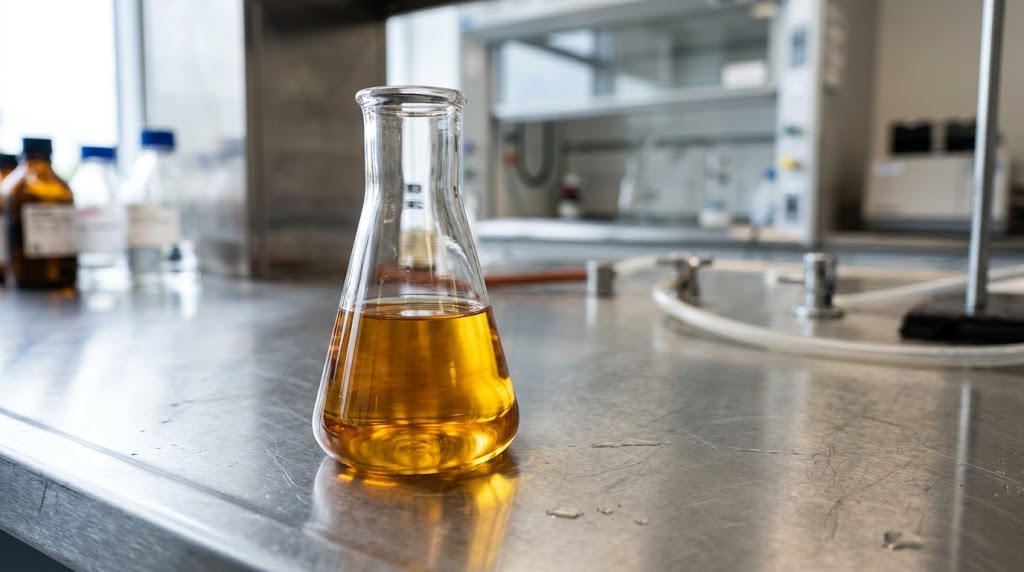
In an era when geopolitical tensions can choke global supply chains, the Nordic region’s tall oil stands out as a stable, renewable alternative. Tall oil is a by‑product of the kraft pulping process, harvested from the steam‑treated bark of spruce and pine trees. It contains a blend of fatty acids, rosin acids and resin acids that can be transformed into a wide array of chemical products. Unlike petro‑derived materials sourced from the Persian Gulf, tall oil is produced locally, securing the chemical industry against regional disruptions.
What Is Tall Oil?
During kraft pulping, wood chips are cooked in a caustic soda‑sulfurous acid solution. The process liberates lignin and produces a liquid waste stream rich in organic acids. This stream is then distilled to recover tall oil, a viscous, brownish substance. Its main constituents are:
Fatty acids – primarily oleic, linoleic and linolenic acids, useful for polymer synthesis.
Rosin acids – a mixture of abietic, pimaric and dehydroabietic acids, key for resin production.
Resin acids – including resiniferatoxin and other phenolic compounds, valuable in specialty chemicals.
These components can be chemically modified into a variety of products, from basic building blocks to high‑performance materials.
Renewable Chemical Applications
Alkyd Resins for Coatings
Alkyd resins are a cornerstone of the coatings industry, traditionally derived from petro‑based oils. By reacting fatty acids from tall oil with epichlorohydrin, manufacturers produce tall‑oil alkyds that exhibit excellent film‑forming, durability and resistance to weathering. The resulting coatings are popular for automotive, architectural and protective applications.
Printing Inks
Printing inks demand high viscosity and fast drying times. Tall oil rosin acids can be esterified with alkyl phenols to create tackifiers and resins that stabilize ink formulations. These bio‑based inks deliver comparable performance to conventional petroleum‑derived inks while reducing volatile organic compound (VOC) emissions.
Adhesives and Sealants
Adhesive formulations benefit from the tackiness and surface‑energy characteristics of tall oil fatty acids. When blended with epoxy or polyurethane backbones, tall oil‑based adhesives offer strong bonding, chemical resistance and lower environmental impact. They are especially useful in construction, packaging and automotive assembly.
Beyond polymers, tall oil is a source of fatty acid methyl esters (FAMEs) and rosin acid derivatives used in surfactants, lubricants and biodegradable plastics. The versatility of tall oil allows chemical procurement teams to diversify portfolios and reduce reliance on imported feedstocks.
Supply Chain Resilience in the Nordic Chemical Industry
The Nordic chemical sector is built on a robust forest‑based economy. Key factors that reinforce resilience include:
Geographic Proximity – Tall oil is produced within 1,000 km of major consumption centers, cutting transportation costs and lead times.
Integrated Supply Chains – Many pulp mills own downstream refineries, ensuring seamless conversion from bark to finished chemical.
Regulatory Support – EU and national policies incentivize renewable feedstocks, providing subsidies and research grants.
Industry Collaboration – Consortia such as the Nordic Forest Industries and the Baltic Chemical Association share technology and best practices, mitigating individual company risk.
By contrast, petro‑chemical feedstocks sourced from the Hormuz region are subject to oil price volatility, shipping bottlenecks and political instability. Adopting tall oil as a primary feedstock thus insulates Nordic manufacturers from external shocks and aligns with circular economy principles.
Case Studies: Nordic Companies Leveraging Tall Oil
Stora Enso – Bio‑Based Coatings
Stora Enso has developed a portfolio of tall‑oil alkyd resins that replace 70% of the petroleum content in automotive clear coats. The company reports a 25% reduction in carbon footprint and a 10% cost savings per ton of finished product.
PPG Industries – Sustainable Printing Inks
PPG’s Nordic division uses tall oil rosin acids in its high‑performance ink formulations for packaging. The inks meet the stringent low‑VOC requirements of the European Union while maintaining print clarity and durability.
Axpo Chemical – Specialty Adhesives
Axpo’s research team has engineered a tall oil‑based polyurethane adhesive that meets the bonding strength standards of the aerospace sector. The adhesive is certified for use in aircraft interiors, showcasing the high‑performance potential of renewable feedstocks.
Challenges and Opportunities
While tall oil offers a renewable alternative, certain hurdles remain:
Feedstock Variability – Seasonal changes in bark composition can affect tall oil quality. Continuous monitoring and blending strategies mitigate this issue.
Capital Investment – Upgrading pulp mills to include distillation and downstream processing requires significant upfront costs. Public‑private partnerships can accelerate deployment.
Market Acceptance – Some end‑users still prefer conventional petro‑derived chemicals. Educational campaigns and performance demonstrations help shift perception.
Nevertheless, the opportunities are compelling. As climate regulations tighten, the demand for low‑carbon feedstocks will grow. Tall oil’s established supply chain, combined with technological advances in conversion processes, positions it as a cornerstone of the Nordic chemical strategy.