Nouryon’s First U.S. Solar Project Cuts Emissions at Morris, Illinois Plant
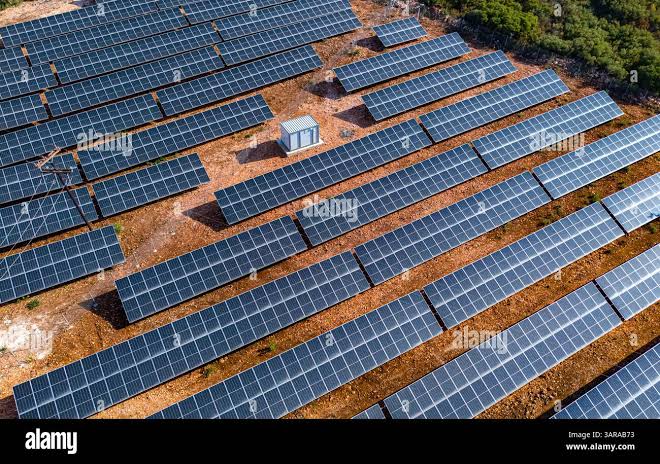
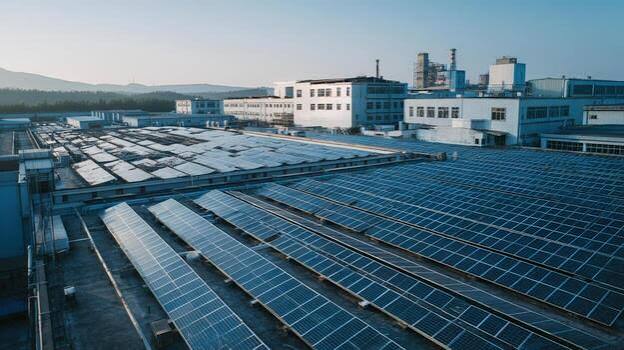
Nouryon has brought its first U.S. on-site solar project online at its Morris, Illinois manufacturing plant, adding renewable electricity directly to a specialty chemicals production site. The installation, developed with Convergent Energy and Power, is expected to generate approximately 3,400 MWh of electricity each year.
For chemical manufacturers, the project highlights how on-site renewable power can become part of broader energy and emissions strategies. The Morris installation should meet around 10% of the facility’s electricity demand and avoid roughly 1,152 tonnes of greenhouse gas emissions annually, giving Nouryon a practical way to increase renewable electricity use at one of its U.S. operations.
Why Nouryon’s Morris Solar Project Matters
Chemical manufacturing requires reliable energy for production equipment, utilities, process systems and supporting infrastructure. Electricity sourcing therefore plays an important role in both operating costs and environmental performance.
The Morris project puts renewable generation directly at the manufacturing site rather than relying solely on external electricity procurement. This approach can give industrial operators a clearer connection between renewable energy investment and day-to-day plant electricity consumption.
Nouryon describes the project as its first solar installation in the United States. It also forms part of the company’s wider effort to increase the amount of electricity it obtains from renewable and low-carbon sources across its global manufacturing network.
How the Illinois Solar Installation Supports Energy Demand
The Morris installation will produce approximately 3,400 megawatt-hours of electricity per year. Nouryon expects that output to cover around 10% of the electricity consumed at the site.
That percentage is significant because chemical plants often operate continuously and depend on stable energy supplies. On-site solar does not replace every electricity source required by a manufacturing facility, but it can contribute a measurable share of annual demand.
The project was developed in partnership with Convergent Energy and Power, with the electricity supplied directly to the Morris facility. Nouryon had previously announced a long-term power purchase agreement connected with a 2 MW solar installation at the site.
The Emissions Reduction Potential for Chemical Manufacturing
The Morris solar project is expected to avoid approximately 1,152 metric tonnes of greenhouse gas emissions every year. For industrial companies, renewable electricity projects can therefore support emissions reduction targets while maintaining the energy supply needed for manufacturing.
Nouryon has set a target to reduce its absolute Scope 1 and Scope 2 greenhouse gas emissions by 40% by 2030 compared with its 2019 baseline. The company reported that renewable sources supplied 54% of its total electricity worldwide in 2025.
The Morris project provides another site-level contribution to that strategy. Instead of treating sustainability as a separate corporate activity, the installation integrates renewable electricity into an operating manufacturing location.
What the Morris Plant Produces
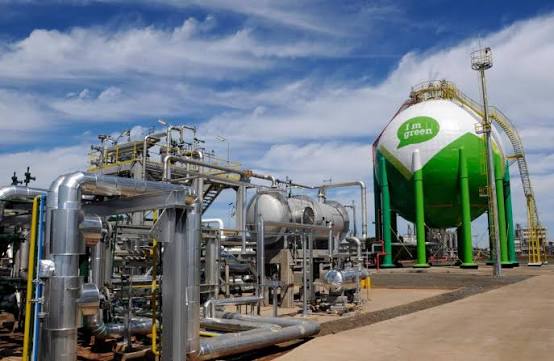
The Morris facility is part of Nouryon’s global manufacturing network and produces materials used across several industrial and consumer markets. The site manufactures amine surfactants for applications including agriculture, mining, home and personal care, coatings, lubricants, fuels and oilfield activities.
This broad application base makes energy efficiency and responsible production relevant beyond the plant itself. Buyers increasingly evaluate not only the chemical specification and commercial terms of a product but also the manufacturing practices behind their supply chains.
For procurement teams, renewable electricity initiatives can become one component of supplier sustainability assessments. Energy sourcing may influence a producer’s broader environmental profile and support customers that have their own emissions reduction commitments.
Renewable Electricity Is Expanding Across Nouryon’s Network
The Morris project is not an isolated renewable energy initiative for Nouryon. The company has already implemented or announced renewable electricity projects across several regions.
Recent activity includes renewable energy installations or agreements involving locations in:
North America: The Morris solar project adds on-site renewable generation in the United States while other U.S. facilities have also moved toward renewable electricity arrangements.
Europe: Nouryon has brought renewable energy projects online at sites including Mons in Belgium.
Asia: The company has operated an on-site solar field in Guangzhou, China and has also pursued solar power arrangements in Singapore.
This geographic expansion shows how renewable electricity can become part of a multinational chemical producer’s site-by-site energy strategy rather than a single regional initiative.
What the Project Means for Chemical Buyers and Procurement Teams
Chemical buyers increasingly need to consider more than price, availability and technical specifications when assessing suppliers. Sustainability performance can also influence purchasing decisions, particularly for companies with environmental targets covering their own operations and supply chains.
Nouryon’s Morris investment offers several procurement considerations:
Supplier sustainability: Renewable electricity use can provide buyers with another factor for evaluating the environmental approach of a chemical producer.
Long-term sourcing strategy: Energy procurement decisions can support a manufacturer’s ability to maintain production while reducing reliance on higher-emission electricity sources.
Supply chain reporting: Buyers with emissions reporting requirements may increasingly seek information about the environmental characteristics of their chemical supply chains.
Operational resilience: Diversifying electricity sources through on-site generation can become part of a broader industrial energy strategy.
For chemical traders and distributors, these considerations may also become relevant when presenting suppliers to customers that have sustainability requirements.
Why On-Site Solar Can Appeal to Industrial Facilities
Large industrial sites have substantial electricity requirements, making them potential candidates for on-site renewable generation where land, grid conditions and project economics allow.
Solar installations can operate alongside conventional electricity supplies rather than requiring an entire facility to transition to renewable power at once. This allows companies to increase renewable electricity consumption progressively while continuing normal manufacturing operations.
The Morris project demonstrates this incremental approach. Covering about 10% of the plant’s electricity demand means the solar installation contributes a defined portion of the facility’s energy requirements without being positioned as its sole electricity source.
Looking Ahead: Renewable Power in Chemical Supply Chains
Nouryon’s Morris project signals continued investment in renewable electricity within the specialty chemicals sector. The company has also identified additional renewable energy projects for locations in Fort Worth and Houston, Texas and Asa, Japan.
For chemical manufacturers, the direction is increasingly clear: energy sourcing is becoming closely connected with production strategy, emissions management and customer expectations. Projects that directly connect renewable generation with manufacturing operations can help companies make measurable progress without separating sustainability from core industrial activity.
For procurement professionals, the development also reinforces the importance of evaluating suppliers through a wider lens. Product quality, pricing, logistics and availability remain fundamental, but the energy and environmental practices supporting production can increasingly shape long-term sourcing decisions.
The Morris installation gives Nouryon another operational asset for its renewable energy strategy while demonstrating how specialty chemical plants can integrate cleaner electricity into established manufacturing networks. As chemical buyers place greater emphasis on responsible sourcing, such investments may become increasingly relevant when assessing global suppliers and their long-term competitiveness.
Fatty Alcohol Ethoxylate - India
Found this useful?