Novo Nordisk Denecimig Facility Remediation Drives Biopharma Chemical Demand
Novo Nordisk recently provided a critical update regarding the FDA review timeline for its denecimig Biologics License Application. The regulatory extension stems directly from ongoing facility remediation work rather than any clinical deficiencies in the data package. This distinction is vital for chemical traders and procurement managers monitoring the biopharmaceutical sector. Facility upgrades of this magnitude immediately trigger increased demand for high-purity pharmaceutical excipients and specialized cleanroom chemicals. The company maintains its expectation for a US launch in the first half of 2027. Furthermore, management confirmed that this timeline adjustment leaves the 2026 financial outlook completely unaffected. Buyers must recognize that infrastructure remediation fundamentally alters short-term and long-term raw material sourcing requirements. Procurement teams should prepare for stricter quality specifications as manufacturing sites align with updated regulatory standards.
Understanding the Impact of Facility Remediation Work
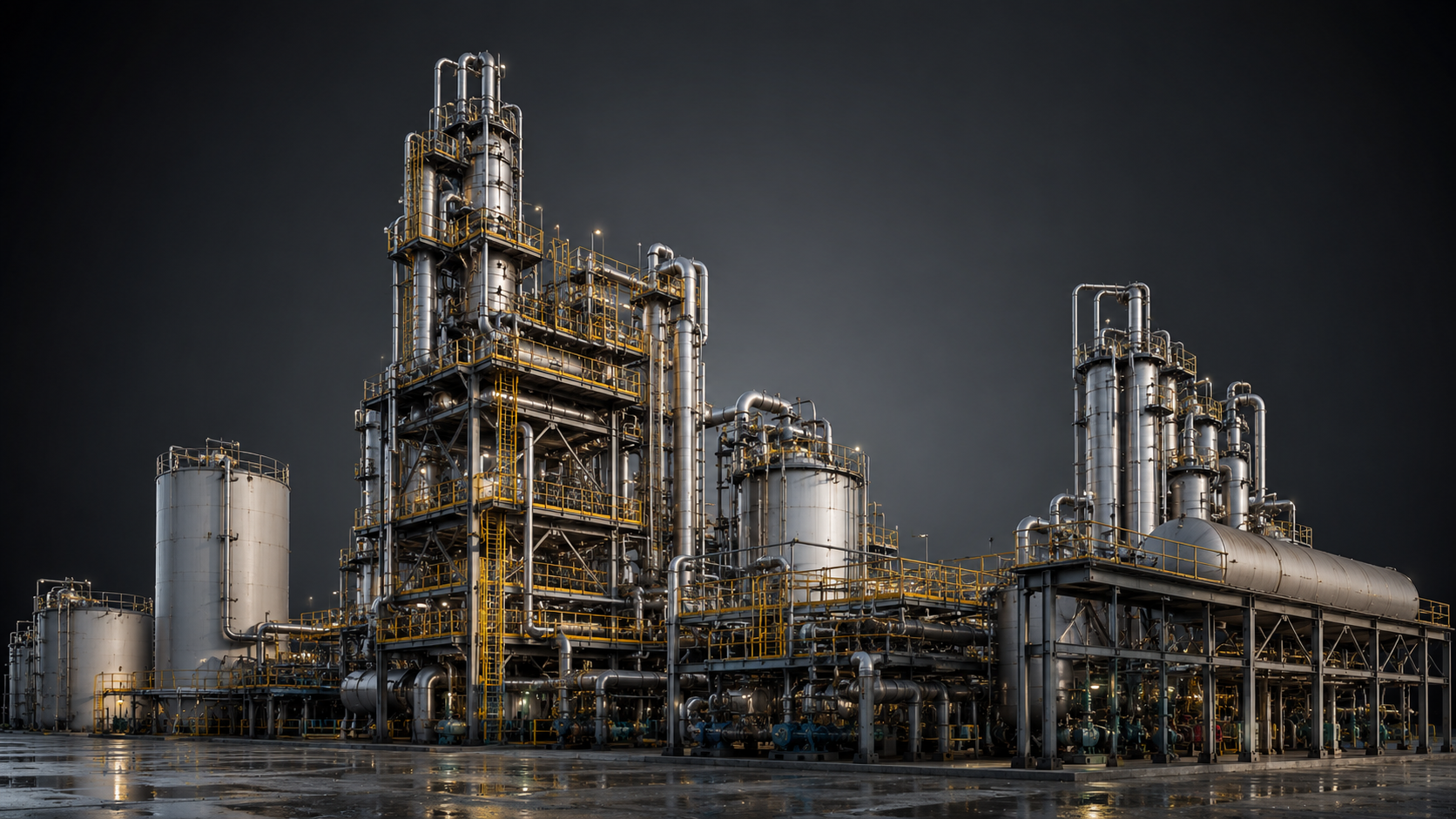
Facility remediation represents a comprehensive overhaul of critical manufacturing infrastructure. Pharmaceutical companies undertake these extensive projects to meet evolving regulatory standards and enhance overall production capacity. This complex process requires meticulous validation of water purification systems, HVAC units and chemical handling protocols.
Procurement managers must source specialized cleaning agents and high-purity solvents to support these rigorous validation phases. The remediation phase directly impacts the specific types of chemicals required on-site at any given moment. Suppliers providing validated, pharmaceutical-grade materials will see a distinct competitive advantage in this environment.
This infrastructure investment guarantees long-term operational stability for future drug launches and commercial scaling. Buyers can expect stricter documentation and tighter quality control measures from these newly remediated facilities. Adapting to these elevated standards is absolutely essential for maintaining preferred vendor status. Suppliers who fail to meet these benchmarks risk immediate contract termination.
Supply Chain Implications for a 2027 US Launch
A targeted launch in the first half of 2027 creates a highly predictable timeline for supply chain scaling. Chemical suppliers have a clear and actionable window to align their production capacities with upcoming market demand. This strategic foresight prevents last-minute sourcing panics and ensures uninterrupted material availability for the manufacturer.
The unaffected 2026 financial outlook indicates strong internal resource allocation for this critical operational transition. Novo Nordisk will likely increase its procurement of foundational bioprocessing chemicals during this preparatory phase. Buyers should anticipate higher volume requests for specific buffer salts, stabilization agents and purification resins.
Global chemical traders must monitor these procurement shifts closely to capitalize on emerging opportunities. Securing long-term contracts now provides a strategic buffer against future market volatility and price fluctuations. Proactive engagement with manufacturing sites yields valuable insights into their specific chemical requirements.
Key Chemical Categories Driving Remediation and Production
The remediation and subsequent commercial production of denecimig will heavily rely on several critical chemical categories. Sourcing these materials requires strict adherence to international pharmaceutical quality standards and rigorous testing protocols.
High-Purity Solvents: Facilities require validated solvents for equipment cleaning and process validation. Suppliers must provide detailed certificates of analysis confirming low residual impurities and strict moisture limits. Consistent solvent quality prevents cross-contamination during the critical remediation phase.
Buffer Salts: Biopharmaceutical manufacturing depends entirely on precise pH control during complex reactions. High-grade buffer salts ensure stable reaction environments during both facility validation and active commercial production. Lot-to-lot consistency remains absolutely critical for maintaining regulatory compliance.
Cleanroom Disinfectants: Remediated facilities mandate rigorous environmental monitoring and continuous sanitation protocols. Specialized, residue-free disinfectants are essential for maintaining sterile manufacturing conditions at all times. Procurement teams must verify that these agents meet current pharmacopeia standards.
Pharmaceutical Excipients: The final drug formulation requires highly purified stabilizing agents to ensure product integrity. Sourcing these excipients from fully audited vendors guarantees product safety and clinical efficacy. Reliable excipient supply chains prevent costly delays in the final commercial launch.
The Role of Excipients in Biopharmaceutical Stability
Biopharmaceutical manufacturing relies heavily on foundational chemical building blocks to ensure product viability. Advanced excipients serve as critical components in the final formulation of complex therapies. These molecules support the stable storage and delivery of the active pharmaceutical ingredient.
Consistent quality of these raw materials directly impacts the final drug yield and patient safety. Procurement teams must source excipients with certified low endotoxin levels and strict purity profiles. Any variation in raw material quality can alter the entire bioprocessing outcome and compromise efficacy.
Buffer systems maintain the optimal pH during complex formulation and filling reactions. Chemical suppliers must provide these buffering agents with strict lot-to-lot consistency. Buyers should request detailed analytical certificates to verify the absolute absence of heavy metals.
Securing a reliable supply of these foundational chemicals prevents costly batch rejections. Procurement managers should establish long-term agreements with manufacturers demonstrating rigorous quality control. This proactive strategy ensures uninterrupted production of life-saving therapies.
Navigating Regulatory Compliance During Infrastructure Upgrades
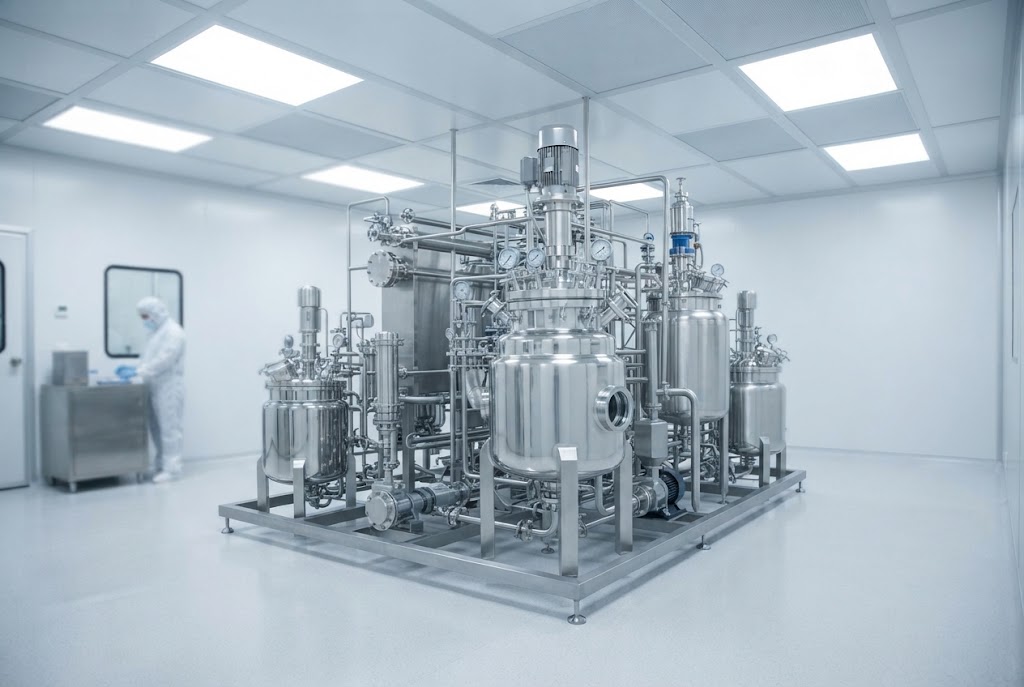
Regulatory agencies demand absolute transparency during all facility remediation projects. Every single chemical introduced into the manufacturing environment requires thorough documentation and traceability. Suppliers must provide comprehensive chain-of-custody records for all raw materials shipped to the site.
Procurement professionals must conduct rigorous audits of their chemical vendors before finalizing any agreements. This due diligence ensures that all materials meet the stringent requirements of the remediation protocol. Failure to provide adequate documentation can halt the entire validation process and delay the launch.
Change control procedures become highly sensitive during this critical period of infrastructure upgrading. Any modification in chemical sourcing requires immediate notification to internal quality assurance teams. Buyers should establish clear and direct communication channels with their suppliers to manage these transitions smoothly.
Strategic Sourcing for Biopharmaceutical Manufacturing
The biopharmaceutical sector continues to prioritize supply chain resilience above all other operational metrics. Companies investing heavily in facility remediation seek partners who demonstrate proven operational excellence and reliability. Chemical suppliers must prove their ability to deliver consistent quality at massive commercial scale.
Procurement teams should evaluate vendors based on their financial stability and global geographic footprint. Diversifying the supplier base actively mitigates the risk of unexpected regional disruptions. This strategic approach ensures uninterrupted access to critical manufacturing chemicals regardless of global events.
Early engagement with potential suppliers yields significant commercial advantages for both parties. Collaborative planning allows for process optimization and meaningful cost reduction over time. This partnership model fosters long-term mutual success in a highly regulated and competitive market.
Digital procurement platforms offer enhanced visibility into global chemical inventory levels. Utilizing these advanced tools allows buyers to secure materials well before market shortages develop.
What Buyers Should Do Now
The ongoing FDA review and facility remediation for denecimig present a clear roadmap for future chemical demand. Procurement managers must act decisively to secure reliable sources for high-purity solvents and buffer salts. Building strategic partnerships with qualified vendors ensures uninterrupted manufacturing schedules and product quality.
Companies that master this complex supply chain will gain a distinct competitive advantage in the market. Monitoring these macro-level operational shifts provides essential foresight for global chemical buyers. Proactive sourcing yields long-term operational stability and cost predictability for all stakeholders.
Ready to source Refined Glycerine 99.7% Min USP BP from verified global suppliers? Explore competitive offers on our platform today.
Source: https://chemxplore.com/news/novo-nordisk-denecimig-bla-update
Refined Glycerine 99.7% Min USP BP
Found this useful?