OCP Desalination Investment Strengthens Water Security for Morocco’s Phosphate Industry
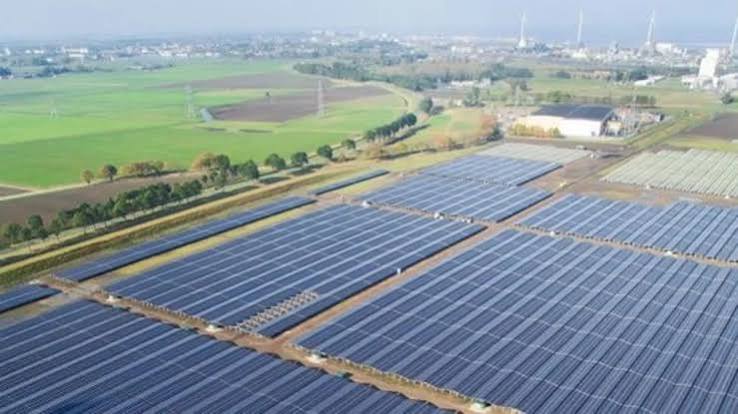
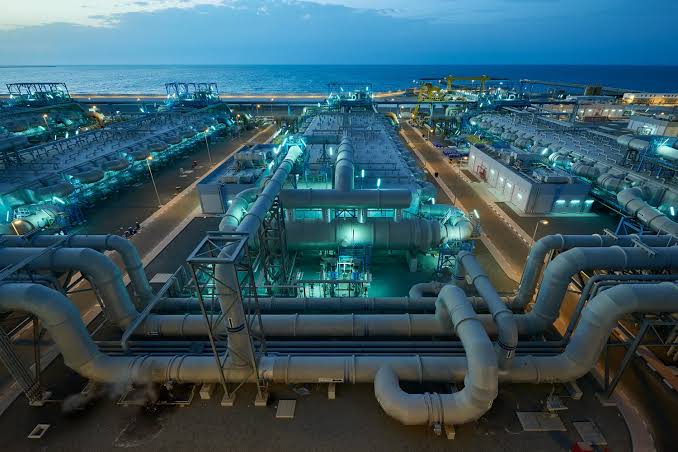
Water has become a strategic input for Morocco’s phosphate industry, and OCP Group is responding with a major expansion of desalination capacity. The group is building a massive solar-powered desalination plant to supply its coastal phosphate operations and aims to eliminate freshwater withdrawals from local municipalities by 2028.
For chemical traders, procurement managers and industrial buyers, the move signals a broader shift in how large resource-intensive producers manage water risk. OCP’s approach connects desalination, renewable energy and industrial production into one supply strategy designed to strengthen operational continuity while reducing dependence on conventional freshwater resources.
The initiative also creates a useful benchmark for other chemical and mining companies operating in water-stressed regions.
Why Water Security Matters for Phosphate Mining
Phosphate mining and downstream processing require reliable water supplies across several stages of industrial activity. Any disruption can affect mining operations, mineral processing, fertilizer production and related logistics.
Morocco holds a central position in the global phosphate industry, making water availability an important consideration for both domestic production and international fertilizer supply chains. OCP’s investment therefore extends beyond environmental management and into industrial risk management.
The company’s broader strategy combines desalination with wastewater reuse and renewable energy. OCP states that all water used across its operations now comes from non-conventional sources, including desalination and treated wastewater.
This approach reduces exposure to competition for conventional freshwater while creating a more controlled source of industrial water.
How OCP Is Building a Non-Conventional Water Supply
OCP’s water strategy relies on large-scale infrastructure rather than short-term conservation measures. The group plans new desalination facilities with a combined capacity of 560 million cubic meters, supporting industrial self-sufficiency in non-conventional water.
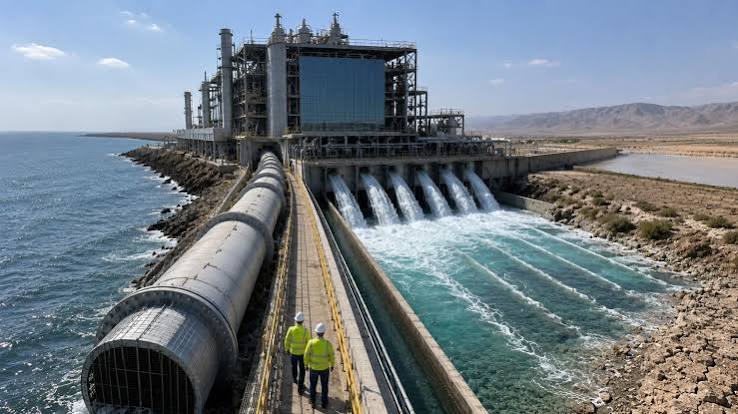
The company is also connecting desalination assets with major mining and industrial sites. In 2025, OCP Green Water commissioned the Jorf Lasfar to Khouribga pipeline, allowing desalinated water to travel more than 200 kilometers from the Atlantic coast to the phosphate mining basin.
This infrastructure creates several advantages for industrial procurement and production planning:
Greater supply control: Dedicated water infrastructure gives mining and processing operations greater control over a critical production input.
Lower municipal dependence: Industrial demand can increasingly shift away from conventional freshwater supplies serving surrounding communities.
Improved resilience: Multiple non-conventional water sources can reduce vulnerability to drought and local water shortages.
Long-term planning: Large desalination projects provide a scalable foundation for future mining and fertilizer capacity.
OCP has also financed modular seawater desalination plants through green investment programs. Three planned facilities supported by development finance were designed to provide a combined annual capacity of 110 million cubic meters while also supporting drinking water supplies in nearby areas.
Solar Power Gives Desalination a Strategic Advantage
Desalination requires substantial energy, which means water security and energy security increasingly overlap. OCP is addressing this connection by pairing desalination infrastructure with renewable electricity.
The group’s investment plan targets 1.2 GW of renewable energy capacity for its industrial facilities. OCP also plans to operate new desalination plants using renewable energy as part of its broader green investment program.
Solar generation can help reduce the exposure of desalination operations to conventional electricity markets. OCP has already commissioned solar photovoltaic capacity for its mining operations and plans further renewable generation across its industrial network.
This integration matters for buyers because utility costs can influence the economics of energy-intensive chemical and mineral production. A more predictable energy and water supply can support more stable production planning and reduce exposure to interruptions caused by resource shortages.
What the Investment Means for Phosphate and Fertilizer Supply Chains
OCP’s water strategy supports a much larger industrial expansion program. The company plans to increase plant nutrition production capacity from 15 million tons to 20 million tons of sustainable products while expanding renewable energy and non-conventional water infrastructure.
For international buyers, reliable water availability can become an important factor behind production continuity. Fertilizer manufacturers depend on consistent access to phosphate-based feedstocks and related industrial chemicals, so infrastructure that protects mining and processing capacity can have implications across the downstream supply chain.
The effects can extend to several commercial areas:
Phosphate-based fertilizers: More secure industrial water supplies can support continuous fertilizer manufacturing.
Phosphoric acid production: Stable phosphate processing supports downstream production of phosphoric acid and phosphate derivatives.
Agricultural inputs: Greater production resilience can support the availability of plant nutrition products in international markets.
Chemical logistics: Consistent output can improve planning for exporters, importers and distributors handling phosphate-related products.
Procurement Risks Shift From Water Availability to Infrastructure Performance
Desalination can reduce freshwater risk, but it also creates new infrastructure dependencies. Procurement teams need to consider equipment reliability, energy availability, maintenance requirements and the continuity of pipelines connecting water production facilities with mining and processing sites.
Large-scale water systems also require specialized equipment and services. Pumps, membranes, filtration systems, electrical infrastructure and water-treatment chemicals can all become strategically important inputs.
For chemical buyers, this creates a broader procurement checklist:
Monitor the reliability of suppliers supporting water-treatment operations.
Evaluate the availability of treatment chemicals and industrial consumables.
Consider logistics requirements for coastal desalination facilities and inland mining sites.
Track renewable power availability because energy reliability directly affects desalination.
Assess infrastructure expansion when forecasting future phosphate production capacity.
The goal is not simply to secure chemicals at the lowest immediate cost. Buyers increasingly need to evaluate whether suppliers and producers can maintain reliable output during periods of water, energy or logistics stress.
Morocco’s Water Strategy Creates New Industrial Demand
OCP’s desalination expansion also supports Morocco’s wider response to water scarcity. Several projects have been designed to serve both industrial requirements and surrounding communities, creating a link between industrial investment and regional water resilience.
OCP’s investment program includes desalination capacity that can support industrial sites while contributing water to nearby communities. Development financing for three modular plants, for example, includes provisions for drinking water supplies serving Safi, El Jadida and surrounding areas.
This dual-purpose model can influence how future industrial projects approach water infrastructure. Rather than treating water supply as an external utility issue, producers can integrate water generation directly into industrial development plans.
For chemical manufacturers considering new plants, this approach offers a practical model for reducing dependence on stressed municipal systems while supporting regional resource security.
The Green Chemistry Connection Is Becoming More Commercial
OCP’s water investment forms part of a wider transition toward lower-carbon industrial production. The group is combining renewable electricity, desalination, wastewater reuse and green ammonia initiatives within its broader investment strategy.
Water management can therefore become part of a product’s broader sustainability profile. Buyers evaluating fertilizer and chemical suppliers may increasingly consider not only the origin and price of a product but also how the producer manages water, energy and emissions.
This can influence procurement requirements in several ways:
Supply resilience: Buyers may favor producers with diversified water and energy systems because resource disruptions can affect delivery schedules.
Sustainability requirements: Industrial customers may increasingly request information about water sourcing and resource efficiency alongside conventional environmental data.
Long-term contracts: Stable infrastructure can support longer-term supply arrangements where buyers need predictable volumes and delivery schedules.
Supplier evaluation: Water security may become an additional factor in assessing the operational resilience of major chemical and fertilizer producers.
OCP’s strategy shows how water stewardship can move from a sustainability initiative into a core industrial planning tool.
What Buyers Should Watch Through 2027 and Beyond
OCP’s desalination program is part of a wider industrial transformation that will continue to influence phosphate and fertilizer supply chains. The company targets substantial growth in renewable energy, non-conventional water and sustainable plant nutrition production over the coming years.
Procurement teams should monitor several developments as the program advances:
New desalination capacity: Additional facilities can strengthen the reliability of water supplies for expanding operations.
Pipeline connectivity: New water transport infrastructure can determine how efficiently desalinated water reaches mining and processing sites.
Renewable energy expansion: Solar and other renewable sources will remain closely linked to the economics and resilience of desalination.
Phosphate production growth: Higher production capacity can affect international availability of phosphate-based products and downstream chemicals.
Water-related sustainability standards: Buyers may place greater emphasis on resource management when qualifying strategic suppliers.
OCP has already reported progress toward water autonomy, including the Jorf Lasfar to Khouribga pipeline and water autonomy at its Benguerir mine through treated wastewater reuse.
For international chemical buyers, the broader message is clear. Water security is becoming an operational issue that can influence production continuity, supply availability, sustainability performance and long-term sourcing decisions.
The Bottom Line for Procurement Teams
OCP Group’s solar-powered desalination investment demonstrates how a major phosphate producer can integrate water security into its industrial growth strategy. By combining desalination, renewable energy and wastewater reuse, the company is reducing its reliance on conventional freshwater resources while supporting the expansion of phosphate and fertilizer operations.
For traders, importers, exporters and procurement managers, this development highlights the growing importance of infrastructure resilience when evaluating chemical supply chains. Reliable access to water and energy can help producers maintain output, support downstream chemical availability and respond more effectively to resource constraints.
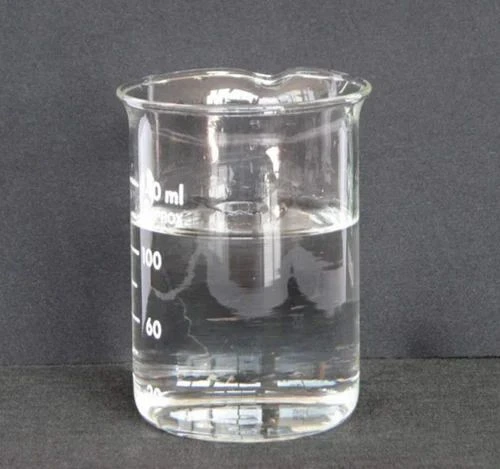
Phosphoric Acid (85%) (E338)
Found this useful?