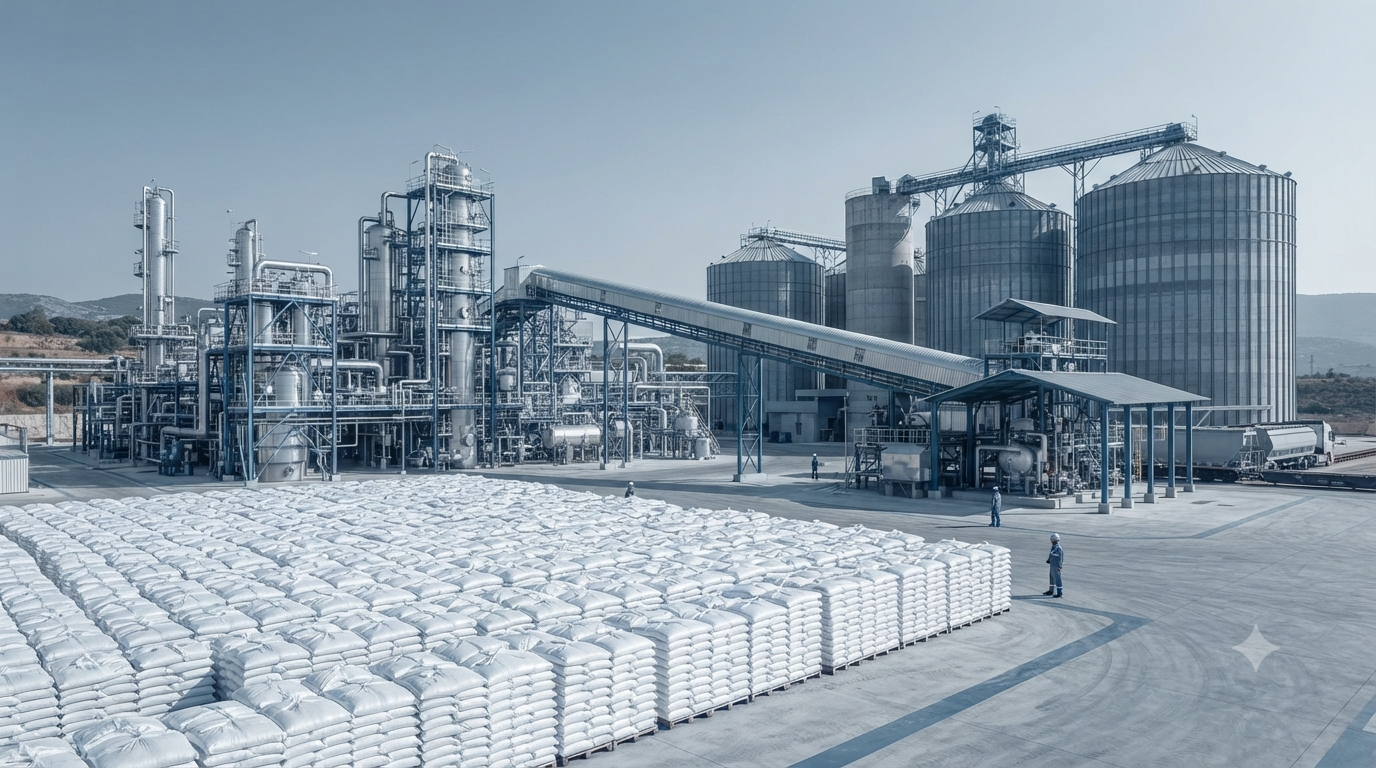
OCP’s Strategic Move: Triple Superphosphate & Pyrite Sulfur to Beat 2026 Supply Crunch
Introduction
OCP Group, the world’s largest phosphate fertilizer producer, is navigating a turbulent sulfur market by expanding its triple superphosphate (TSP) capacity and pioneering pyrite‑based sulfur extraction. These moves are designed to secure raw material supplies for the 2026 sulfur market disruption and to give farmers a more reliable source of essential nutrients.
Why Sulfur Supply Matters
Sulfur is a critical micronutrient for crop growth, required in all soils to support protein synthesis and enzyme activity. Traditionally, sulfur is sourced from sea‑salt, petroleum residue, or mined elemental sulfur. Recent geopolitical tensions and a shift toward cleaner energy have tightened these supplies, leading to price spikes and shortages that threaten global food security.
Impact on the Fertilizer Chain
The sulfur shortage has rippled through the fertilizer industry, increasing costs for producers and raising prices for end users. Farms now face higher input costs and risk of nutrient deficiencies, especially in regions relying heavily on synthetic fertilizers.
OCP’s Triple Superphosphate Expansion
Triple superphosphate (TSP) is a high‑concentration phosphate fertilizer that also delivers significant amounts of sulfur when produced from phosphate rock rich in associated sulfates. OCP has announced a new TSP line that will:
Increase annual TSP output by 15%
Utilize a more efficient wet‑phosphoric acid process that recovers up to 85% of sulfur from the feedstock
Integrate a closed‑loop sulfur recovery system, reducing waste emissions by 20%
This expansion not only boosts phosphorus supply but also captures sulfur that would otherwise be lost, turning a raw material constraint into a production advantage.
Exploring Pyrite and Pyrrhotite as Alternative Sulfur Sources
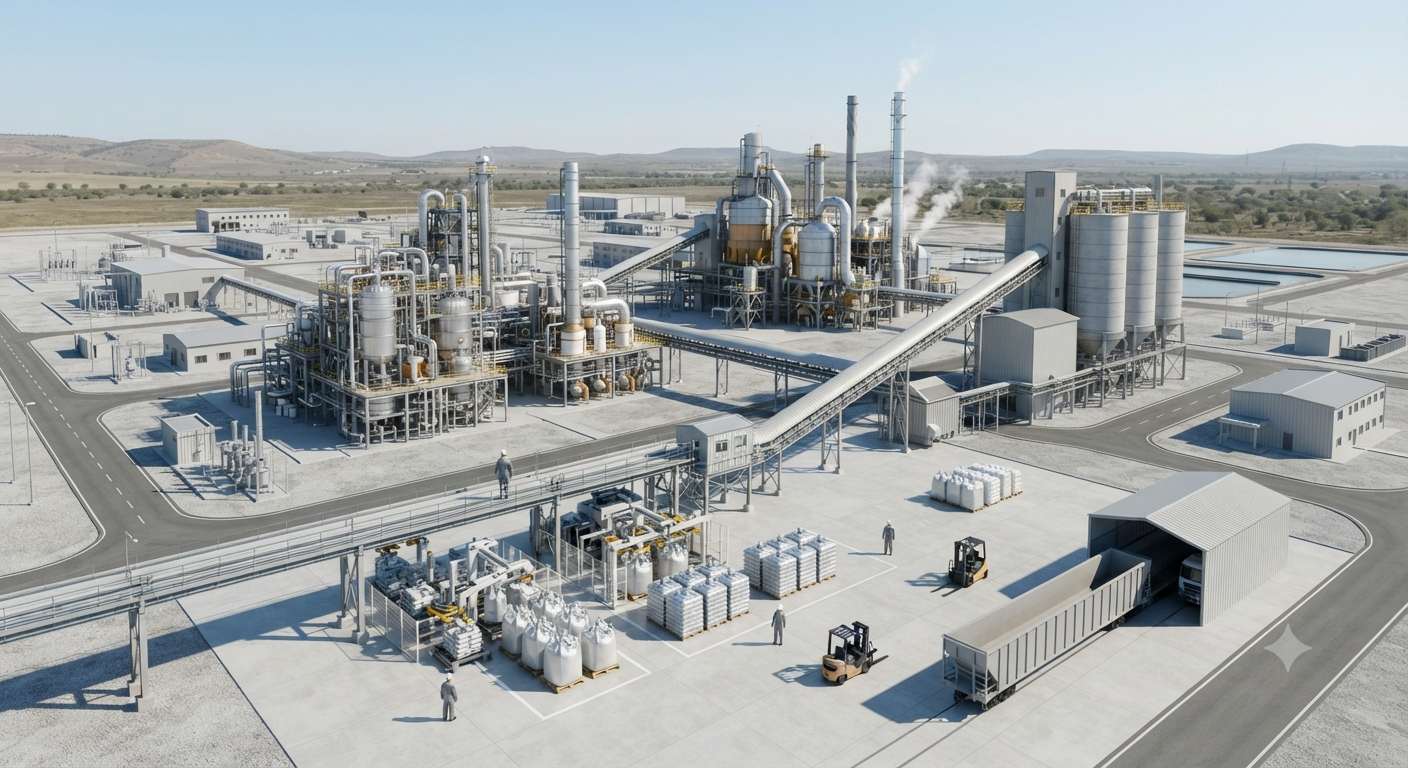
Pyrite (FeS2) and pyrrhotite (Fe1-xS) are abundant iron sulfide minerals often found in phosphate rock deposits. OCP is investing in a pilot plant to extract sulfur directly from these minerals, a process that offers:
Access to a low‑cost, widely available sulfur source
Reduced dependence on global sulfur markets
Potential for higher sulfur purity, improving fertilizer performance
The pilot uses a hydrometallurgical technique that dissolves the sulfide in a mild acid, separating the sulfur from iron and other impurities. The extracted sulfur can then be refined into elemental sulfur or used in situ to produce TSP.
Supply Chain Resilience: A Strategic Advantage
By combining increased TSP capacity with on‑site sulfur recovery, OCP creates a vertically integrated supply chain that mitigates external shocks. This resilience is evident in:
Lower input cost variability for the company
Enhanced bargaining power with distributors and end users
Improved ability to forecast and manage crop nutrient demands
Farmers in regions with limited local sulfur production now have a more stable and affordable fertilizer option, helping to maintain yields even during market volatility.
Environmental Benefits and Sustainability
OCP’s strategy aligns with global sustainability goals. Key environmental advantages include:
Significant reduction in sulfur‑related emissions from traditional industrial processes
Lower carbon footprint due to improved process efficiency and waste minimization
Enhanced resource efficiency by recovering sulfur from otherwise discarded mineral fractions
These efforts contribute to OCP’s broader commitment to circular economy principles and responsible resource stewardship.
Implications for the Global Fertilizer Market
OCP’s investment signals a shift toward integrated supply chain strategies in the fertilizer industry. Other producers may follow suit, leading to:
Increased competition for high‑purity sulfur and phosphate feedstocks
Greater emphasis on process innovation to capture by‑products
Potential price stabilization as supply becomes more secure
For policymakers, this underscores the importance of supporting industrial research and cross‑sector partnerships to build resilience against commodity shocks.
Conclusion
OCP’s dual focus on expanding triple superphosphate production and extracting sulfur from pyrite and pyrrhotite positions it at the forefront of supply chain resilience. By turning a raw material constraint into an opportunity for innovation, OCP is reshaping fertilizer procurement during the 2026 sulfur market disruption and setting a new standard for industry sustainability.
Tripotassium Phosphate (E340(iii))
Found this useful?