
Oil Price Volatility Adds a New Variable to Pharmaceutical Ingredient Logistics Costs
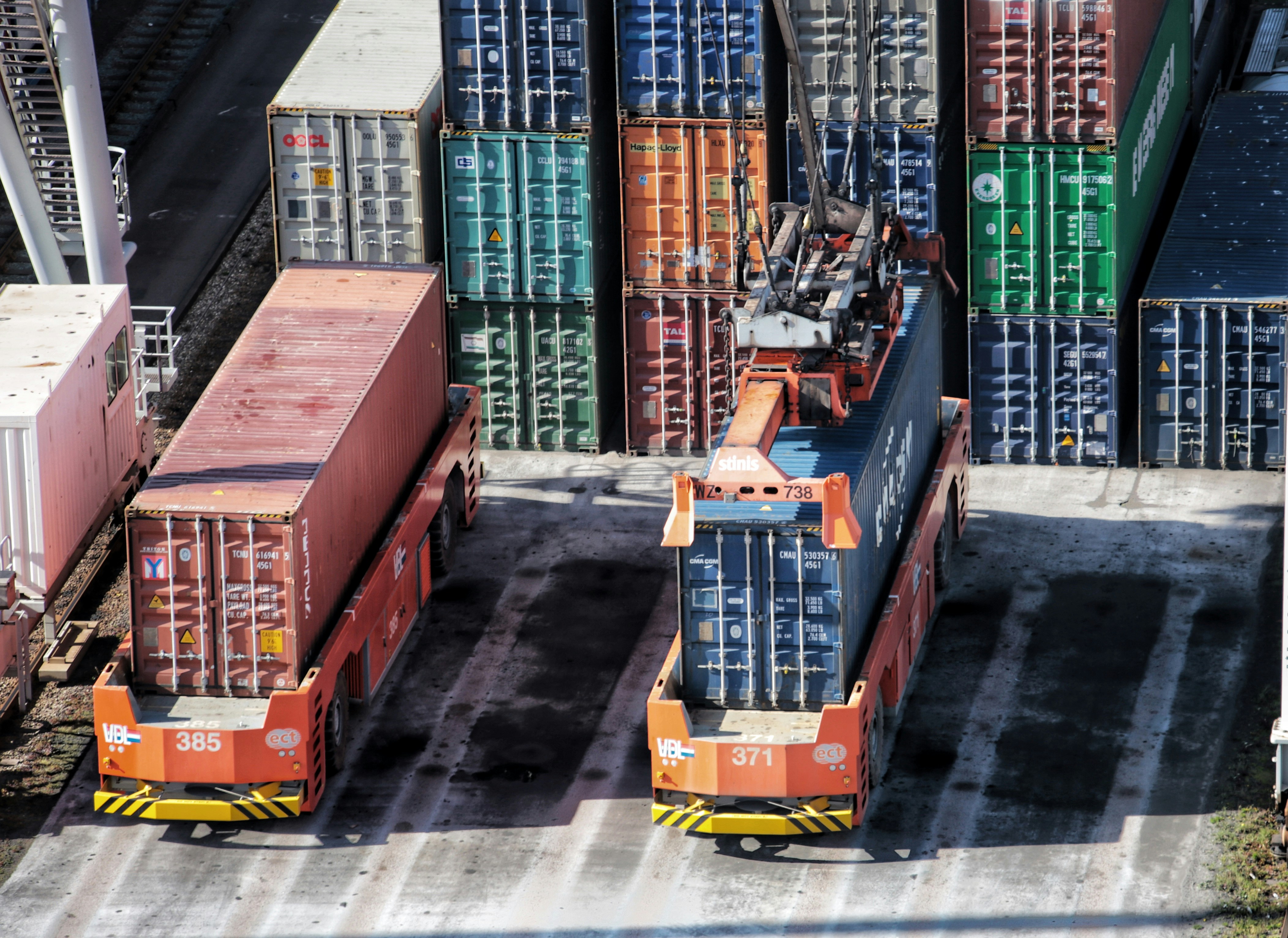
Oil Price Volatility Adds a New Variable to Pharmaceutical Ingredient Logistics Costs
Introduction
Oil price volatility continues to reshape global supply chains, and the pharmaceutical industry is no exception. While active pharmaceutical ingredient (API) prices are often influenced by manufacturing costs and regulatory requirements, fluctuations in crude oil prices increasingly affect the logistics expenses associated with transporting pharmaceutical ingredients worldwide.
From ocean freight and air cargo to cold-chain distribution and last-mile delivery, rising fuel costs directly impact the landed cost of APIs, excipients, and specialty pharmaceutical chemicals. For procurement professionals, logistics managers, and pharmaceutical manufacturers, monitoring energy markets has become an essential part of supply chain planning.
How Oil Prices Influence Pharmaceutical Logistics
Crude oil prices affect nearly every stage of pharmaceutical transportation. Fuel is a major operating cost for shipping lines, airlines, trucking companies, and temperature-controlled logistics providers.
When oil prices become more volatile, companies often experience:
Higher ocean freight surcharges.
Increased air cargo rates.
Rising road transportation costs.
More expensive cold-chain distribution.
Greater variability in international shipping contracts.
These additional costs may not immediately change ingredient prices but can significantly increase the total landed cost of pharmaceutical materials.
Pharmaceutical Ingredients Most Exposed
Certain pharmaceutical ingredients are particularly sensitive to logistics cost increases due to strict handling and transportation requirements.
Active Pharmaceutical Ingredients (APIs)
Many APIs are produced in one region and shipped globally for formulation, making them highly dependent on reliable and cost-effective international logistics.
Biopharmaceutical Ingredients
Monoclonal antibodies, vaccines, peptides, and other biologics often require refrigerated or frozen transport. Higher fuel prices increase the cost of maintaining temperature-controlled supply chains.
Excipients
Common excipients such as lactose, microcrystalline cellulose, starch derivatives, and specialty polymers are frequently transported in bulk, making freight costs an important component of total procurement expenses.
Specialty Chemicals
Solvents, reagents, catalysts, and fine chemicals used in pharmaceutical manufacturing may also experience higher transportation costs, particularly when shipped internationally.
Procurement Challenges
Oil price volatility introduces additional uncertainty into procurement planning.
Key challenges include:
Difficulty forecasting landed costs.
Budget pressure from fluctuating freight charges.
Longer lead times caused by shipping adjustments.
Increased logistics contract negotiations.
Higher working capital requirements for inventory planning.
Organizations that rely on single-source international suppliers may face greater exposure to transportation cost fluctuations.
Strategies to Reduce Logistics Risk
Pharmaceutical procurement teams can take several steps to reduce the impact of fuel-related logistics costs.
Diversify Supply Sources
Using suppliers from multiple geographic regions reduces dependence on a single trade route and provides greater flexibility during periods of freight disruption.
Optimize Inventory Planning
Maintaining appropriate safety stock helps reduce reliance on emergency shipments, which are often the most expensive during periods of fuel price volatility.
Negotiate Long-Term Logistics Contracts
Fixed-rate or index-linked freight agreements can reduce exposure to sudden increases in transportation costs.
Improve Supply Chain Visibility
Real-time shipment tracking, predictive analytics, and logistics monitoring enable procurement teams to respond quickly to changing freight conditions.
Strengthen Supplier Collaboration
Close communication with suppliers allows organizations to coordinate production schedules, consolidate shipments, and improve transportation efficiency.
Long-Term Outlook
Energy markets are expected to remain influenced by geopolitical developments, production decisions, refinery capacity, and global economic conditions. As a result, pharmaceutical companies should expect periodic fluctuations in logistics costs rather than a return to permanently stable freight markets.
At the same time, pharmaceutical manufacturers continue investing in regional production networks, digital supply chain technologies, and resilient sourcing strategies to reduce transportation risks while maintaining regulatory compliance and product quality.
Companies that integrate energy market intelligence into procurement planning will be better prepared to manage cost uncertainty and protect supply continuity.
Conclusion
Oil price volatility has become an increasingly important factor in pharmaceutical ingredient logistics. Rising fuel costs influence freight rates, cold-chain transportation, and overall landed costs for APIs, biologics, excipients, and specialty chemicals.
For procurement professionals, success depends on looking beyond raw material prices and adopting a comprehensive supply chain strategy that includes logistics risk management, supplier diversification, inventory optimization, and real-time market monitoring.
As global pharmaceutical supply chains become more interconnected, organizations that proactively manage transportation costs will be better positioned to maintain operational efficiency, ensure reliable product availability, and remain competitive in an evolving healthcare market.
Aluminium Chlorohydrate

Found this useful?