Ranking Braskem's Biobased Ethylene Business Against Global Sustainable Petrochemical Platforms
Braskem's sugarcane-derived bio-based ethylene business gives the company a differentiated position within the global petrochemical industry. Unlike conventional ethylene produced from fossil-based feedstocks, Braskem's bio-based ethylene is produced from sugarcane ethanol, creating a renewable route into polyethylene and other downstream products. The platform has been operating commercially for more than a decade, making it one of the industry's more established bio-based petrochemical operations.
A Commercial Platform, Not Just a Pilot
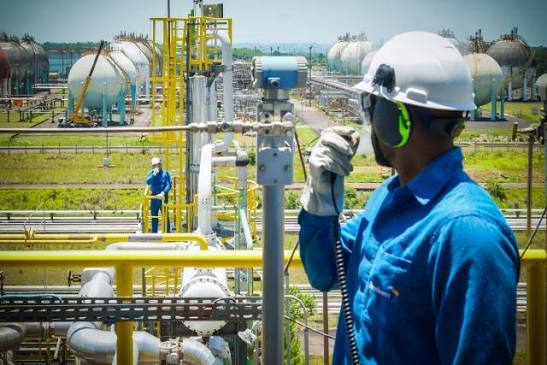
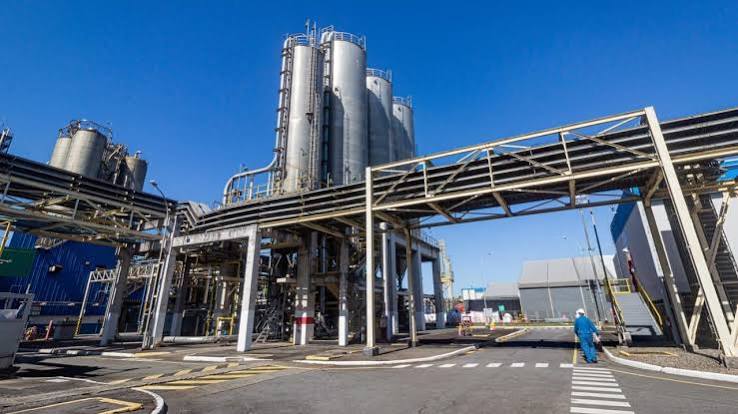
Braskem's renewable chemicals strategy is significant because its bio-based polyethylene is already produced at commercial scale. The company's Triunfo, Brazil facility has an annual capacity of approximately 200,000 tonnes of green ethylene, which can then be converted into renewable polyethylene. This gives Braskem an advantage over emerging sustainable-chemistry projects that remain at demonstration or early commercial stages.
Sugarcane Creates a Distinct Feedstock Model
The economics of Braskem's platform are closely linked to Brazil's sugarcane industry. Ethanol serves as the feedstock for producing renewable ethylene, allowing Braskem to connect agricultural production with an established petrochemical infrastructure. This integration differentiates the company from sustainable-chemical platforms based on technologies such as recycled carbon, captured CO₂ or other alternative feedstocks.
Global Brands Are Looking for Renewable Polymers
Demand for Braskem's renewable polyethylene is driven partly by consumer-goods companies seeking lower-carbon materials without completely redesigning their manufacturing processes. Because the renewable polyethylene can be processed using conventional polymer-conversion technologies, brands can incorporate it into packaging and other applications while pursuing their sustainability targets. This creates a commercial bridge between traditional petrochemicals and lower-carbon materials.
IG4 Inherits a Differentiated Asset
The bio-based business becomes particularly relevant following IG4 Capital's acquisition of a controlling stake in Braskem in June 2026. IG4 now has exposure not only to Braskem's conventional petrochemical assets but also to a renewable platform that could become strategically more valuable as customers demand lower-carbon materials. The renewable business therefore provides a potential differentiation point as the new ownership structure works to stabilize and reposition Braskem.
The Competitive Ranking
Braskem's strongest advantage is its combination of commercial scale, established technology, renewable feedstock and existing petrochemical infrastructure. However, the platform still competes with rapidly developing alternatives, including chemical recycling, bio-based intermediates and other low-carbon polymer technologies. Its future competitive position will depend on the premium customers are willing to pay for renewable materials and the availability and economics of sustainable feedstock.
The Intelligence Takeaway
Braskem's bio-based ethylene business should be viewed as more than a sustainability initiative. It represents a commercially established alternative feedstock platform embedded within a major petrochemical company. For IG4, retaining and potentially expanding this capability could provide Braskem with a differentiated position as global polymer producers face increasing pressure to reduce fossil-feedstock dependence.
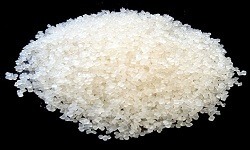
Linear-Low Density Polyethylene (LLDPE)
Found this useful?