Oil's 9% Weekly Gain: Ranking the Scale of This Month's Hormuz-Driven Shock
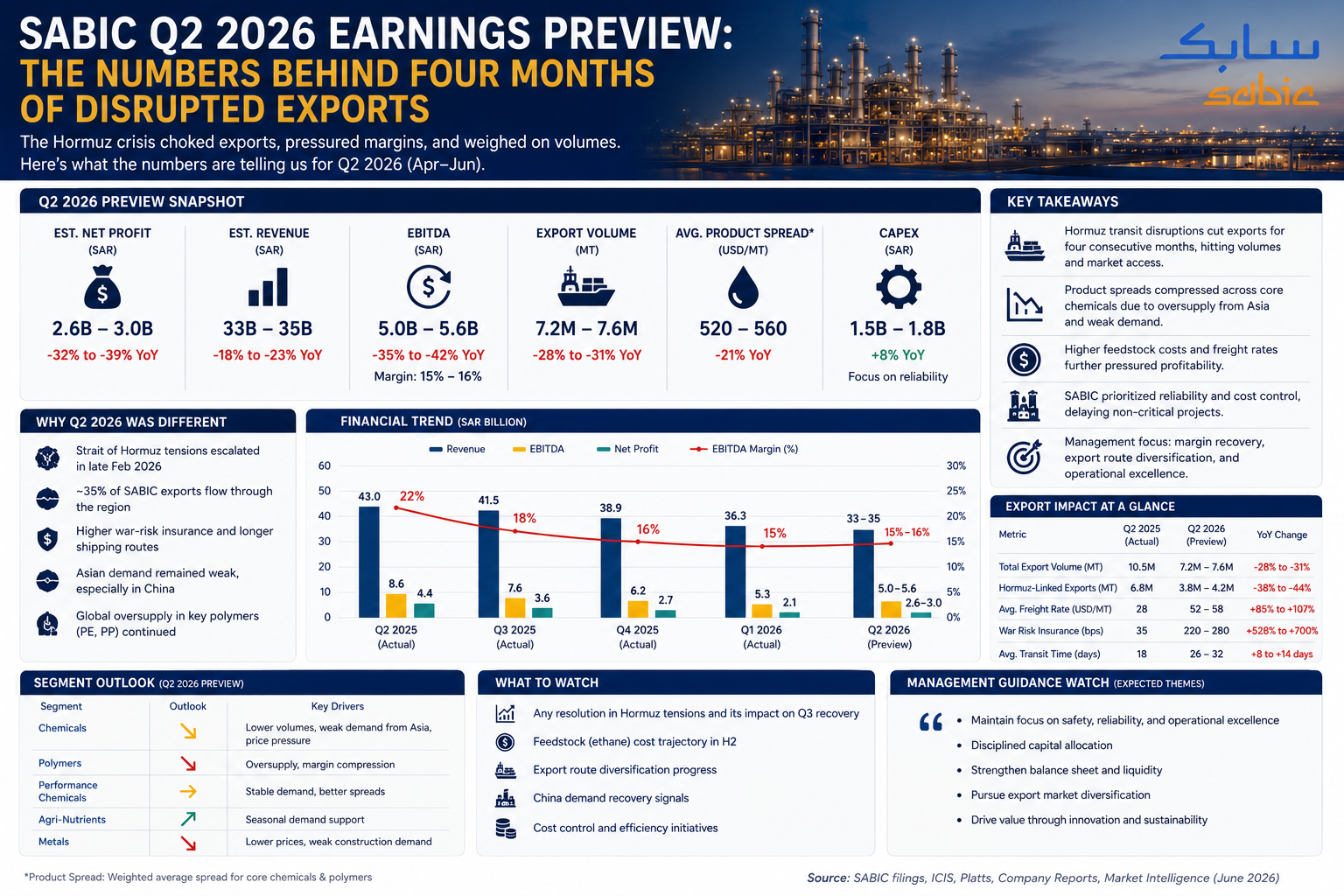
Oil is now roughly 9% above levels recorded before the original US-Israel strikes on Iran in late February, following double-digit weekly gains that have rapidly changed the energy market's risk profile. The scale and speed of the move have placed the Strait of Hormuz at the centre of attention for commodity traders and industrial procurement teams.
For chemical buyers, the Hormuz-driven oil shock reaches far beyond crude itself. Oil prices influence petrochemical feedstocks, solvents, polymers, manufacturing costs and international freight. A sustained energy shock can therefore move through chemical value chains even when individual products remain adequately supplied. Procurement teams now face the challenge of determining whether the current move represents a temporary geopolitical premium or the beginning of a broader cost reset.
How Significant Is the Latest Oil Price Shock?
A roughly 9% increase above pre-strike levels represents a meaningful adjustment in a commodity as globally important as crude oil. The double-digit weekly gains make the move particularly notable because rapid price changes can affect commercial expectations before physical supply conditions fully adjust.
The scale of the shock should be assessed across three dimensions: magnitude, speed and potential duration.
Magnitude determines how much additional cost pressure enters the energy system. Speed affects how quickly producers, traders and buyers must respond. Duration decides whether the impact remains concentrated in spot markets or begins influencing longer-term contracts and industrial purchasing decisions.
The current movement ranks as an important procurement signal because all three dimensions remain relevant. Oil has moved sharply, geopolitical uncertainty has increased and the market must assess risks surrounding one of the world's most strategically important energy corridors.
For chemical buyers, the key issue is not simply whether crude rises another few percentage points. The more important question is how long elevated prices persist and whether suppliers begin incorporating higher energy and feedstock costs into chemical quotations.
Why the Strait of Hormuz Matters to Chemical Trade
The Strait of Hormuz holds exceptional strategic importance because it connects major Gulf energy producers with international markets. Any perceived threat to shipping through the corridor can influence oil prices even before a major physical disruption occurs.
Markets price risk as well as actual supply losses. When geopolitical tensions increase around a critical maritime route, traders may factor potential disruptions into crude prices, freight costs and insurance expenses.
Chemical trade can feel these effects through several channels:
Energy costs: Chemical manufacturing often requires significant heat, electricity and process energy.
Petrochemical feedstocks: Many chemicals originate directly or indirectly from hydrocarbon value chains.
Marine freight: Higher fuel and insurance expenses can increase the delivered cost of internationally traded chemicals.
Regional supply risk: Gulf producers play important roles across energy, petrochemicals and fertilizers.
Inventory behaviour: Buyers may increase safety stocks if they expect shipping delays or further price increases.
The Strait therefore matters even to companies that do not purchase crude oil. A disruption or sustained risk premium can spread through interconnected industrial supply chains.
From Crude Oil to Chemical Feedstock Costs
The relationship between crude oil and chemical pricing varies considerably by product. Some chemicals have a close connection to petroleum-derived feedstocks, while others depend more heavily on natural gas, minerals or agricultural inputs.
Products such as xylene, styrene monomer, ethyl acetate and several polymer intermediates can face changing cost dynamics when hydrocarbon markets move sharply. However, crude prices represent only one component of chemical pricing.
Plant operating rates, regional inventories, downstream demand and producer margins also influence market offers. A 9% rise in oil does not automatically create a matching 9% increase in chemical prices.
The transmission process can also involve delays. Producers with existing feedstock inventories may not immediately experience the full cost increase, while buyers operating under contracts may remain temporarily insulated from spot-market volatility.
Procurement teams should therefore monitor the direction of supplier offers rather than applying crude oil movements directly to chemical price forecasts.

Freight and Insurance Could Amplify the Hormuz Shock
The physical price of oil represents only one part of the potential procurement impact. Maritime logistics can amplify a geopolitical shock, particularly when risk concentrates around a major shipping corridor.
Higher bunker fuel costs can increase vessel operating expenses. At the same time, elevated security concerns can affect insurance premiums and commercial decisions surrounding routes and vessel availability.
For chemical importers, these costs matter because delivered pricing includes much more than the value of the product at the producer's facility.
A chemical cargo may involve inland transportation, terminal handling, ocean freight, insurance, port charges and final delivery. If several of these components increase simultaneously, the landed cost can rise even when the chemical's underlying FOB price changes only modestly.
Bulk and lower-value chemicals can prove particularly sensitive to freight movements because transportation represents a larger percentage of their final delivered cost.
Buyers should therefore separate product price movements from logistics costs when analysing new supplier quotations. This distinction can reveal whether higher offers reflect feedstock inflation, freight pressure or a combination of both.
Which Chemical Categories Face the Greatest Exposure?
The impact of a sustained oil shock will not spread evenly across chemical markets. Exposure depends on feedstock relationships, manufacturing energy intensity, geographic location and transportation requirements.
Petrochemical products sit closest to the immediate risk. Aromatics, solvents and polymer chains can respond when upstream hydrocarbon economics change.
Plastic and polymer buyers should also watch developments carefully. Products including polyethylene, PET intermediates and styrenics can experience indirect effects through changing feedstock economics.
Energy-intensive chemical production represents another area of concern. Even products without a direct crude oil connection can face higher manufacturing costs if broader energy markets strengthen.
Internationally traded bulk chemicals face additional logistics exposure. A product with stable ex-works pricing may still become more expensive for an importer if freight, fuel and insurance costs rise.
This fragmented impact means procurement teams should rank exposure product by product. Applying a universal oil-price adjustment across a chemical purchasing portfolio can produce misleading forecasts.
How Buyers Should Respond to Double-Digit Weekly Gains
Sharp weekly oil gains can create pressure to make rapid purchasing decisions. However, aggressive stock building carries its own risks if geopolitical premiums reverse.
Procurement teams should first identify materials with the strongest direct exposure to oil and international shipping. These products deserve closer monitoring than chemicals driven primarily by unrelated feedstocks.
Contract structure also matters. Buyers with fixed-price agreements may have temporary protection, while spot purchasers can experience market changes more quickly.
Companies should review inventory coverage for critical materials and compare it with realistic lead times. Maintaining sufficient stocks to absorb potential shipping delays can improve resilience, but excessive purchasing at elevated prices can create inventory losses if markets retreat.
Supplier diversification provides another layer of protection. Where technically and commercially feasible, buyers can maintain qualified sources across different production regions.
The objective should focus on flexibility rather than predicting the exact peak in oil prices.
What a Prolonged Oil Shock Could Mean for Industrial Demand
Higher oil prices can eventually affect both supply costs and downstream demand. This creates a complex environment for chemical markets.
Initially, producers may attempt to pass higher feedstock, energy and transportation costs to customers. Chemical prices can rise even when demand remains stable.
If elevated energy costs persist, however, downstream manufacturers may face margin pressure. Some companies could reduce production, delay purchases or manage inventories more conservatively.
This creates the possibility of conflicting market forces. Chemical suppliers may seek higher prices because their costs have increased while buyers resist those increases because downstream demand has weakened.
The outcome will vary by sector. Essential products may maintain relatively resilient consumption, while discretionary manufacturing could respond more quickly to higher costs and weaker economic confidence.
Chemical traders should therefore monitor both sides of the equation. Rising input costs alone do not guarantee sustained chemical price inflation if downstream demand deteriorates significantly.
The Next Signals Chemical Traders Should Monitor
The 9% increase from pre-strike oil levels provides an important benchmark, but the next stage of the market will depend on whether geopolitical risk translates into persistent physical or logistical disruption.
Chemical traders should watch crude price volatility alongside shipping conditions in and around the Gulf. Freight quotations can provide an early indication of whether geopolitical concerns are entering physical trade costs.
Supplier behaviour offers another signal. If chemical producers shorten quotation validity periods or introduce more frequent price revisions, this may indicate growing uncertainty around replacement costs.
Inventory patterns also deserve attention. A sudden increase in precautionary purchasing can temporarily tighten chemical availability even when production remains unchanged.
The most important indicators include feedstock movements, marine freight, insurance costs, supplier operating rates and customer purchasing behaviour. Together, these signals can help distinguish a temporary oil spike from a broader industrial cost shock.
What Chemical Procurement Teams Should Do Now
Oil's roughly 9% rise above pre-strike levels, combined with double-digit weekly gains, has created a market environment that chemical procurement teams should treat seriously. The Hormuz-driven shock brings together energy risk, geopolitical uncertainty and potential logistics pressure.
The immediate priority should be exposure mapping. Buyers need to identify which chemicals have direct petroleum feedstock links, which depend heavily on energy-intensive manufacturing and which arrive through shipping routes vulnerable to higher freight or insurance costs.
Procurement teams should also request transparent price breakdowns where possible. Understanding whether a supplier increase comes from feedstocks, production energy or transportation can improve negotiations and purchasing decisions.
Inventory strategy requires balance. Maintaining adequate coverage for critical products can reduce operational risk, but panic buying during a sharp price rally may lock companies into unnecessarily high costs.
The scale of this month's move makes continued monitoring essential. If the oil shock remains concentrated in financial markets, chemical price effects may prove uneven and temporary. If geopolitical tensions disrupt physical trade or sustain elevated energy costs, the consequences could spread much further across global chemical supply chains.
Ready to source xylene from verified global suppliers? Explore competitive offers on our platform today.
Xylene
Found this useful?