Oman's Coastline Becomes the Latest Incident Site
Introduction
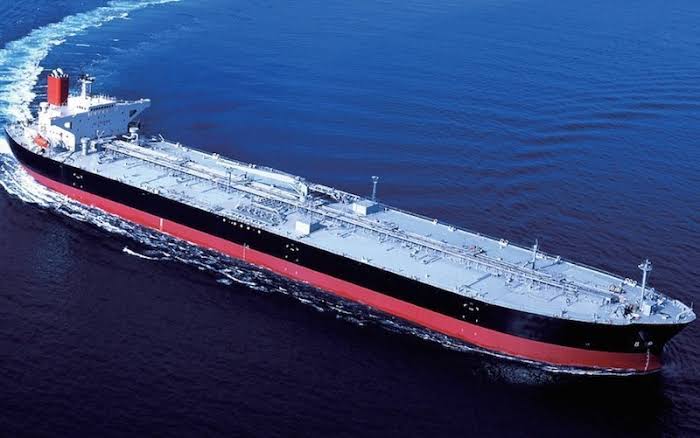
A new maritime security incident off Oman's coastline has once again drawn attention to the growing instability affecting one of the world's most strategically important shipping corridors. Situated near the Strait of Hormuz, Oman lies at the gateway through which a significant share of global oil, chemicals, and containerized cargo passes each day. Any disruption in these waters has immediate implications for international trade, freight markets, and supply chain planning.
While the full operational impact of the latest incident continues to be assessed, businesses are already evaluating potential risks to shipping schedules, insurance costs, and procurement strategies as geopolitical tensions remain elevated.
Why Oman's Coastline Is Strategically Important
Oman's coastline borders major international shipping lanes connecting the Arabian Gulf with the Arabian Sea and the Indian Ocean.
Its strategic importance includes:
Access to the Strait of Hormuz.
Critical transit route for crude oil and LNG exports.
Major corridor for chemical and petrochemical shipments.
Key gateway for containerized cargo moving between Asia, Europe, and Africa.
Important logistics infrastructure supporting regional trade.
Because of its location, even isolated security incidents can influence global shipping confidence.
Growing Maritime Security Concerns
Recent events highlight the increasing risks facing commercial vessels operating near conflict-sensitive waters.
Shipping companies are closely monitoring:
Vessel security threats.
Navigation advisories from maritime authorities.
Temporary route adjustments.
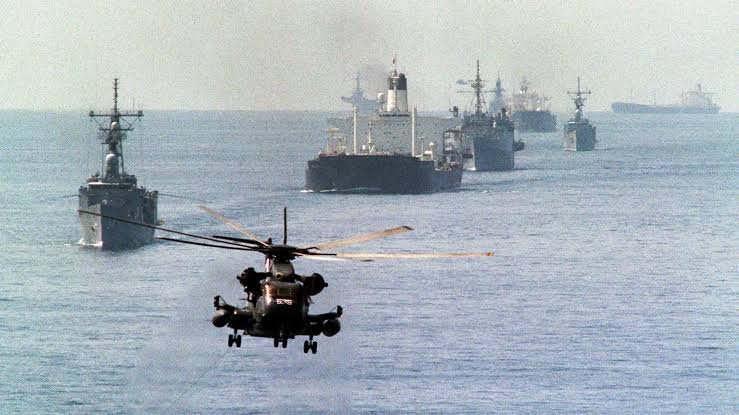
Increased naval patrols.
Operational delays caused by enhanced inspections.
Although commercial traffic continues, heightened security conditions often translate into additional operational costs.
Impact on Global Freight Markets
Maritime incidents near strategic waterways frequently influence freight pricing, even when shipping remains operational.
Potential market effects include:
Higher war-risk insurance premiums.
Increased fuel consumption due to route deviations.
Rising freight surcharges.
Longer vessel transit times.
Greater scheduling uncertainty.
These additional costs are often reflected in the final landed cost of internationally traded goods.
Implications for Chemical and Pharmaceutical Supply Chains
The Gulf region remains a major production and export hub for chemicals, petrochemicals, and pharmaceutical raw materials.
Industries that could experience increased logistics pressure include:
Companies dependent on reliable maritime transportation may need to reassess inventory levels and shipment timing if disruptions become more frequent.
Procurement Strategies During Heightened Maritime Risk
Procurement leaders should prepare for continued uncertainty by strengthening supply chain resilience.
Recommended actions include:
Monitor Freight and Insurance Costs
Track changes in freight rates, fuel surcharges, and marine insurance premiums that may affect procurement budgets.
Diversify Logistics Routes
Evaluate alternative shipping corridors and transshipment options where commercially feasible.
Increase Supply Chain Visibility
Leverage real-time shipment tracking and maritime intelligence to identify potential delays early.
Coordinate Closely with Logistics Providers
Maintain regular communication with freight forwarders and carriers regarding vessel routing and expected transit times.
Review Inventory Policies
Consider strategic inventory buffers for essential raw materials that may be exposed to transportation disruptions.
What Businesses Should Watch
Over the coming weeks, organizations should closely monitor:
Maritime security advisories.
Vessel traffic through the Strait of Hormuz.
Freight rate movements.
War-risk insurance updates.
Port operations across the Gulf region.
Regional geopolitical developments.
Timely monitoring enables companies to adapt procurement and logistics strategies before disruptions significantly impact operations.
Conclusion
The latest incident off Oman's coastline reinforces the ongoing vulnerability of one of the world's most important maritime trade routes. Even when shipping continues uninterrupted, increased security risks can lead to higher freight costs, insurance premiums, and operational uncertainty.
For procurement, logistics, and supply chain professionals, maintaining visibility into geopolitical developments and strengthening contingency planning will be essential to minimizing disruptions and ensuring reliable access to global markets in the months ahead.