OMV Petrom Strategy 2030: Romania's €11 Billion Energy Investment Reaches the Halfway Mark
OMV Petrom has already deployed €5.4 billion of its planned €11 billion Strategy 2030 investment programme, putting Romania's largest integrated energy producer halfway through a major capital spending cycle. The company expects first gas from the Neptun Deep offshore project in the first half of 2027, creating an important new source of natural gas for Romania and the wider Southeast European market.
For chemical traders, procurement managers and industrial buyers, the investment programme matters beyond the energy sector. Changes in regional gas availability can influence feedstock economics, industrial operating costs, power markets and the competitiveness of gas-intensive manufacturing across the region.
OMV Petrom Strategy 2030 Moves Into a Critical Phase
OMV Petrom launched Strategy 2030 to reshape its business while maintaining reliable energy supply. The programme covers approximately €11 billion of planned investments between 2022 and 2030 and combines regional gas development with lower-carbon projects and optimization of traditional operations.
The company has structured the strategy around three main directions:
Growing regional gas, with Neptun Deep as the flagship project in the Romanian Black Sea.
Moving toward low and zero-carbon activities, including renewable power, sustainable fuels and other transition projects.
Optimizing the traditional business, including exploration, production, refining and power generation.
The latest progress shows that capital deployment has moved beyond the planning stage. OMV Petrom reported that around half of the €11 billion investment programme had already been made, with €5.4 billion invested since Strategy 2030 began.
The pace of spending also provides a useful signal for industrial suppliers. Large energy projects create demand across engineering, equipment, maintenance, logistics and technical services, while the resulting energy infrastructure can affect downstream manufacturing economics.
Neptun Deep Brings Romania's Gas Strategy Into Focus
The biggest near-term development within the programme is Neptun Deep, a major offshore natural gas project in the Romanian Black Sea. OMV Petrom and Romgaz each hold a 50% interest, with OMV Petrom acting as operator.
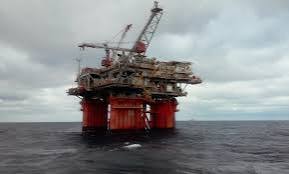
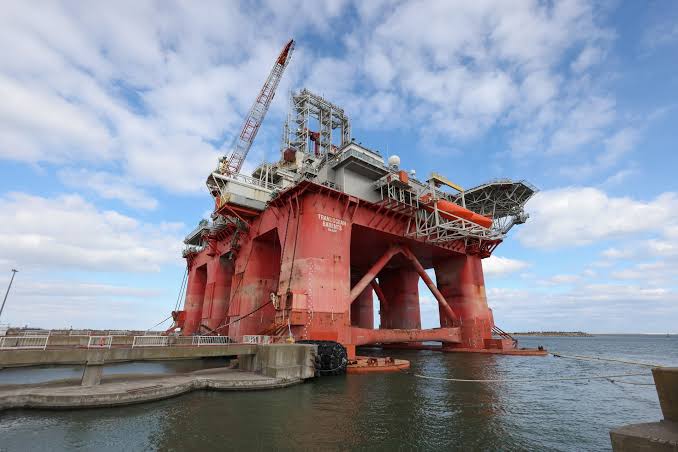
The project is now approaching its production phase. The Neptun Alpha production platform has been installed and offshore infrastructure work continues, while development drilling is advancing toward completion.
First gas is expected to enter Romania's national transmission system during the first half of 2027. Production is then expected to ramp up, with the project targeting plateau production by the end of the third quarter of 2027.
At plateau, Neptun Deep is expected to produce around 8 billion cubic metres of natural gas annually on a 100% project basis. That volume gives the project significance not only for OMV Petrom but also for Romania's broader energy supply position.
For industrial buyers, the timing is particularly relevant. Gas availability affects the economics of sectors such as fertilizers, chemicals, glass, ceramics, metals and other energy-intensive industries.
Why Regional Gas Supply Matters to Chemical Buyers
Natural gas plays two roles for many chemical manufacturers. It can serve as an energy source for heat and power, while in some processes it also functions as a feedstock for products such as ammonia, hydrogen and methanol.
Greater regional production does not automatically translate into lower prices for every buyer. However, additional domestic supply can strengthen the physical supply base and potentially reduce exposure to some import-related constraints.
For procurement teams, the more important question is how new production changes the regional balance between supply, demand, storage and pipeline capacity. Buyers should therefore watch several developments rather than focusing only on headline production volumes.
Key factors include:
Pipeline connectivity, which determines where new gas can move after production.
Industrial demand, particularly from gas-intensive manufacturing and power generation.
Storage levels, which influence seasonal supply security.
Regional trading conditions, since Romanian gas markets remain connected to the wider Southeast European system.
Long-term contracting, which can affect how industrial consumers manage exposure to spot market movements.
The expected Neptun Deep output could therefore become an important variable in procurement planning as the project moves toward commercial production.
€11 Billion Investment Extends Beyond Natural Gas
Although Neptun Deep receives much of the attention, OMV Petrom's Strategy 2030 covers a much broader transformation. The company's investment framework allocates capital across regional gas growth, low and zero-carbon activities and its established energy businesses.
Around 25% of the overall €11 billion investment programme is currently allocated to low and zero-carbon projects. This creates a portfolio that combines conventional energy infrastructure with newer activities designed to support the energy transition.
OMV Petrom is also developing renewable power projects and targeting more than 2.5 GW of installed renewable capacity by 2030, including partnerships. Battery storage forms another part of the company's evolving power portfolio.
The company is also expanding sustainable fuel capabilities. Its Petrobrazi refinery is being developed to support sustainable aviation fuel and renewable diesel production, while electric vehicle charging infrastructure is expanding across the region.
This mix is significant for chemical suppliers because energy transition projects require different materials, technologies and industrial inputs from conventional oil and gas operations. Procurement opportunities can therefore emerge across multiple parts of the investment programme.
What the Spending Pace Means for Industrial Supply Chains
The scale of the programme creates a long investment horizon for companies that supply energy and industrial projects. The capital already deployed represents substantial activity, but the remaining investment still leaves several years of project development ahead.
OMV Petrom expects annual investments to average approximately €1.7 billion during 2024 to 2026 before continuing at around €1 billion annually from 2027 to 2030. This creates a continuing pipeline of spending rather than a single project-driven investment spike.
For chemical and industrial suppliers, this can create opportunities in areas such as:
Process chemicals and treatment products, used across energy and industrial facilities.
Maintenance chemicals, required to keep large assets operating reliably.
Industrial gases and related materials, supporting construction, commissioning and ongoing operations.
Refinery and petrochemical inputs, linked to the company's established downstream activities.
Materials for energy transition projects, including renewable power, storage and sustainable fuel facilities.
Buyers should also consider the geographic dimension. Projects in Romania can create demand for suppliers capable of supporting deliveries into Southeast Europe, particularly where project schedules require dependable logistics and consistent product specifications.
Neptun Deep Could Reshape the Regional Energy Picture
The significance of Neptun Deep extends beyond the production site itself. The project is designed to add a major domestic source of natural gas to Romania's energy system at a time when regional markets continue to adapt to changing supply patterns.
The project's expected plateau phase is particularly important. OMV Petrom estimates that plateau production could last for almost 10 years, giving the development a substantial operating horizon.
For manufacturers, a long-duration domestic supply source can improve visibility around regional energy availability. That does not remove market volatility, but it can provide another foundation for procurement and production planning.
The project also connects upstream development with downstream economic activity. Natural gas can support power generation, industrial heating and chemical feedstock requirements, meaning its impact can extend well beyond the companies directly involved in extraction.
Procurement Priorities as Romania Approaches First Gas
The period leading up to first gas will be important for companies that purchase energy or energy-linked chemical inputs in Romania and neighboring markets. Procurement teams should use the remaining development period to evaluate how changing regional supply conditions could affect their sourcing strategies.
A practical approach should include several areas of preparation.
Review gas exposure. Companies with significant natural gas consumption should assess how much of their cost base depends on regional gas pricing and whether current contracts provide adequate flexibility.
Track infrastructure progress. Production volumes only become commercially useful when associated offshore, transmission and processing infrastructure operates as planned. Buyers should monitor project milestones alongside production targets.
Reassess feedstock economics. Gas-intensive chemical manufacturers should examine how changing regional availability could influence the economics of ammonia, methanol, hydrogen and other gas-linked products.
Diversify suppliers where appropriate. Additional Romanian production can strengthen regional supply, but procurement resilience still depends on maintaining alternatives across suppliers, routes and contract structures.
Watch Southeast European demand. Romania's position within the regional energy market means changes in domestic supply can influence neighboring markets as well. Importers and exporters should therefore evaluate Romanian developments in the context of broader regional trade flows.
Looking Ahead to 2027
OMV Petrom's Strategy 2030 has reached an important midpoint, with €5.4 billion already invested from the planned €11 billion programme. The next phase will be shaped by the delivery of major projects, particularly Neptun Deep, alongside continued investment in renewable power, sustainable fuels, storage and traditional energy operations.
The expected arrival of first gas in the first half of 2027 gives industrial buyers a clear milestone to monitor. As the project moves from construction toward production, the resulting change in Romania's domestic gas supply could become increasingly relevant to chemical manufacturing costs, power demand and regional procurement strategies.
For chemical traders and industrial buyers, the key issue is not simply how much gas Romania will produce. The larger question is how that supply interacts with infrastructure, regional demand, energy pricing and the evolving investment landscape across Southeast Europe.
Methanol
Found this useful?