Starch procurement increasingly depends on factors that begin far beyond the food processing plant. Changing weather patterns, irregular rainfall, drought conditions and crop volatility can influence the availability and cost of agricultural raw materials used to produce food-grade starch.
Corn, wheat, cassava and potatoes each have different growing cycles and geographic production patterns. When weather disrupts one major crop region, processors can face tighter raw material supplies, higher operating costs and greater competition for available starch.
For food manufacturers, this makes starch supply chain risk a strategic procurement issue rather than a simple purchasing concern. Buyers need greater visibility into crop exposure, supplier capacity, inventory levels and alternative ingredients to protect production against unexpected disruptions.
How Climate Volatility Affects Starch Supply
Most conventional starches depend directly or indirectly on agricultural crops. Climate conditions therefore influence the supply chain before starch manufacturers begin processing raw materials.
Drought can reduce yields and increase competition for water, while excessive rainfall can delay planting or harvesting. High temperatures, unexpected cold periods and changing seasonal patterns can also affect crop development.
These disruptions can create several downstream effects:
Lower crop yields: Reduced agricultural output can tighten raw material availability.
Higher farm costs: Irrigation, fertilizer and other production expenses can increase during difficult growing seasons.
Processing pressure: Starch producers may face higher raw material costs and uneven supply.
Price volatility: Buyers can encounter faster changes in supplier quotations when availability tightens.
Longer lead times: Limited inventory can make replenishment more difficult.
Greater competition: Food, feed, biofuel and industrial users may compete for the same agricultural raw materials.
Procurement teams therefore need to monitor agricultural conditions as part of their ingredient sourcing strategy.
Corn, Wheat, Cassava and Potato Face Different Risks
There is no single climate-risk profile for starch. Each raw material has its own geographic footprint and agricultural characteristics.
Corn starch is exposed to weather conditions in major corn-growing regions. Drought during critical development stages can affect yields, while excessive rainfall can interfere with planting and harvesting.
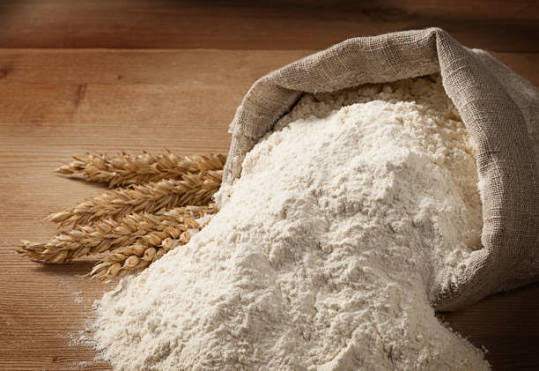
Wheat starch depends on wheat production and processing. Weather disruptions in major wheat-producing regions can influence both raw material availability and broader grain-market pricing.
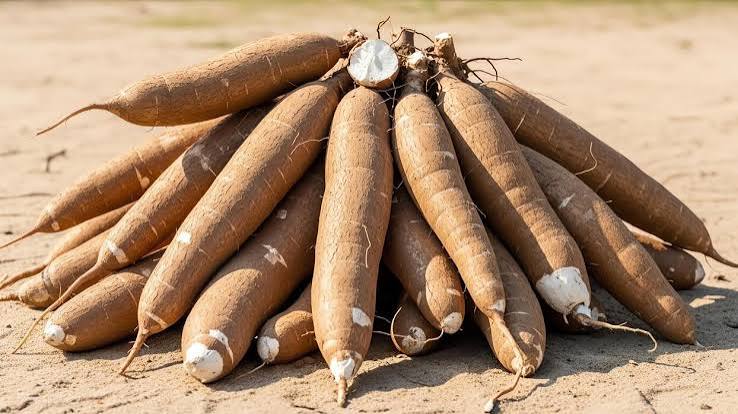
Tapioca starch depends on cassava production, with Southeast Asia serving as an important supply region for international trade. Rainfall, crop conditions and farm economics can affect cassava availability and therefore starch production.
Potato starch is linked to potato cultivation and processing capacity. Weather conditions can affect yields while competing demand from fresh, frozen and processed potato markets can influence the amount available for starch production.
These differences give procurement teams an opportunity to diversify sourcing across starch categories where formulations allow.
Crop Volatility Can Quickly Become a Pricing Issue
A change in crop availability does not automatically translate into a higher starch price, but prolonged supply pressure can affect the economics of starch production.
Raw material costs represent one part of the equation. Starch processors also face expenses related to energy, labor, water, processing equipment, packaging and transportation.
When several costs rise simultaneously, suppliers may adjust quotations even if the underlying crop price has moved only moderately.
Buyers should therefore track multiple indicators rather than relying on one commodity benchmark. A useful procurement dashboard can monitor:
Regional crop conditions.
Planting and harvest progress.
Raw material prices.
Energy costs.
Export availability.
Freight rates.
Currency movements.
Supplier inventory.
Manufacturing capacity.
Customer demand.
This broader view can provide earlier warning of potential starch price pressure.
Regional Concentration Creates Additional Exposure
A manufacturer can have several suppliers and still face substantial risk if those suppliers depend on the same production region.
This issue becomes particularly important when a specific starch category has concentrated production or export infrastructure. A weather event in a major producing area can affect multiple suppliers simultaneously.
Procurement teams should map the supply chain beyond the immediate vendor. They should identify the starch producer, raw material origin, processing location and principal export route.
Supplier diversification is most effective when it creates genuine geographic and production diversity.
Inventory Strategy Needs to Reflect Climate Risk
Traditional inventory planning often relies on historical consumption and average lead times. Climate volatility makes those assumptions less reliable.
A supplier that normally delivers within a predictable period may experience delays if raw material availability falls or export logistics become congested.
Manufacturers should therefore set safety-stock levels according to product criticality and supply exposure.
Critical starches with few qualified alternatives may justify higher safety stock than ingredients with multiple approved substitutes. Buyers can also use rolling forecasts to identify periods of unusually high demand before they place replenishment orders.
The goal is not to accumulate excessive inventory. It is to create enough buffer to absorb realistic supply interruptions.
Alternative Starches Can Strengthen Sourcing Flexibility
Formulation flexibility can reduce the commercial impact of crop-related disruptions. Where technically appropriate, manufacturers can qualify alternative starches before they become urgently needed.
For example, a food manufacturer may evaluate corn starch alongside tapioca starch or potato starch for selected applications. Wheat starch can also provide an alternative in formulations where its characteristics and labeling requirements are suitable.
Substitution does not necessarily require a complete formulation change. Some products may accommodate partial replacement or controlled blends.
However, R&D teams should validate viscosity, texture, stability, processing behavior and sensory characteristics before procurement treats an alternative as an approved contingency.
Modified Starch Adds Another Layer to Procurement Planning
Climate-related supply risk becomes more complex when manufacturers rely on specialized modified starch grades.
A modified starch may provide resistance to heat, acidity, shear or freeze-thaw conditions that a native starch cannot reproduce. This limits the number of technically acceptable alternatives.
For these products, procurement teams should identify the specific functionality that makes the grade critical.
A suitable contingency plan can include:
A second supplier producing the same grade.
An alternative production origin.
A technically qualified equivalent.
A formulation using a different starch system.
Additional inventory during high-risk periods.
The earlier these alternatives are tested, the more options a manufacturer has when supply conditions deteriorate.
Weather Monitoring Should Become Part of Procurement Intelligence
Procurement teams do not need to become agricultural specialists, but they should understand the weather and crop signals that can affect their key starch categories.
The most useful indicators often occur before a shortage reaches the ingredient market. Planting conditions, rainfall patterns and crop development can provide early signals about potential supply changes.
Buyers can use this information to adjust purchasing schedules, increase supplier engagement or review alternative origins.
Regular supplier conversations can also provide valuable operational intelligence. Starch producers may identify raw material constraints before those issues become visible through market quotations.
Supplier Contracts Need Greater Flexibility
Long-term purchasing agreements can provide supply and price visibility, but climate-related uncertainty may require more flexible contract structures.
Buyers should consider how agreements address changes in raw material availability, production interruptions and delivery delays.
Important commercial questions include:
Volume commitments: Can the supplier maintain agreed quantities during periods of reduced raw material availability?
Lead times: How much advance notice does the buyer receive if production or shipment schedules change?
Allocation: How does the supplier prioritize customers during a shortage?
Pricing mechanisms: Does the agreement provide a transparent framework for significant cost changes?
Alternative origin: Can the supplier offer material from another qualified production site?
Contract design cannot eliminate agricultural risk, but it can clarify responsibilities when market conditions change.
Global Logistics Can Amplify Agricultural Disruptions
Crop problems do not occur in isolation from logistics. A tight agricultural market can coincide with higher freight costs, port congestion or reduced container availability.
This can create a double effect for importers. The ingredient itself becomes more expensive while transportation adds another layer of cost.
Buyers should therefore evaluate both product origin and logistics route when comparing suppliers.
A supplier with a slightly higher ex-works price may still provide the better commercial option if it offers a shorter route, more reliable shipment schedule or lower inland transportation cost.
Not every product faces the same starch supply risk. Procurement teams should identify formulations where a starch shortage would create the greatest operational or commercial impact.
Products deserve higher priority when they have:
High starch consumption.
Limited approved substitutes.
Long customer-approval cycles.
High production volumes.
Short finished-product shelf life.
Strict texture specifications.
Heavy dependence on a single supplier.
This prioritization helps manufacturers direct inventory and qualification resources toward their most vulnerable products.
Cost Management Requires a Longer Planning Horizon
Buying starch only when inventory becomes low can expose manufacturers to unfavorable market conditions. Climate-driven volatility makes short-term purchasing even more challenging.
A stronger approach combines forward demand planning with market monitoring.
Procurement teams can consider staggered purchases when market conditions and storage economics support them. They can also negotiate supply commitments with qualified suppliers before seasonal crop uncertainty becomes more pronounced.
For larger manufacturers, a portfolio approach can work well. A portion of demand can come from contracted suppliers while another portion remains flexible enough to respond to market opportunities.
Sustainability and Climate Risk Are Becoming Connected
Climate risk increasingly affects both supply security and corporate sustainability planning. Food manufacturers may need to understand how their ingredient supply chains respond to water stress, changing weather conditions and agricultural resource constraints.
This creates new questions for suppliers.
Buyers may increasingly evaluate raw material sourcing, water management, energy use and agricultural practices alongside conventional quality and commercial criteria.
The objective should be practical risk management rather than simply collecting sustainability documentation. Understanding how a supplier manages resource constraints can provide useful insight into its long-term supply resilience.
Building a Climate-Resilient Starch Procurement Strategy
A resilient starch program should combine several layers of protection rather than rely on a single solution.
Manufacturers can strengthen their position by:
Diversifying origins: Source critical starches from multiple regions where practical.
Qualifying alternatives: Test different starch categories that can perform the required function.
Maintaining strategic inventory: Set safety stock based on supply risk and replenishment time.
Monitoring crops: Track relevant agricultural conditions before they affect ingredient availability.
Strengthening supplier relationships: Maintain regular communication with primary and backup suppliers.
Reviewing contracts: Establish clear procedures for shortages, delays and major cost changes.
Using cost-in-use analysis: Compare alternatives according to actual formulation economics rather than purchase price alone.
This layered approach gives procurement teams more options when an agricultural disruption affects the market.
What Procurement Teams Should Do Now
Climate and crop volatility are changing the way food manufacturers need to approach starch sourcing. Buyers can no longer evaluate supply security solely by looking at historical supplier performance or current inventory.
The most effective strategy starts with supply-chain mapping. Manufacturers should identify which crops support their critical starches, where those crops are grown, how concentrated production is and which alternative suppliers can respond during a disruption.
Procurement teams should also work closely with R&D to prequalify substitute starches. This can turn an emergency reformulation into a controlled sourcing decision.
Finally, buyers should monitor crop conditions, processing costs, freight and demand together. Early signals can provide valuable time to secure material before a temporary supply problem develops into a major procurement challenge.
Starch will remain essential to processed food, frozen food, bakery and convenience product manufacturing. As climate variability introduces greater uncertainty into agricultural supply chains, manufacturers that invest in diversified sourcing, technical flexibility and proactive inventory planning will be better positioned to protect both production and margins.