Origin Materials' PET Bottlecap Story Shows the Risk Behind Sustainable Packaging Partnerships
In March 2026, Origin Materials announced HP Embalagens, a major Brazilian packaging supplier to brands like Nestlé and Johnson & Johnson, as a strategic distributor for its recyclable PET bottlecaps. That deal followed partnerships with Berlin Packaging in August 2025 and Matrix Bottling Group in February 2026, building what looked like genuine global distribution momentum for sustainable, mono-material packaging.
Six weeks later, Origin's board approved a full plan of liquidation and dissolution. The company is now winding down entirely.
What the Distribution Story Actually Looked Like
Origin's PET cap technology was built to solve a specific regulatory problem. Traditional bottle caps typically use HDPE or polypropylene, which complicates recycling because bottles and caps made of different plastics have to be separated before processing. Origin's CapFormer technology thermoforms caps directly from PET, matching the material of the bottle itself and simplifying single-stream recycling.
That innovation aligned closely with tightening packaging regulation across major markets, including extended producer responsibility rules and recyclability mandates that have been pushing brands toward mono-material packaging for several years. The distribution partnerships reflected real commercial interest.
Berlin Packaging, announced August 2025, gave Origin access to a broad distribution network across multiple regions.
Matrix Bottling Group, announced February 2026, focused on mass production trials for beverage brands in the United States, starting with 28 millimeter caps.
HP Embalagens, announced March 2026, extended distribution into Brazil through a supplier already serving global consumer brands.
Origin was also building out physical production capacity, with six CapFormer lines fully procured in 2026 and targeted for installation by year end.
The Reversal Came Quickly
On May 1, 2026, Origin's board determined that selling its PET cap technology and remaining assets, followed by an orderly wind down, was in shareholders' best interest. The company had disclosed that without near-term financing, its cash reserves would only carry planned operations into the third quarter of 2026, and a year of strategic review had not produced a transaction the board viewed as more valuable than an asset sale.
The company cut its workforce by 59% immediately, with most affected employees departing by the end of May. Shareholders approved the Plan of Dissolution at a special meeting on July 1, 2026, and the company's common stock was delisted from Nasdaq effective July 2, 2026, with SEC deregistration following in the weeks after.
Why This Matters Beyond One Company
The gap between Origin's commercial momentum and its financial reality is the real lesson here. Distribution partnerships and production capacity announcements can look like strong signals of a supplier's staying power, but they say nothing about the balance sheet behind them.
A few structural points are worth noting for anyone evaluating similar sustainable packaging suppliers.
Innovative packaging technology companies are often venture-backed or newly public, meaning cash runway can be a bigger risk factor than technical performance or regulatory fit.
Distribution and manufacturing partnerships announced in press releases reflect intent and pilot activity, not necessarily committed, at-scale supply volumes.
A supplier's public disclosures, including cash reserve statements and going concern language in regulatory filings, are often available well before a wind down is formally announced.
What Happens to the Technology Now
Origin's PET cap technology and remaining assets are being marketed for sale as part of the wind down process, meaning the underlying innovation may continue under new ownership even though Origin itself will not. Buyers who had engaged with Origin on qualification trials or supply discussions should expect any continuity to depend entirely on whether a buyer emerges and how quickly they can restart commercial operations.
That uncertainty is itself instructive. Packaging buyers building sustainability roadmaps around a single innovative supplier's technology should have contingency plans in place, particularly when that supplier is early stage and has not yet reached durable profitability.
What Packaging Buyers Should Do Now
Regulatory pressure on plastic packaging waste is real and intensifying, and Origin's underlying technology addressed a genuine gap in PET recyclability. The company's collapse does not undercut that market need, but it does underline how much supplier financial health matters when building a packaging sourcing strategy around next-generation materials.
Buyers evaluating sustainable packaging partners should look past the innovation story and dig into the supplier's funding position, customer concentration and cash runway before committing significant volume. Diversifying across multiple suppliers or technologies, rather than depending on one emerging player, remains the more resilient approach heading into a period when packaging regulation shows no sign of easing.
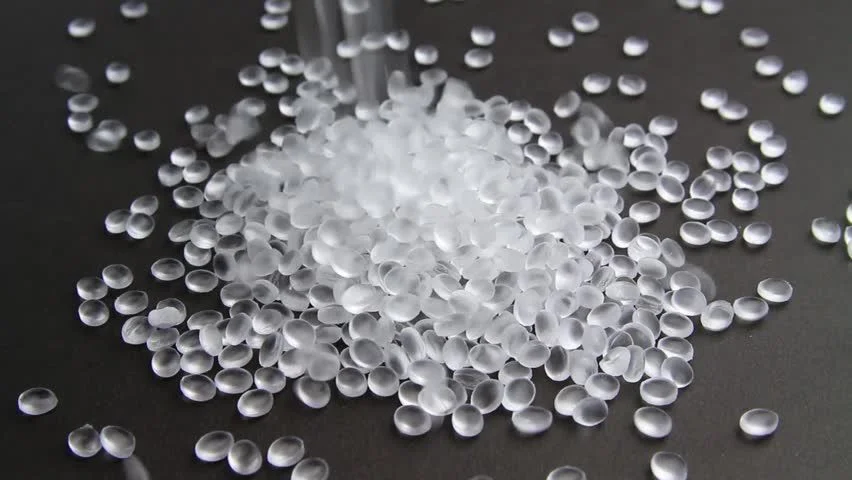
Polyethylene Terephthalate (PET)
Found this useful?