
Overton's FDA Confirmation Process and Petrochemical-Derived Pharma Excipient Approvals
The pharmaceutical supply chain depends on more than active ingredients. Pharmaceutical excipients, processing materials and packaging components can determine whether a finished medicine meets the quality and regulatory requirements needed for market access. As the FDA leadership transition under nominee Heidi Overton moves through its confirmation process, companies supplying petrochemical-derived materials may face greater attention around approval pathways and documentation.
For chemical traders, procurement managers, importers and exporters, the issue is less about an immediate change in material demand and more about how regulatory priorities can shape purchasing decisions. Suppliers that can provide consistent specifications, traceability and strong technical documentation may gain an advantage as pharmaceutical manufacturers assess their exposure to regulatory uncertainty.
FDA Leadership Transition and Pharmaceutical Materials
Leadership changes at the FDA can influence how the agency approaches regulatory priorities, review processes and manufacturing oversight. The confirmation process surrounding Heidi Overton therefore carries indirect relevance for companies that supply materials used throughout pharmaceutical production.
Petrochemical-derived materials can appear in several parts of the pharmaceutical value chain. Some serve as excipients or processing aids while others support the manufacture, protection or delivery of finished products through packaging systems.
For buyers, this means regulatory developments can affect sourcing even when a chemical does not represent the active pharmaceutical ingredient. A material may still require extensive documentation to demonstrate suitability, consistency and compliance within a pharmaceutical manufacturing environment.
Why Petrochemical-Derived Excipients Matter to Pharma Buyers
Excipients perform functional roles that allow pharmaceutical formulations to achieve the required physical and chemical characteristics. Depending on the formulation, they can support stability, flow, dissolution, texture, preservation or controlled delivery.
Petrochemical-derived inputs can offer manufacturers advantages such as predictable composition, scalable production and consistent performance. However, pharmaceutical buyers also need confidence that suppliers can maintain the required specifications from one shipment to the next.
Procurement teams typically evaluate factors such as:
Material consistency: Batch-to-batch uniformity helps manufacturers maintain formulation performance and reduce production variability.
Technical documentation: Specifications, certificates of analysis and supporting quality documents help purchasing teams demonstrate material control.
Traceability: Clear information about manufacturing origin and supply routes can strengthen internal quality systems.
Supply continuity: Reliable availability becomes especially important when a material forms part of an established pharmaceutical formulation.
Regulatory suitability: Buyers need materials that fit the requirements of the intended pharmaceutical application and market.
These considerations make supplier selection a strategic issue rather than a simple price comparison.
How FDA Scrutiny Can Influence Excipient Procurement
A shift in regulatory attention can influence pharmaceutical procurement without immediately changing the underlying chemistry market. Manufacturers may respond by reviewing approved suppliers, strengthening qualification procedures or requesting additional technical information from chemical vendors.
This can create a downstream effect for traders and distributors. A supplier that previously competed primarily on price may need to demonstrate stronger quality controls and documentation to remain attractive to pharmaceutical customers.
Procurement departments may also increase scrutiny of alternative materials. If a manufacturer considers switching from one petrochemical-derived excipient or packaging input to another, the change can trigger additional technical evaluation and regulatory review depending on the material and its intended use.
For chemical suppliers, the commercial implication is clear: regulatory readiness can become part of the product value proposition.

Documentation Becomes a Competitive Advantage
Pharmaceutical manufacturers need more than physical material availability when purchasing chemicals for regulated production. They need reliable information that allows quality and regulatory teams to evaluate the material throughout its intended lifecycle.
A well-prepared supplier can support buyers with consistent product specifications, batch documentation and clear manufacturing information. Strong documentation can reduce friction during supplier qualification and make it easier for procurement teams to compare competing sources.
This becomes particularly important when materials originate from complex petrochemical supply chains. Multiple production stages, intermediaries and international shipping points can make traceability more difficult if suppliers do not maintain clear records.
Chemical traders serving pharmaceutical customers should therefore treat documentation as part of the commercial offering. A competitively priced material with weak supporting information may prove less attractive than a slightly higher-priced product from a supplier with stronger quality controls.
Implications for Pharmaceutical Packaging Materials
The regulatory discussion extends beyond excipients. Pharmaceutical packaging materials also influence product protection, stability and quality throughout storage and distribution.
Petrochemical-derived polymers and related materials can form part of containers, closures, protective layers and other packaging systems. Their performance can affect moisture protection, chemical compatibility, mechanical integrity and product shelf life.
A change in regulatory expectations could encourage pharmaceutical manufacturers to reassess packaging inputs alongside formulation materials. This creates opportunities for suppliers that can provide consistent material grades and detailed technical information for the intended application.
For importers and exporters, packaging materials also introduce another procurement consideration: the finished application matters as much as the commodity specification. A polymer or chemical grade that performs well in one industrial application may not automatically satisfy the requirements of a pharmaceutical packaging system.
What the FDA Confirmation Process Means for Global Chemical Trade
Global pharmaceutical manufacturing relies on international chemical supply chains. Raw materials may originate in one country, undergo processing in another and reach a pharmaceutical manufacturer through several trading or distribution channels.
Regulatory developments in the United States can therefore influence commercial behavior beyond the domestic market. Multinational pharmaceutical companies often align sourcing strategies across facilities and may seek consistent standards across regions.
For exporters, this can increase the importance of understanding the final application of the chemical being traded. A supplier selling into pharmaceutical manufacturing should know whether the customer requires a general industrial grade, a specialized pharmaceutical grade or material supported by specific regulatory documentation.
The confirmation process under Heidi Overton could therefore become a factor that procurement teams monitor while evaluating future sourcing strategies. The effect is likely to appear through qualification practices, documentation requests and supplier reviews rather than through an immediate transformation in chemical consumption.
How Procurement Teams Can Prepare for Regulatory Changes
Buyers do not need to wait for a regulatory shift before strengthening their sourcing strategies. A structured procurement approach can help pharmaceutical manufacturers reduce disruption if documentation requirements or supplier expectations become more demanding.
Several actions can improve supply-chain resilience:
Review critical excipients: Identify materials where a supply interruption or supplier change could affect pharmaceutical production.
Map supplier documentation: Check whether current vendors provide consistent certificates, specifications and traceability information.
Evaluate alternative sources: Develop qualified secondary suppliers before an urgent requirement emerges.
Assess application-specific suitability: Confirm that alternative chemical grades meet the technical requirements of the intended pharmaceutical process.
Monitor regulatory developments: Keep regulatory, quality and procurement teams aligned when leadership changes could affect future oversight priorities.
These steps can also benefit traders. Suppliers that anticipate buyer requirements can respond faster when pharmaceutical customers request alternative sources or additional documentation.
Opportunities for Chemical Suppliers Serving Pharma
Regulatory attention does not necessarily create only risks for the chemical trading sector. It can also reward suppliers that understand the specific needs of pharmaceutical manufacturers.
A trader that combines competitive sourcing with dependable documentation can become more valuable to buyers seeking supply-chain stability. This is particularly relevant when customers operate across multiple markets and need confidence that their suppliers can support ongoing quality requirements.
Suppliers can strengthen their market position by focusing on:
Reliable manufacturing partners with established quality systems.
Clear product specifications that match customer requirements.
Consistent batch quality and shipment documentation.
Traceable sourcing and transparent commercial channels.
Responsive technical support when customers evaluate alternative materials.
For importers and distributors, these capabilities can differentiate a pharmaceutical-focused supply service from a commodity trading operation.
Market Outlook for Petrochemical-Derived Pharma Materials
The pharmaceutical industry will continue to require functional materials that support formulation, processing and packaging. Petrochemical-derived inputs remain relevant because manufacturers value predictable performance, scalable production and established supply chains.
The regulatory environment can influence how companies qualify and manage those materials. If FDA priorities change during the leadership transition, procurement teams may respond by placing greater emphasis on supplier documentation, material traceability and quality assurance.
That does not mean every petrochemical-derived material will face the same treatment. Requirements can vary according to the material, application, manufacturing process and regulatory pathway involved.
For chemical traders, the broader market signal is that pharmaceutical customers increasingly value quality assurance alongside price and availability. Suppliers that prepare for this shift can strengthen relationships with buyers and improve their ability to compete for regulated-market business.
The Bottom Line for Pharmaceutical Procurement Teams
The FDA leadership transition under nominee Heidi Overton could carry indirect significance for petrochemical-derived pharmaceutical excipients and packaging materials. The most important commercial impact may come through changing expectations around qualification, documentation and supplier oversight rather than an immediate change in chemical demand.
For procurement managers, this is a reason to examine critical material sourcing before requirements become more demanding. For traders, importers and exporters, it reinforces the value of dependable suppliers, consistent quality and application-specific technical support.
The companies best positioned to navigate regulatory changes will be those that treat compliance readiness as part of supply-chain strategy. Competitive pricing still matters, but pharmaceutical buyers increasingly need suppliers that can deliver the right material with the information and consistency required for regulated manufacturing.
Ready to source Fumed Silica from verified global suppliers? Explore competitive offers on our platform today.
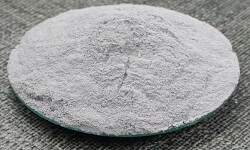
Fumed Silica
Found this useful?