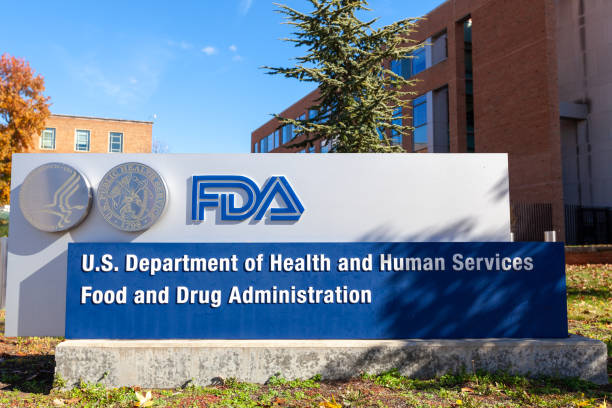
Overton's FDA Nomination Follows a Turbulent Leadership Period at the Agency
Heidi Overton's nomination to lead the FDA follows a tumultuous period for the agency. C&EN recently described this era as highly disruptive for regulatory operations and industry planning. This leadership transition raises immediate questions about regulatory continuity for pharmaceutical and chemical ingredient approvals. Procurement managers and chemical traders must closely monitor these administrative developments. The FDA directly dictates import protocols and facility inspections for global chemical suppliers. A shift in commissioner priorities often translates to revised enforcement discretion and updated compliance frameworks. Buyers sourcing active pharmaceutical ingredients must anticipate these regulatory pivots before they become official policy. Supply chain resilience now depends entirely on proactive compliance strategies. Establishing robust quality management systems will separate reliable suppliers from those facing sudden border delays. Proactive engagement with regulatory consultants ensures your supply chain remains uninterrupted during this administrative shift.
Understanding the Tumultuous FDA Leadership Period
The recent history of the FDA has seen frequent leadership changes and internal reorganization. This volatility created significant uncertainty for international chemical exporters operating in the United States market. Conflicting guidance and inconsistent enforcement actions became common complaints from industry stakeholders and trade associations. Drug industry leaders actively evaluated these disruptions for their direct operational impacts on raw material sourcing. A stable commissioner can restore much-needed predictability to the complex chemical import process. Overton brings a White House background that suggests a strong focus on administrative efficiency and streamlined processes. Industry associations reasonably expect a comprehensive review of existing guidance documents and current enforcement priorities. This internal review could accelerate approval pathways for well-documented chemical formulations. Conversely it may tighten scrutiny on specific high-risk supply routes or regions with a history of compliance failures. Procurement teams must recognize that regulatory stability is rarely immediate during leadership transitions.
Impact on Pharmaceutical and Chemical Ingredient Approvals
The pharmaceutical and food additive sectors represent the most sensitive segments under strict FDA jurisdiction. Chemical traders dealing in excipients, active ingredients and preservatives will feel the earliest effects of these policy shifts. Drug industry leaders are already modeling how a streamlined approval process might affect their raw material sourcing strategies. Faster regulatory reviews could significantly reduce inventory holding costs for highly compliant global suppliers. However any perceived relaxation in pre-market oversight might trigger much stricter post-market surveillance and adverse event reporting. This dynamic requires buyers to balance cost efficiency with uncompromising quality assurance protocols. Sourcing cheaper alternatives from unvetted facilities becomes a massive liability under heightened post-market scrutiny. Food-grade chemical buyers face similar pressures regarding additive approvals and labeling compliance. The FDA frequently updates its list of recognized safe substances based on new scientific data. A new commissioner might accelerate the review of pending food contact notifications. Alternatively the agency could initiate fresh reviews of long-standing approvals to ensure ongoing safety.
Key Compliance Shifts for Global Chemical Importers
Importers of FDA-regulated chemicals face distinct vulnerabilities during administrative changes and policy reviews. The agency may recalibrate its risk-based inspection models to reflect new public health directives. Facilities exporting to the United States might experience altered audit frequencies and more rigorous document requests.
Import Alert Sensitivity: New leadership often reviews existing import alerts to align with current public health priorities. Previously tolerated minor documentation discrepancies may now trigger immediate detention and refusal of entry at the border.
Documentation Standards: Buyers should expect potential updates to prior notice requirements and facility registration protocols. Incomplete or vague paperwork will result in swift border rejections and costly demurrage fees for the importer.
Supply Chain Audits: Third-party quality audits must incorporate emerging FDA focus areas to remain valid and useful. Auditors must verify that suppliers are actively preparing for potential shifts in inspection rigor and documentation demands.
Navigating International Trade Flows and Customs Delays
Global chemical trade relies heavily on predictable customs clearance processes and stable regulatory environments. A shift in FDA leadership can temporarily disrupt this predictability as new directives filter down to port inspectors. Chemical shipments may experience extended hold times while inspectors receive updated training on new priority areas. Procurement managers must build additional buffer time into their logistics planning and inventory forecasts. Relying on just-in-time inventory models becomes highly risky during regulatory transitions and policy shifts. Companies should consider increasing safety stock levels for critical FDA-regulated chemicals and active ingredients. This proactive inventory management prevents production halts if a key shipment faces unexpected regulatory review. Ocean freight schedules already face global volatility and seasonal disruptions. Adding regulatory uncertainty to this mix requires robust contingency planning and alternative routing strategies. Utilizing different ports of entry can sometimes bypass localized inspection backlogs and processing delays.

Evaluating Supplier Risk in a Transition Period
Procurement managers must reassess their vendor risk profiles immediately following major leadership announcements. A change in FDA leadership does not alter current legal requirements but it frequently changes enforcement behavior. Buyers should audit their primary and secondary suppliers for comprehensive regulatory readiness and operational stability.
Verify that all foreign manufacturing facilities hold active and updated FDA registration without any pending warning letters.
Confirm that recent quality audits specifically address current Good Manufacturing Practice standards without any unresolved exceptions.
Request updated certificates of analysis and formal regulatory compliance statements from all active vendors before finalizing purchase orders.
Diversifying the supplier base remains the most effective hedge against unexpected regulatory bottlenecks and trade disruptions. Relying on a single geographic source amplifies vulnerability to regional enforcement actions or sudden trade restrictions. Financial stability of the supplier is also a crucial risk factor during regulatory shifts. Facilities facing sudden FDA import bans often experience immediate cash flow crises and operational strain.
Strategic Actions for Procurement Teams
Chemical buyers cannot afford a passive approach to regulatory transitions and administrative changes. Proactive engagement with the entire supply chain is mandatory for business continuity and risk mitigation. Teams should schedule formal compliance review meetings with their top chemical suppliers this quarter. Discussing the supplier’s internal strategy for adapting to new FDA priorities provides valuable operational insight. It also clearly reveals which vendors are genuinely prepared for increased regulatory scrutiny and documentation demands. Investing in specialized regulatory intelligence services offers a distinct competitive advantage in volatile markets. These services track draft guidances, public statements and enforcement trends in real time. Early awareness allows procurement teams to adjust sourcing strategies before market disruptions actually occur. Internal cross-functional collaboration is equally important during this period of uncertainty. Teams must align closely with quality assurance, legal and logistics departments to ensure unified responses.
The Bottom Line for Chemical Buyers
The nomination of Heidi Overton as FDA commissioner marks the beginning of a new regulatory chapter for the industry. Chemical traders and procurement professionals must navigate this transition with heightened vigilance and strategic foresight. Regulatory implications will ripple through the global supply chain and directly affect daily operations. These changes will directly impact approval timelines, inspection frequencies and import protocols for all stakeholders. Companies that prioritize strict compliance, diversify their sourcing networks and maintain transparent supplier relationships will thrive. Those who ignore early warning signs risk severe operational disruptions and financial penalties. Staying informed and adaptable is the only viable path forward for modern chemical procurement.
Ready to source Sodium Ascorbate from verified global suppliers? Explore competitive offers on our platform today.

Sodium Ascorbate (E301)
Found this useful?