Pakistan Textile Chemicals Face New Procurement Reality After India Duty Waiver Expiry
The End of India’s Zero‑Duty Regime
For several years, Pakistani textile processors relied heavily on Indian imports of key chemicals such as purified terephthalic acid (PTA), monoethylene glycol (MEG), dyestuffs, and finishing agents. The Indian government’s zero‑duty waiver granted access at highly competitive prices, making these imports a cornerstone of Pakistan’s textile production chain. When the waiver expired at the end of last year, the cost advantage evaporated, forcing buyers to re‑evaluate their sourcing strategies.
Impact on Cost Structure
The immediate effect was a sharp rise in landed costs. PTA and MEG prices, which had been shielded by the waiver, surged by 12‑18% in the first quarter. Finishing chemicals and dyestuffs followed suit, with price increases ranging from 8% to 20%. Combined, these changes pushed the overall chemical bill for a_detected 100‑kg batch of blended yarn up by roughly 15%.
Key Drivers Behind the Price Surge
Increased Freight Costs: With the resumption of convoy shipping, Gulf PTA and MEG shipments are subject to higher freight rates, though they still trail Indian prices.
War‑Risk Premiums: Persistent instability in the Middle East continues to inflate insurance and security costs, adding a 3‑5% premium to Gulf imports.
Currency Volatility: The Pakistani rupee’s depreciation against the USD has amplified the cost difference for imports priced in dollars.
Supply Chain Disruptions: Global shortages of raw materials for PTA and MEG production have tightened supply, pushing prices upward.
Strategic Shift: Dual‑Track Procurement
To manage rising costs while maintaining supply reliability, Pakistani buyers are adopting a dual‑track procurement model that blends large‑volume Gulf sourcing with flexible Chinese alternatives.
Track One: Gulf Suppliers for Bulk Feedstocks
Despite residual risk premiums, Gulf PTA and MEG still offer a price advantage over India post‑waiver. Buyers can secure larger volumes through long‑term contracts, benefitting from :
Volume Discounts: Negotiated rates that decrease as order quantity increases.
Consistent Quality: Gulf suppliers adhere to ISO 9001 standards, ensuring product consistency.
Strategic Partnerships: Joint ventures and local distribution agreements reduce lead times.
Track Two: resident Chinese Sourcing for Liquidity

China’s extensive chemical manufacturing base provides an attractive alternative for medium‑sized orders and urgent needs. Key advantages include :
flexible credit terms—100‑day net or 120‑day extended payment options.
LC‑at‑sight structures that allow buyers to release funds only upon receipt of goods, mitigating credit risk.
Rapid Lead Times: Chinese suppliers can ship within 7–10 days, ideal for spot purchases.
Competitive pricing due to lower labor and production costs.
Financial Considerations in a Cash‑Constrained Environment
Pakistan’s textile industry is operating under constrained liquidity. Extended payment terms and LC‑at‑sight arrangements are therefore crucial. Buyers should consider the following financial tactics:
Supplier Financing: Partner with banks to secure supplier credit, allowing longer payment windows.
Dynamic Discounting: Offer early payment discounts to suppliers in exchange for reduced prices.
Currency Hedging: Use forward contracts to lock in exchange rates for large orders.
Inventory Optimization: Maintain safety stock of high‑turnover chemicals to buffer against price spikes.
Risk Management Practices
With geopolitical risks re‑emerging, buyers must embed robust risk‑management protocols into their procurement cycles:
Supplier Audits: Conduct annual audits of Gulf partners to verify compliance with safety and environmental standards.
Insurance Coverage: Secure cargo insurance that covers political risk and maritime piracy.
Contingency Planning: Develop alternate sourcing routes for critical chemicals in case of shipping delays.
Market Intelligence: Subscribe to industry reports and real‑time price feeds to anticipate price movements.
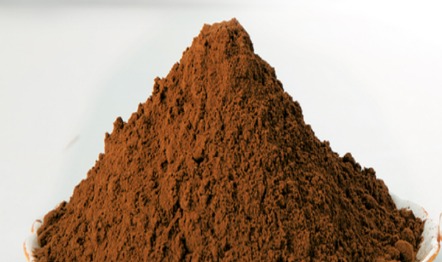
Quebracho Extract
Found this useful?