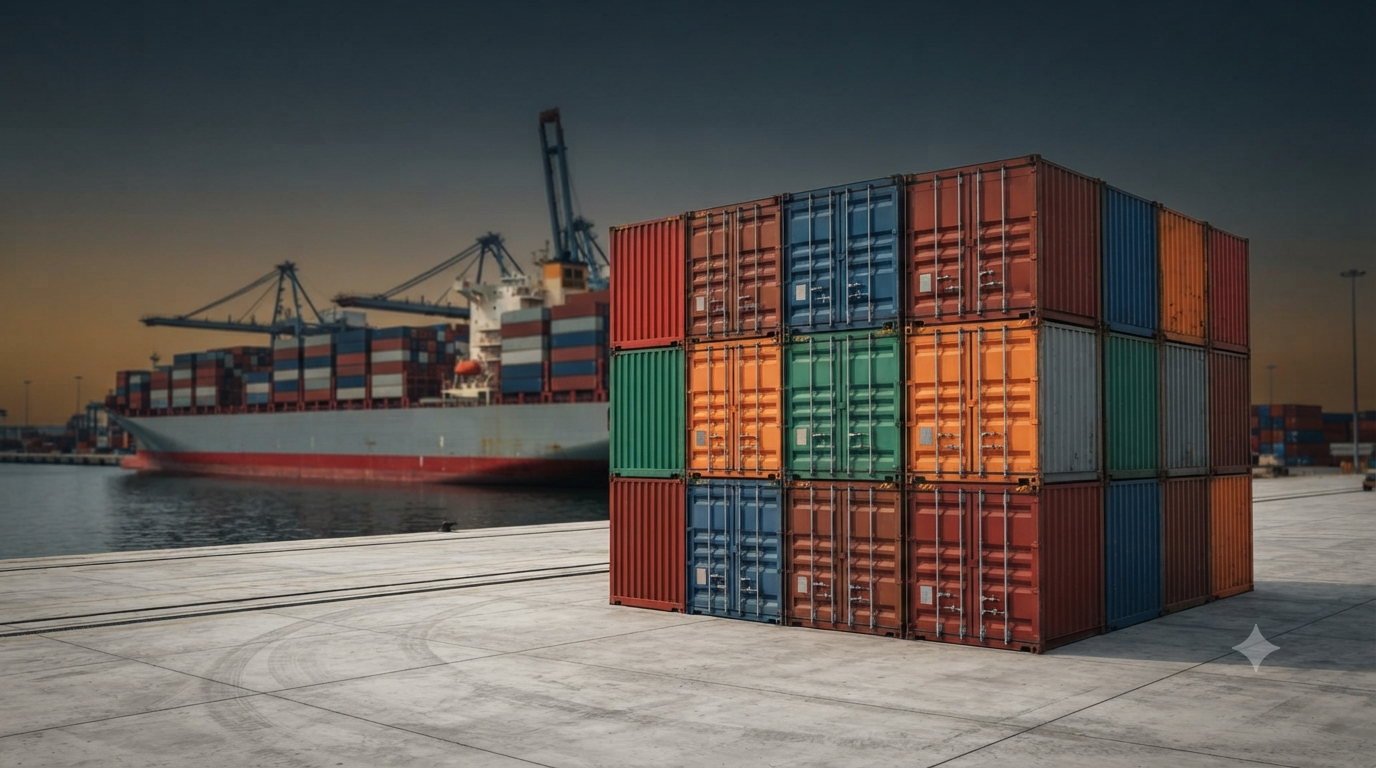
Peak Season Buying Arrives Early as Shippers Brace for Continued Rate Volatility
Early peak season buying is reshaping the global container shipping market well before the traditional shipping rush begins. As shippers move cargo ahead of anticipated disruptions and continued freight rate volatility, ex-China shipping costs have climbed across major international trade lanes. For chemical importers and exporters, transportation planning has become just as important as securing competitive product prices.
Procurement managers now face a market where freight availability, vessel capacity and delivery schedules can change rapidly. Businesses that prepare early are better positioned to manage logistics costs while maintaining uninterrupted supplies of essential chemical products.
Why Peak Season Buying Started Earlier
Peak season traditionally reflects a period of higher shipping demand driven by manufacturing cycles and inventory replenishment. This year, many exporters and importers accelerated purchasing decisions to reduce exposure to expected freight volatility.
Several factors explain this earlier buying activity:
Businesses want to secure vessel space before demand increases further.
Importers aim to avoid potential shipping delays during busier months.
Companies are building inventories to improve supply chain resilience.
Continued uncertainty across global logistics networks encourages proactive planning.
This shift has increased demand for container capacity earlier than usual, placing upward pressure on freight rates.
Ex-China Freight Rates Continue to Strengthen
China remains the world's largest export hub for many industrial chemicals and raw materials. As more cargo enters the market ahead of peak season, shipping capacity becomes increasingly competitive.
Higher freight rates are supported by:
Stronger booking activity across major export ports.
Limited available vessel capacity during high-demand periods.
Longer transit schedules on several international trade routes.
Increased competition for containers and shipping space.
For chemical buyers, freight costs have become a larger component of total procurement expenses.
Why Freight Volatility Matters to Chemical Procurement
Transportation expenses directly affect the landed cost of chemical imports. Even when product prices remain stable, rising freight charges can significantly influence purchasing budgets.
Procurement teams should consider:
Total landed costs rather than product prices alone.
Delivery reliability when selecting suppliers.
Inventory planning to reduce emergency shipments.
Flexible purchasing schedules that respond to freight market conditions.
A comprehensive procurement strategy helps businesses remain competitive despite changing logistics costs.
Supply Chain Planning Is Now a Competitive Advantage
Organizations that actively monitor freight markets can make faster sourcing decisions than competitors who react only after transportation costs increase.
Effective planning often includes:
Booking shipments well in advance of required delivery dates.
Diversifying suppliers across multiple regions.
Working closely with logistics partners to secure shipping capacity.
Reviewing inventory levels regularly to avoid supply shortages.
These practices improve operational stability during periods of elevated freight demand.
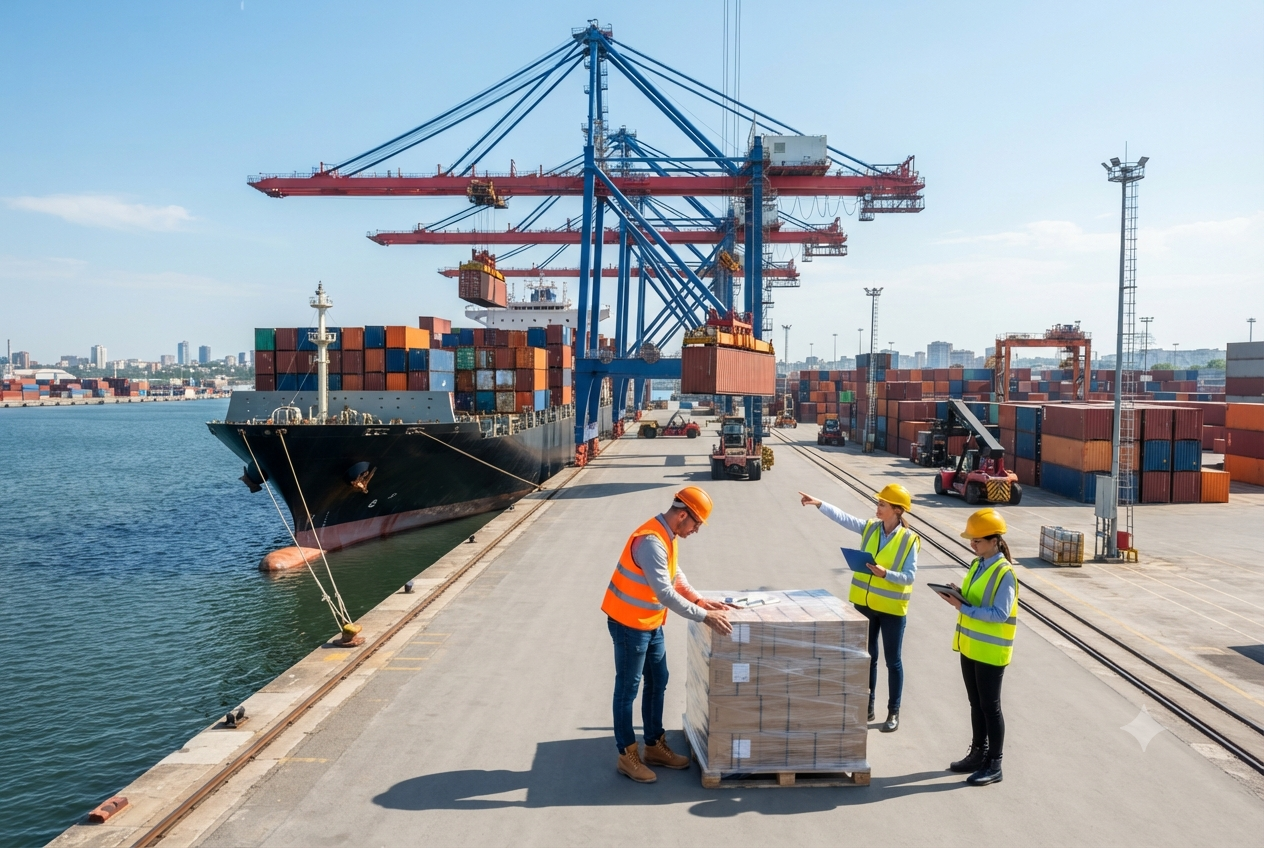
How Chemical Traders Can Respond
Freight market volatility creates both risks and opportunities for international traders. Companies that monitor shipping conditions alongside chemical pricing often gain greater flexibility when negotiating supply agreements.
Important actions include:
Comparing supplier offers from different export regions.
Monitoring freight rate trends before placing large orders.
Negotiating delivery schedules that reduce logistics risk.
Maintaining communication with freight forwarders and shipping providers.
These measures help traders adapt quickly as market conditions evolve.
Market Outlook for the Months Ahead
Current buying activity suggests that freight demand may remain firm if businesses continue securing cargo space ahead of future uncertainty. Shipping markets can change quickly as capacity, trade flows and global demand evolve, making continuous monitoring essential for procurement teams.
Although freight rates may fluctuate throughout the remainder of the year, companies with flexible sourcing strategies and strong logistics planning will be better prepared to manage transportation costs while maintaining reliable product supply.
What Buyers Should Do Now
The arrival of early peak season buying highlights the growing importance of freight management within chemical procurement. Rising ex-China shipping rates reinforce the need for businesses to evaluate transportation costs alongside supplier pricing and inventory strategies.
Organizations that plan purchases early, diversify supply sources and monitor freight developments consistently will strengthen supply chain resilience and improve long-term procurement performance. Ready to source chemical products from verified global suppliers? Explore competitive offers on our platform today.

Caustic Soda Pearls - China
Found this useful?