Pectin Sourcing Shifts as Citrus Peel Supply Faces Climate Pressure
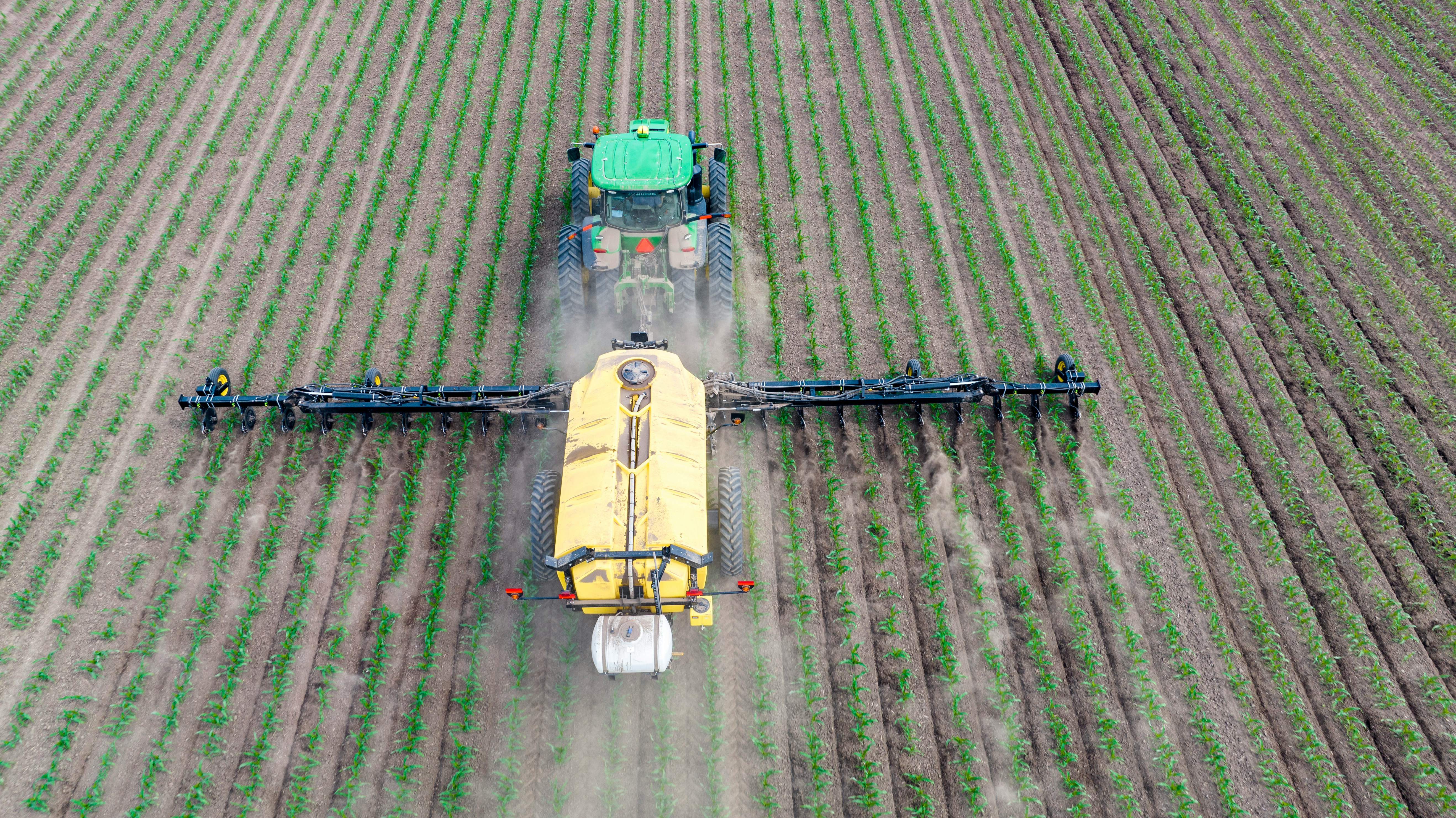
Extreme weather events, prolonged droughts and widespread citrus greening disease in key agricultural corridors have severely curtailed commercial citrus peel harvests. Commercial pectin production relies directly on wet and dried citrus peels as primary raw materials, leaving hydrocolloid buyers vulnerable to upstream agricultural shocks.
Procurement managers across food, beverage and pharmaceutical manufacturing sectors are encountering escalating prices, extended shipping lead times and strict volume allocations. As climate volatility intensifies across major citrus belts, sourcing teams must overhaul their purchasing playbooks to safeguard production continuity, functional product performance and operating margins.
Traders and formulators are actively exploring alternative agricultural feedstocks such as apple pomace and sugar beet pulp. Many processing facilities are also qualifying hydrocolloid blends to reduce dependence on premium citrus-derived texturizers.
The Raw Material Crisis in Citrus Peel Supply
Citrus greening disease, also known as Huanglongbing, has decimated commercial orange and lemon groves across Brazil, Florida and the Mediterranean basin. Brazil alone supplies over sixty percent of the global commercial citrus peel used for pectin extraction, concentrating raw material risk within a single vulnerable geographic zone.
When industrial juice processors reduce fruit crush volumes due to poor crop yields, the supply of fresh citrus peel contracts immediately. Pectin manufacturers must compete aggressively to secure wet peel volumes, driving raw material acquisition costs to multi-year highs.
Peel drying facilities in South America and Europe have simultaneously faced elevated thermal energy costs. This dynamic inflates the landed cost of dried peel shipments before extraction and refining operations even begin.
High shipping container rates and port delays further compound landed feedstock expenses for refiners located away from citrus-growing centers. These accumulated cost pressures at the raw material stage leave chemical refiners with no choice but to adjust finished ingredient price schedules upward.
How Pectin Extraction Economics Are Shifting
Industrial pectin manufacturing requires extensive hot acid extraction, followed by filtration, alcohol precipitation, purification and standardized blending with food-grade sugars. High-methoxyl (HM) pectin requires high-quality peel to maintain consistent degree of esterification, while low-methoxyl (LM) and amidated grades undergo additional chemical de-esterification steps.
The severe scarcity of prime lemon and lime peels, which yield superior gelling strength and lighter solution colors, has forced refiners to process larger volumes of lower-yield orange peel. Processing orange peel increases operational complexity because plants must run additional extraction cycles and consume more processing aids to meet target purity specifications.
These higher processing burdens increase water, chemical and electricity usage per ton of finished product. Chemical manufacturers have consequently adjusted their operational formulas, passing costs down the value chain through higher baseline contracts and energy surcharges.
Spot market prices for food-grade HM citrus pectin have surged significantly over the past eighteen months. Procurement managers who historically relied on short-term spot purchases are struggling to secure firm price commitments without agreeing to quarterly indexed adjustments.
Alternative Feedstocks and Feedstock Diversification
Apple pomace remains the primary commercial alternative to citrus peel for high-methoxyl pectin extraction. While apple-derived pectin produces a slightly darker hue and distinctive setting profile, food processors utilize it successfully in dark fruit jams, bakery fillings and confectionery jellies where optical clarity is not a mandatory specification.
Sugar beet pulp provides another abundant raw material stream rich in pectin molecules. However, sugar beet pectin features high acetyl and ferulic acid content, which inhibits traditional rigid gel formation and makes it better suited as an emulsion stabilizer in beverage systems.
Key operational trade-offs among commercial pectin feedstocks:
Citrus peel delivers exceptional gel clarity, rapid setting speeds and neutral flavor profiles essential for confectionery gummies, fruit spreads and acidified dairy beverages.
Apple pomace offers stable seasonal crop availability across Western Europe and China, though it produces a slightly amber solution tint and softer gel elasticity.
Sugar beet pulp provides outstanding oil-in-water emulsifying capabilities for flavor emulsions and salad dressings, but cannot form the firm gel networks required in standard confectionery applications.
Leading hydrocolloid refiners are investing in advanced enzymatic purification processes to improve the color and performance of non-citrus pectins. These technological upgrades aim to narrow the functional gap between citrus and alternative botanical sources.
Hydrocolloid Blending and Functional Substitution
Formulators facing pectin supply constraints are re-engineering food systems with synergistic hydrocolloid combinations. Partial substitution strategies allow manufacturing plants to stretch constrained pectin inventories without compromising target viscosity, suspension or mouthfeel.
Locust bean gum and guar gum can be blended with reduced concentrations of pectin in fruit preparations to maintain thickness and prevent syneresis. These galactomannans deliver cost-effective body, although formulators must adjust flavor concentrations to compensate for minor masking effects.
Carrageenan and sodium alginate provide effective structural support in low-sugar fruit spreads and dessert gels where LM pectin is conventionally applied. Alginate creates calcium-induced gel networks that mimic pectin textures, giving procurement teams practical leverage during supplier negotiations.
Modified food starches and xanthan gum serve as functional stabilizers in industrial pie fillings and savory sauces. Deploying these commodity hydrocolloids in industrial food formulations frees up premium citrus pectin volumes for high-margin retail consumer lines.

Regional Processing Capacity and Trade Flows
Global pectin extraction capacity remains concentrated in Europe, with premier refining facilities operating in Denmark, Germany, France and the Czech Republic. These European facilities depend heavily on imported dry citrus peel from South America, creating significant exposure to transatlantic freight disruptions.
China has expanded its domestic pectin production infrastructure, converting regional citrus waste and imported agricultural residues into standard food-grade powders. Chinese manufacturers offer competitive pricing for high-methoxyl grades, expanding their market share across Asian, African and Middle Eastern manufacturing hubs.
South American processing facilities located directly adjacent to Brazilian citrus groves are expanding localized extraction capacity to capture integrated value. While localized processing reduces international shipping of bulky raw peel, high capital equipment costs and specialized labor requirements have constrained rapid capacity additions.
North American food processors rely heavily on imported finished pectin powders, leaving domestic supply chains vulnerable to tariff shifts and currency fluctuations. Buyers in the United States and Canada must maintain diversified vendor rosters across multiple refining regions to mitigate import clearance bottlenecks.
Technical and Regulatory Hurdles in Pectin Replacement
Clean-label consumer preferences make pectin exceptionally difficult to replace with synthetic stabilizers or chemically modified starches. Consumers easily recognize pectin as a wholesome, fruit-derived kitchen ingredient, creating severe commercial resistance against label substitutions with carboxymethylcellulose or modified food starches.
Standard of identity regulations in the United States and the European Union mandate minimum pectin levels in standardized jams, fruit preserves and jellies. Food companies cannot substitute alternative texturizers in these protected product categories without forfeiting traditional product designations on retail packaging.
Organic and non-GMO certification frameworks impose strict boundaries on hydrocolloid substitution programs. Standard non-amidated citrus and apple pectins easily achieve organic compliance, whereas many chemically modified hydrocolloid substitutes face strict regulatory bans under organic manufacturing guidelines.
Pharmaceutical and nutraceutical applications impose rigid pharmacopeia monograph standards that prevent rapid ingredient changes. Modifying the gelling matrix of medical gummy supplements or pharmaceutical suspensions requires lengthy stability testing, validation protocols and regulatory dossier updates.
Sourcing Strategies for Hydrocolloid Procurement Teams
Procurement departments must transition away from opportunistic spot buying and establish structured supply partnerships with primary pectin refiners. Multi-year volume commitments provide extractors with the commercial security required to contract dried citrus peel forward before seasonal harvest periods begin.
Qualifying multi-origin supply chains protects continuous manufacturing operations against local crop failures. Maintaining active vendor relationships with both European high-purity refiners and Asian commodity producers ensures operational resilience when agricultural distress hits a specific growing territory.
Actionable procurement strategies for hydrocolloid buyers:
Deliver rolling eighteen-month volume forecasts to primary suppliers to secure early manufacturing capacity allocations ahead of regional fruit crushing seasons.
Standardize recipe specifications on versatile, medium-reactivity pectin grades that can run across multiple production lines rather than purchasing unique niche formulations.
Establish internal technical taskforces between procurement and R&D to pre-approve functional hydrocolloid blends before spot shortages trigger manufacturing emergencies.
Buyers should also demand transparent raw material indexing clauses in long-term supply contracts. Understanding the exact cost ratios between raw citrus peel, processing energy and logistics helps procurement teams negotiate fair price adjustments during market corrections.
Market Outlook for 2027 and Beyond
Climate volatility will continue to challenge agricultural byproduct supply chains for the foreseeable future. Citrus replanting initiatives in South America and the development of disease-resistant citrus cultivars require several years before restoring historical harvest yields.
Biotechnology startups are actively developing precision-fermentation and cellular agriculture methods to synthesize bio-identical pectin without agricultural peel inputs. While early laboratory batches show promising gel strength and purity, commercial scale-up and economic price parity remain several years away from mainstream industrial reality.
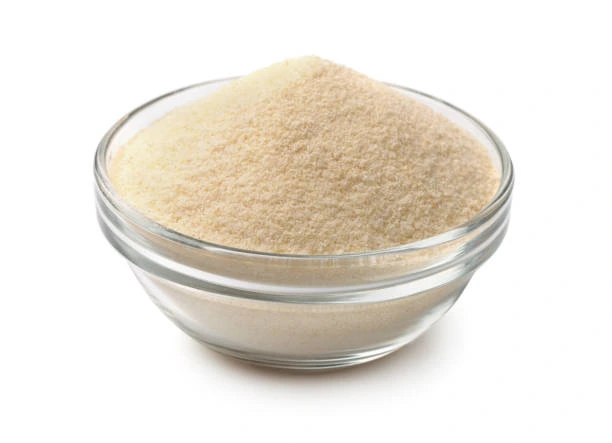
In the medium term, hydrocolloid buyers must manage price volatility by holding strategic inventory buffers of dry pectin powder. Pectin powder exhibits robust chemical stability and maintains functional gelling performance for over twenty-four months when stored in climate-controlled warehouse facilities.
Consolidation among regional hydrocolloid refiners is expected to continue as smaller operators struggle with raw material procurement costs. Procurement teams must monitor the financial stability of their intermediate processing partners to avoid sudden supply counterparty defaults.
The Bottom Line for Procurement Teams
Managing through the global citrus peel shortage requires procurement leaders to combine supply chain intelligence with functional formulation flexibility. The era of cheap, surplus citrus pectin in spot trading markets has ended as environmental realities constrain agricultural production.
Procurement managers who collaborate with internal product developers, qualify alternative botanical feedstocks and formalize structured contracts with verified refiners will secure critical material allocations while protecting operational margins. Strategic foresight and technical agility remain the defining capabilities for hydrocolloid buyers navigating today's transformed market landscape.
Ready to source Pectin from verified global suppliers? Explore competitive offers on our platform today.
Pectin (E440)
Found this useful?