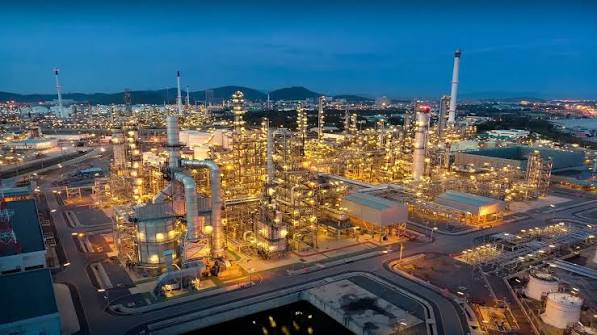
Petrochemical Demand Growth Expected to Hold at 2% Annually Through 2050
Global petrochemical demand is expected to grow 2% annually through 2050, according to industry analysts who view the sector’s long-term outlook as robust despite intensifying energy transition pressures and circular economy mandates. This projected expansion translates into roughly doubling current consumption volumes over the next quarter century, driven primarily by emerging market development and material substitution trends in transportation and construction sectors. For chemical traders and procurement managers sourcing polyethylene or engineering thermoplastics, this sustained growth trajectory validates continued capital investment in production capacity even as decarbonization imperatives reshape feedstock and technology choices. The forecast assumes gradual rather than disruptive adoption of alternative materials, reflecting practical constraints on scaling bio-based or recycled alternatives to meet total demand growth. Buyers should interpret this baseline projection as foundation for scenario planning rather than deterministic certainty requiring linear extrapolation. Market participants now differentiate between commodity segments facing maturity risks and specialty niches benefiting from structural tailwinds within the aggregate growth figure.
Structural Drivers Sustaining Long-Term Demand Expansion
Population growth and rising middle-class consumption in Asia, Africa and Latin America account for majority of projected demand increases through mid-century. Urbanization drives infrastructure investment requiring massive volumes of PVC piping, insulation foams and wire cable sheathing that remain difficult to substitute economically at scale. Consumer goods manufacturing expansion creates parallel demand for packaging films, appliance components and textile fibers tied directly to disposable income growth trajectories.
Material substitution continues favoring petrochemical-derived products over traditional alternatives in multiple applications despite sustainability headwinds. Automotive lightweighting requirements increase plastic intensity per vehicle as manufacturers replace metal components to improve fuel efficiency and electric vehicle range. Construction sector adoption of synthetic insulation and waterproofing membranes accelerates as building codes tighten energy performance standards globally.
Feedstock flexibility enables petrochemical producers to adapt input slates as crude oil demand peaks while maintaining output growth. Ethane cracking expands using associated gas from shale formations, while naphtha crackers integrate renewable or recycled feedstocks gradually without sacrificing throughput. This molecular versatility preserves industry relevance even as primary energy systems decarbonize over coming decades.
Regional Growth Divergence and Supply Implications
Asia-Pacific accounts for approximately sixty percent of incremental demand growth through 2050, concentrating new capacity investments in China, India and Southeast Asia. Domestic production expansion in these regions reduces import dependency over time while creating export competition for Western suppliers during oversupply cycles. Buyers evaluating long-term contracts must weigh regional self-sufficiency trends against current comparative advantage calculations.
Middle East producers leverage low-cost feedstock advantages to maintain export competitiveness despite geographic distance from major demand centers. Integrated gas-to-chemicals projects convert stranded reserves into higher-value derivatives less exposed to crude price volatility than traditional refining. Gulf suppliers position themselves as swing producers balancing global markets during regional disruption events elsewhere.
Mature Western markets experience near-zero volume growth but retain importance as innovation hubs and specialty product manufacturers. Capacity rationalization focuses on commodity segments unable to compete with advantaged regions, while investment concentrates on high-margin differentiated materials serving local regulatory or performance requirements. Procurement organizations in developed economies face narrowing supplier bases for standardized grades alongside expanding options for premium sustainable alternatives.
Technology Transition Pathways Within Growth Framework
Mechanical and chemical recycling technologies scale gradually to address plastic waste concerns without displacing virgin production entirely within forecast horizon. Recycled content mandates create parallel demand streams for secondary feedstocks that complement rather than cannibalize primary petrochemical volumes in near term. Integration of recycled molecules into existing cracker and polymerization infrastructure enables circularity without greenfield capital intensity.
Bio-based feedstocks gain share selectively in applications where carbon footprint premiums align with customer willingness to pay or regulatory compliance requirements. Drop-in bio-naphtha and bio-ethanol enable certified renewable content claims using existing conversion assets, avoiding dedicated biorefinery economics challenges. Scale limitations constrain bio-feedstocks to single-digit percentage shares of total petrochemical demand even under aggressive policy scenarios.
Hydrogen and electrification initiatives transform energy inputs for petrochemical processes while preserving molecular output profiles. Green hydrogen replaces grey hydrogen in ammonia and methanol synthesis, reducing scope one emissions without altering downstream derivative demand. Electric steam cracking demonstrations aim to eliminate combustion-related CO2 from olefin production, potentially extending fossil feedstock viability under stringent carbon pricing regimes.

Segment-Specific Growth Variations Within Aggregate Forecast
Commodity polyolefins including polyethylene and polypropylene grow below aggregate average due to maturity in packaging applications and recycling displacement effects. Packaging represents largest end-use segment but faces regulatory pressure and consumer preference shifts toward reduction and reuse models. Growth concentrates in industrial and infrastructure applications less susceptible to substitution or circular economy interventions.
Engineering thermoplastics and specialty polymers outperform aggregate growth rates driven by automotive electrification, renewable energy deployment and advanced manufacturing trends. Polycarbonate demand benefits from solar panel glazing, EV battery housings and lightweight structural components replacing glass and metal. Polyurethane systems expand through wind turbine blade composites, cold chain insulation and comfort foam applications tied to quality-of-life improvements.
Intermediate chemicals including solvents, plasticizers and additives track derivative demand while facing formulation changes driven by toxicity regulations and performance requirements. Phthalate replacements accelerate in flexible PVC applications as health concerns drive reformulation across consumer and medical segments. Specialty monomers for high-performance polymers benefit from aerospace and electronics miniaturization trends demanding extreme thermal and mechanical properties.
Capital Allocation Discipline Amid Sustained Growth Expectations
Long-term demand visibility supports disciplined capital deployment matching capacity additions to consumption growth rather than speculative overshooting. Industry learning from previous supercycle busts encourages phased investment approaches tied to confirmed offtake agreements and feedstock security. Buyers benefit from reduced boom-bust amplitude through more stable supply availability and pricing environments.
Technology selection criteria increasingly incorporate carbon intensity alongside traditional cost competitiveness metrics. Projects lacking credible decarbonization pathways face financing constraints and permitting delays regardless of marginal production economics. This filter redirects capital toward integrated sites with access to renewable power, carbon capture infrastructure or circular feedstock integration capabilities.
Portfolio optimization prioritizes segments aligned with structural growth drivers while exiting chronically oversupplied commodities. Divestment proceeds fund reinvestment in specialty platforms offering superior margin resilience and customer stickiness. Procurement organizations should monitor M&A activity as leading indicator of strategic priority shifts within supplier base beyond public announcements.
Adjusting Sourcing Strategies Around Long-Term Growth Baselines
Differentiate commodity versus specialty exposure within spend portfolios to align contracting horizons with respective growth and margin trajectories.
Evaluate supplier decarbonization roadmaps as proxy for long-term viability under tightening carbon regulation and investor scrutiny.
Assess regional supply-demand balance forecasts to anticipate trade flow shifts and origin diversification opportunities ahead of market inflection points.
Engage technology providers early on circular and bio-based feedstock integration capabilities to secure preferential access to emerging sustainable grades.
Monitor capital allocation announcements across supplier base as leading indicators of segment prioritization and potential rationalization risks.
The 2% annual petrochemical demand growth projection through 2050 provides stable foundation for strategic sourcing decisions despite near-term cyclicality and energy transition uncertainties. Industrial procurement professionals who distinguish structural tailwinds from cyclical noise will build supplier partnerships aligned with durable market fundamentals rather than transient sentiment shifts. Ready to source polyethylene from verified global suppliers? Explore competitive offers on our platform today.
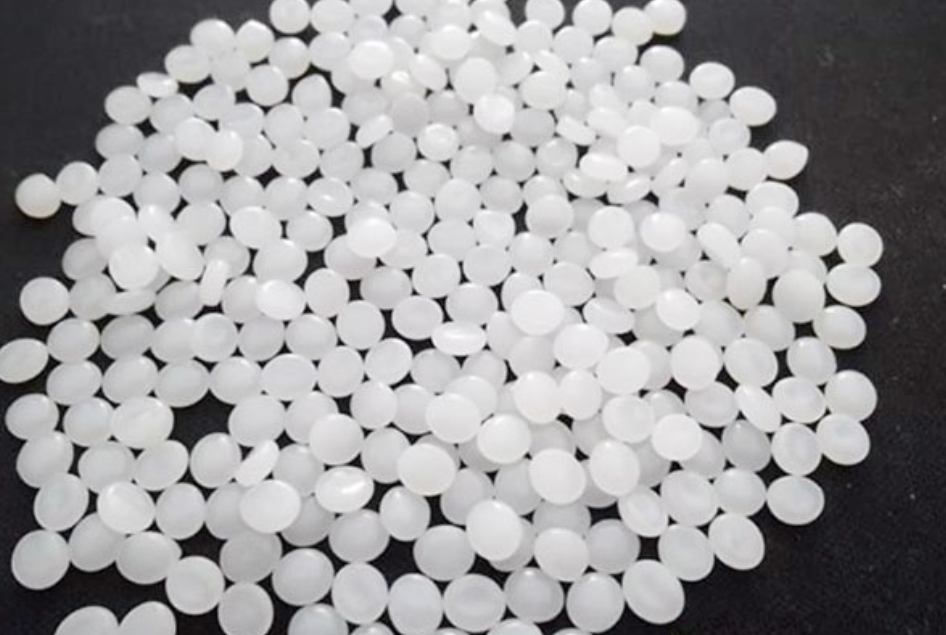
High Density Polyethylene (HDPE)
Found this useful?