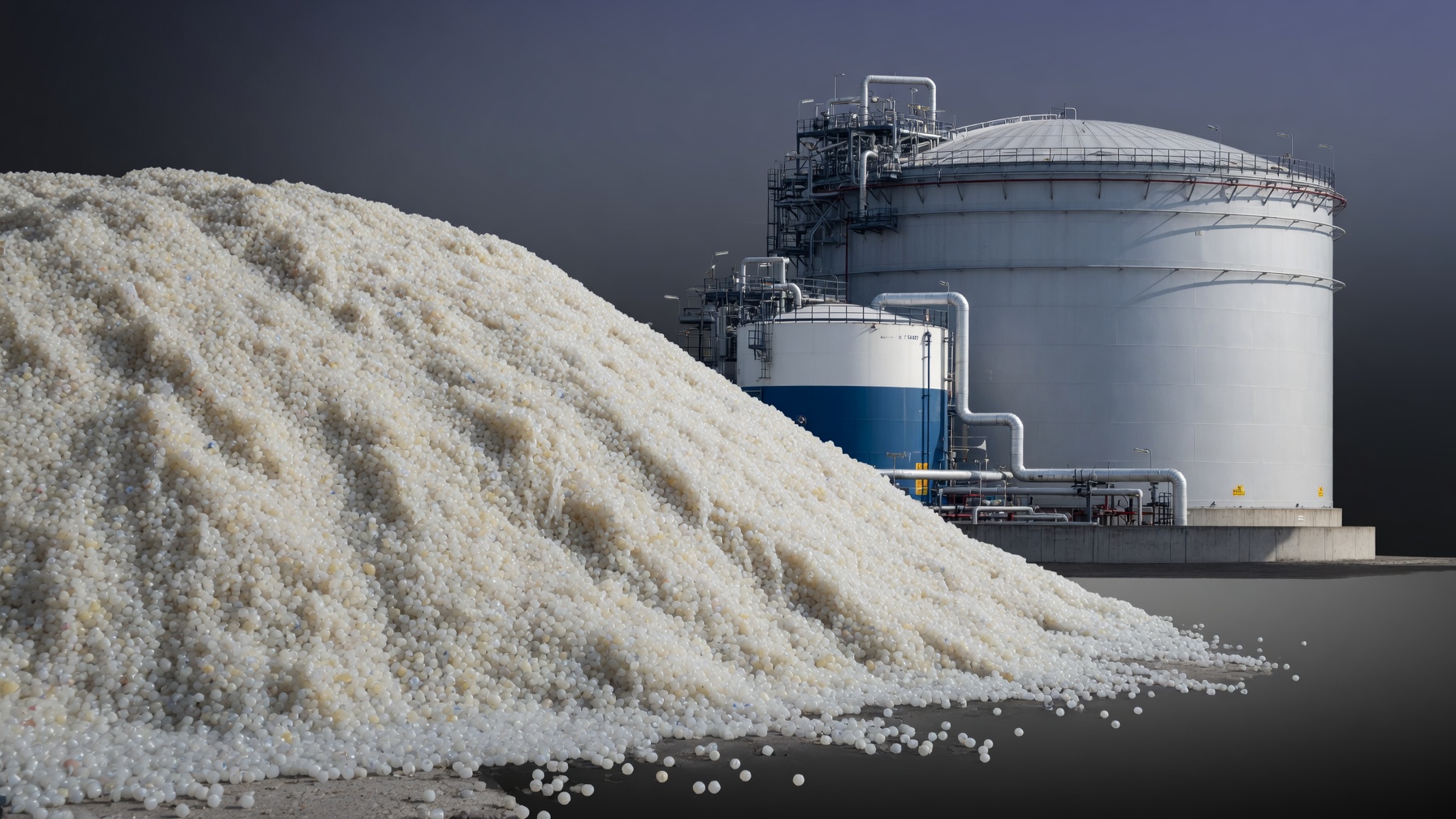
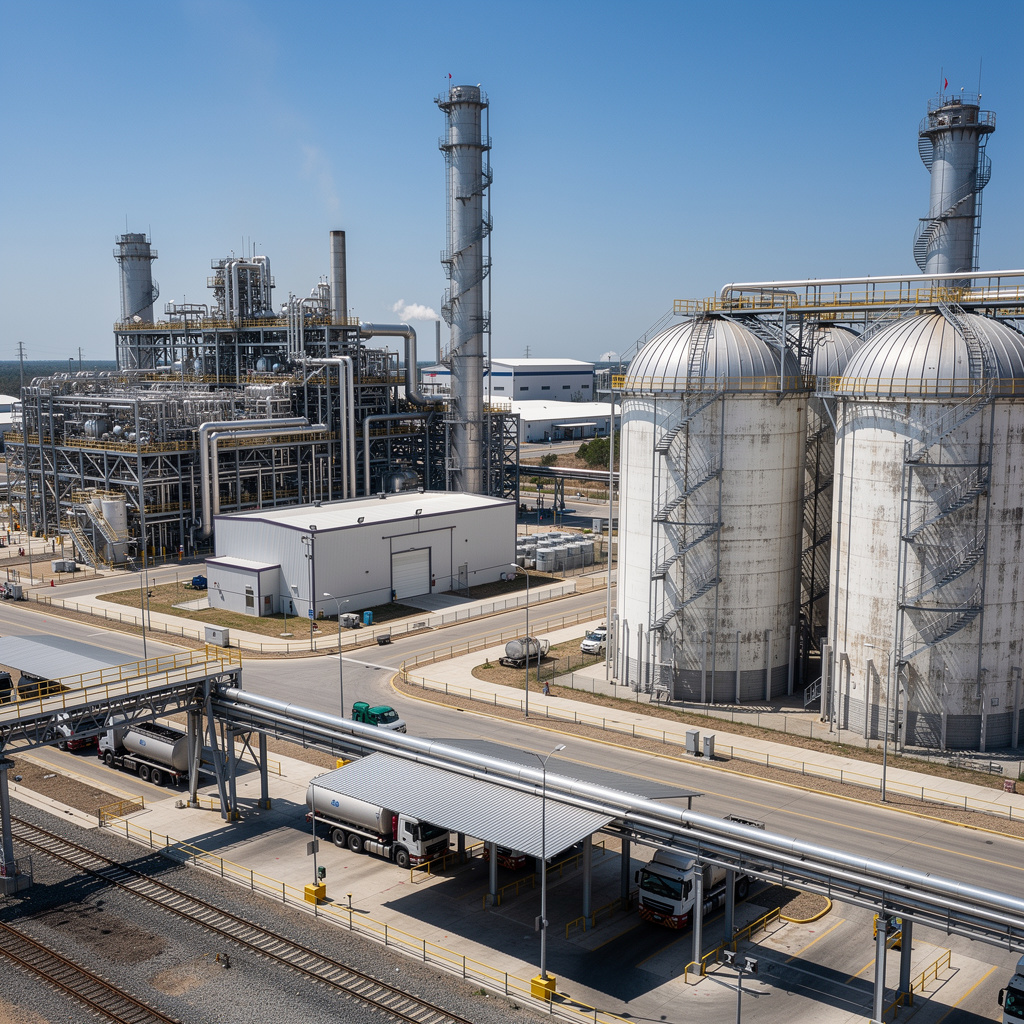
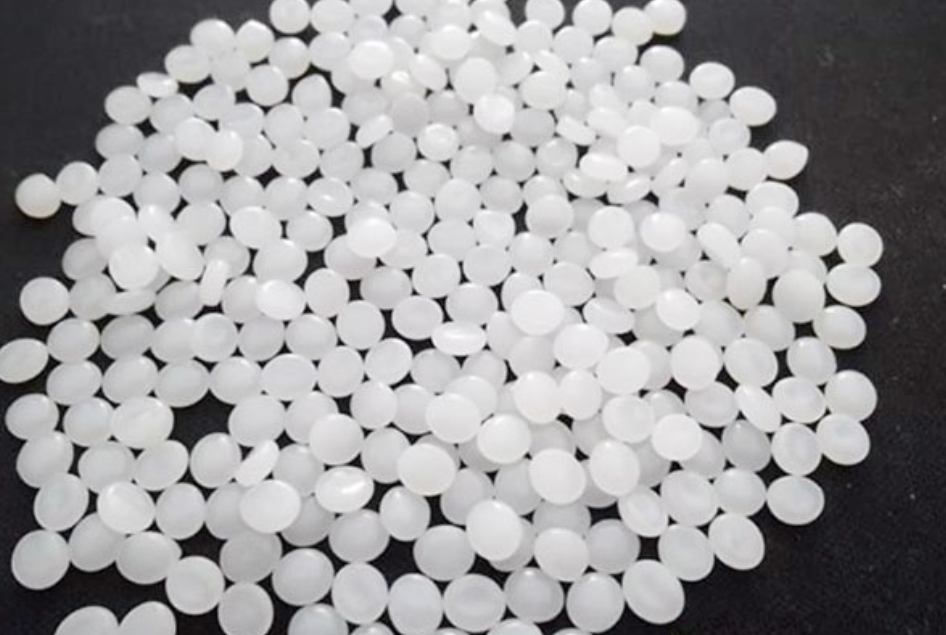
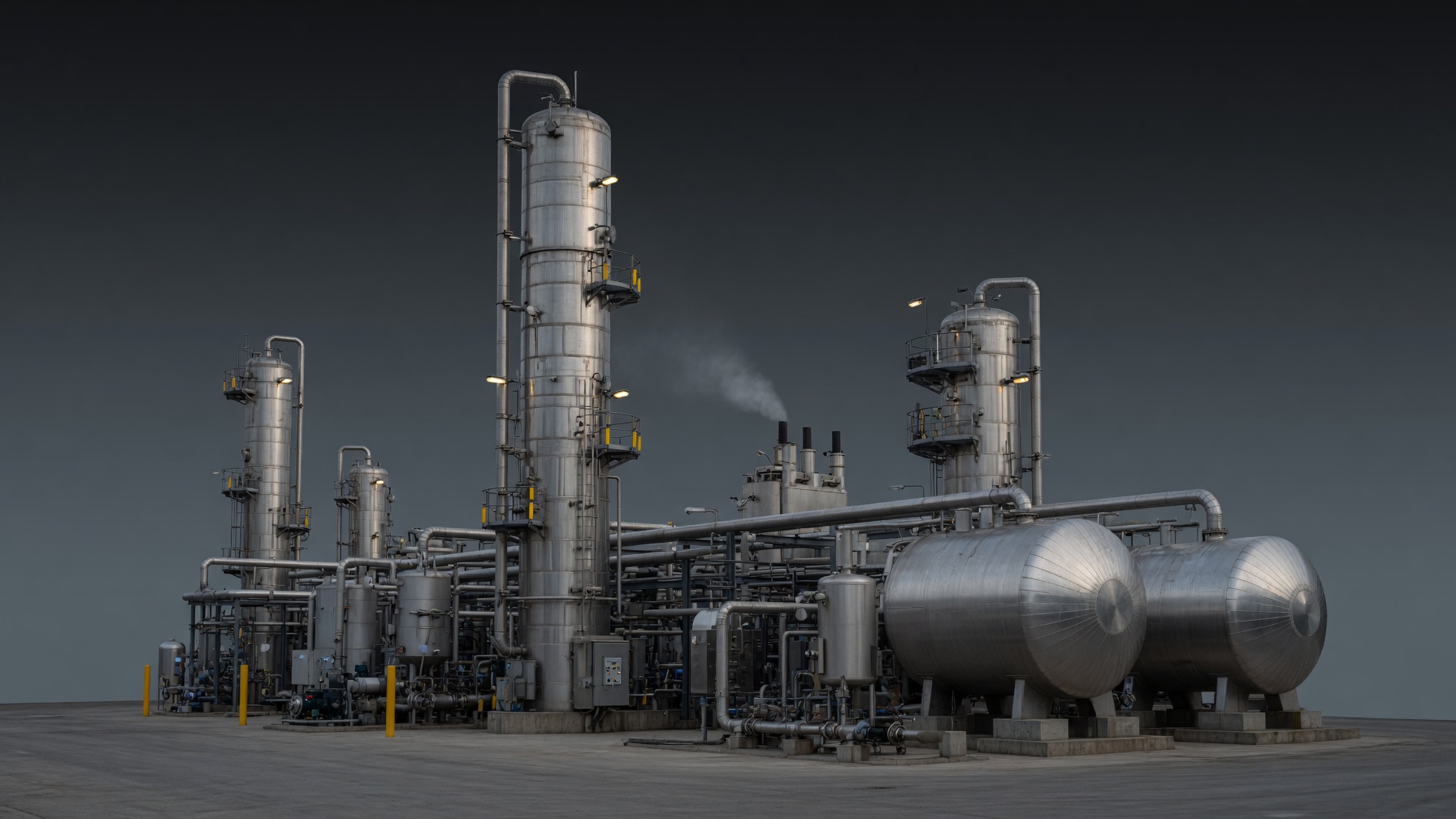
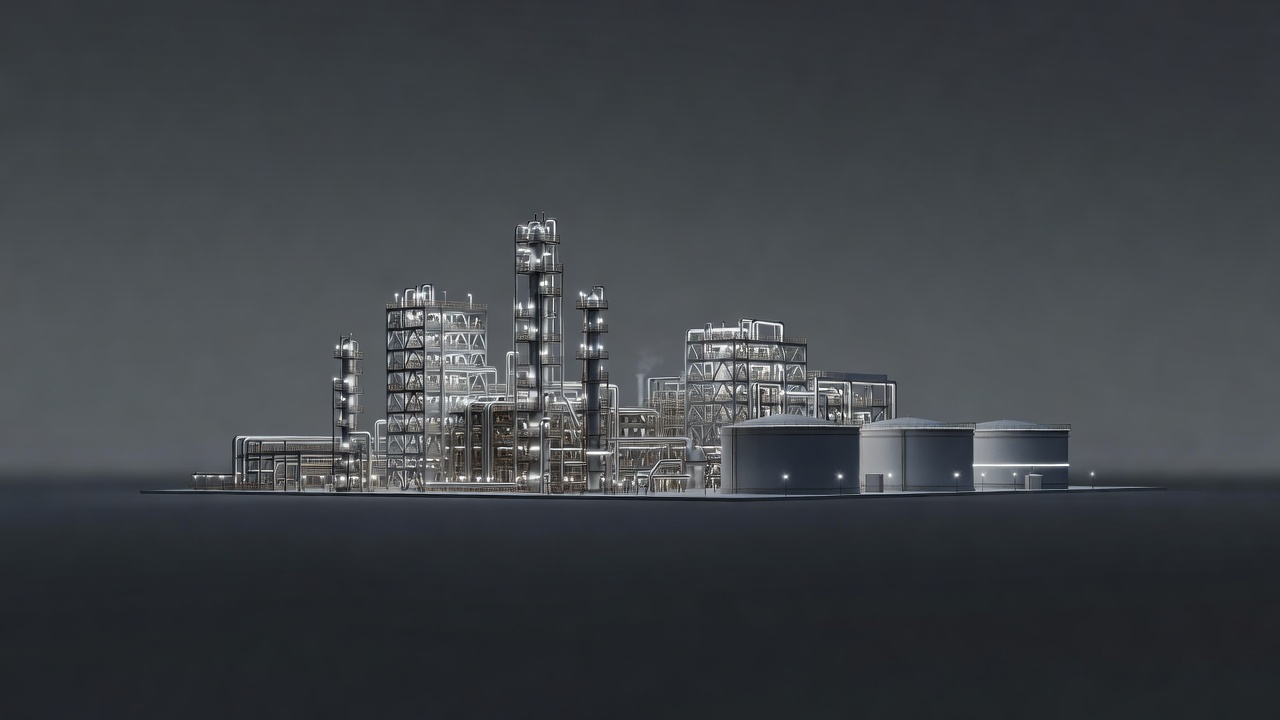
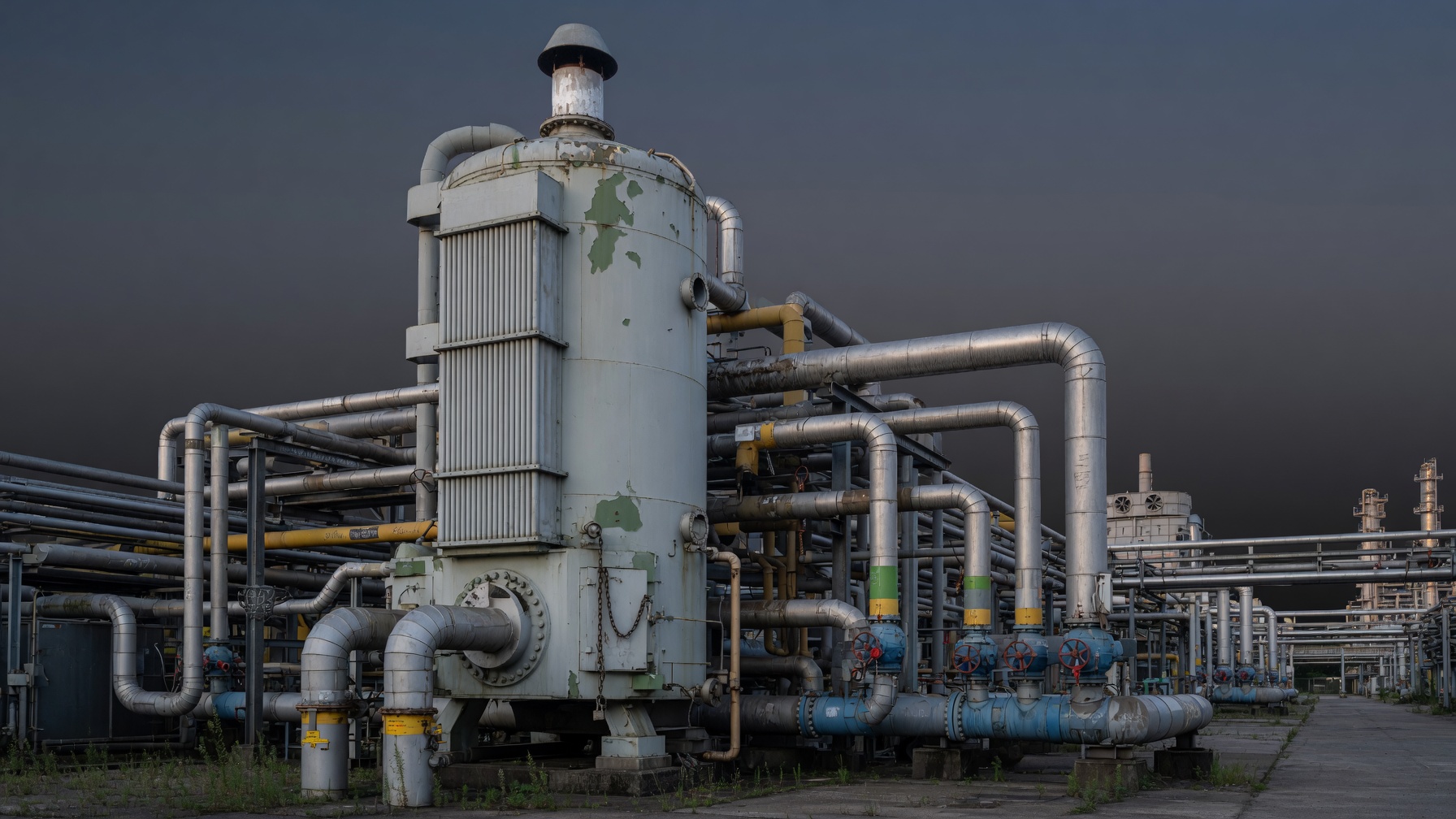
Petrochemical overcapacity will likely remain one of the defining market conditions of 2026. Deloitte's chemical industry outlook expects excess capacity in polyethylene, polypropylene, other olefins and aromatics to persist through the year, keeping pressure on producer margins even as buyers gain access to abundant supply.
For procurement teams, oversupply can appear favourable because it strengthens negotiating power and limits sudden price increases. However, prolonged overcapacity also encourages operating rate cuts, asset restructuring and plant shutdowns. Buyers must therefore balance short-term price opportunities against the risk that today's surplus could weaken tomorrow's supplier base.
Why Petrochemical Overcapacity Persists
The current supply imbalance reflects years of investment in new petrochemical capacity, particularly in regions seeking greater manufacturing self-sufficiency and stronger export positions.
Large integrated complexes can continue producing at high rates because they benefit from scale, feedstock integration and lower unit costs. When domestic consumption cannot absorb the resulting volumes, producers direct surplus material into export markets.
At the same time, demand growth has not kept pace with the expansion of polyethylene, polypropylene and aromatic production. This mismatch keeps global markets oversupplied even when individual regions experience temporary maintenance outages or logistics disruptions.
Polyethylene Markets Face Continued Supply Pressure
Polyethylene remains one of the world's highest-volume polymer families, serving applications across packaging, construction, agriculture and consumer products.
New capacity can increase the availability of:
High density polyethylene for pipes, rigid packaging and industrial containers.
Low density polyethylene for films, coatings and flexible packaging.
Linear-low density polyethylene for stretch film and agricultural applications.
Abundant supply gives converters more sourcing options, but it can also produce frequent regional price competition. Suppliers may offer aggressive discounts to maintain sales volumes and operating rates.
Buyers should examine whether low quotations reflect sustainable production economics or a temporary effort to reduce inventory.
Polypropylene Producers Face Similar Economics
Polypropylene overcapacity creates comparable pressure across packaging, automotive, textile and household goods markets.
Producers operating newer and more efficient plants may continue running at elevated rates despite weak margins. Older or smaller facilities often struggle to compete because they carry higher energy, maintenance and feedstock costs.
This creates an uneven market where competitive export cargoes coexist with shutdown discussions at less efficient sites. Procurement teams should assess the financial and operational strength of each supplier rather than treating all available tonnes as equally secure.
Olefins and Aromatics Extend the Impact Upstream
The overcapacity problem reaches beyond finished polymer resins. Olefins and aromatics provide the basic chemical building blocks for numerous downstream products.
Key materials affected include:
Ethylene and propylene for polymer and derivative production.
Benzene for styrene, phenol and other intermediates.
Toluene and xylene for solvents, coatings and chemical synthesis.
Paraxylene for purified terephthalic acid and polyester production.
When these upstream markets remain oversupplied, pricing pressure can spread across broad sections of the chemical value chain. Downstream manufacturers may gain lower input costs, but producers can face declining returns on major capital investments.
Low Prices Can Hide Supply Chain Risks
Persistent overcapacity often creates attractive spot purchasing opportunities. Yet a low price does not automatically indicate a low-risk transaction.
Buyers should consider whether suppliers may respond to poor margins by:
Lowering plant operating rates.
Delaying maintenance or capital upgrades.
Reducing production of less profitable grades.
Consolidating output at fewer sites.
Closing older manufacturing units.
Such decisions can reduce product choice and local availability even while global nameplate capacity remains high.
Trade Flows Will Become More Competitive
Excess production must eventually find a market. Producers in oversupplied regions may increase exports, creating stronger competition in markets that previously relied on domestic supply.
This can influence:
Regional polymer pricing.
Marine freight demand.
Import dependency.
Trade defence investigations.
Distributor inventory strategies.
Importers may secure favourable prices, but changing tariffs, anti-dumping duties or freight costs can quickly alter total landed economics. Buyers should compare domestic and imported material using a complete cost calculation rather than headline quotations alone.
Procurement Teams Need Better Supplier Segmentation
In an oversupplied market, procurement teams can negotiate more confidently, but they should avoid selecting suppliers only on price.
A stronger supplier assessment should examine:
Feedstock integration and production efficiency.
Plant operating rates.
Financial stability.
Export reliability.
Commitment to specific polymer grades.
Regional logistics capability.
Suppliers with integrated production and healthy operating economics may provide greater continuity than sellers offering deeply discounted material from vulnerable facilities.
Capacity Rationalization Could Reshape the Market
Overcapacity rarely disappears through demand growth alone. Producers may need to close, convert or consolidate less competitive assets before the market returns to a healthier balance.
Capacity rationalization can eventually support firmer margins and more stable operating rates. During the adjustment period, however, buyers may experience contract changes, supplier exits and reduced availability of niche grades.
Procurement teams should monitor plant closure announcements, ownership changes and extended maintenance programmes as closely as market prices.
What Polymer Buyers Should Do Now
Deloitte's warning suggests that overcapacity in polyethylene, polypropylene, olefins and aromatics will continue shaping petrochemical markets throughout 2026. Buyers can use the current environment to negotiate competitive contracts, diversify qualified suppliers and improve purchasing flexibility.
The strongest procurement strategies will capture short-term price advantages without becoming dependent on producers whose facilities may not survive a prolonged period of weak margins. Supplier economics, production reliability and regional trade exposure should remain central to every sourcing decision.
Ready to source high density polyethylene from verified global suppliers? Explore competitive offers on our platform today.