Petrochemical Price Trends 2026–2027: Naphtha, Ethylene, and Propylene Market Analysis
Petrochemical Price Trends 2026–2027: Naphtha, Ethylene, and Propylene Market Analysis
Current Price Landscape
Petchem prices in August FY26 show mixed momentum. Ethylene, EDC, MEG and methanol prices increased, while ammonia prices fell in August, Aramco increased propane and butane prices for September. Naphtha prices declined, propane and butane rose. Naphtha 825 dollars down 13.2% month on month, up 9.3% year on year, up 38.7% and 52.8% on longer comparison. Butane-Saudi 640 up 6.7%. Propylene-Asia 1060 up 7.1% down 11.7% year on year.
Propylene price trend and forecast 2026-2027 – Propylene Q2 2026 prices hit 980 dollars per MT Germany, 860 Saudi Arabia, 745 China and 590 US amid regional supply divergence. Japan naphtha costs were at 559 per tonne CFR Japan in February. HDPE, PP and naphtha pricing in 2026 underline why timing is everything.
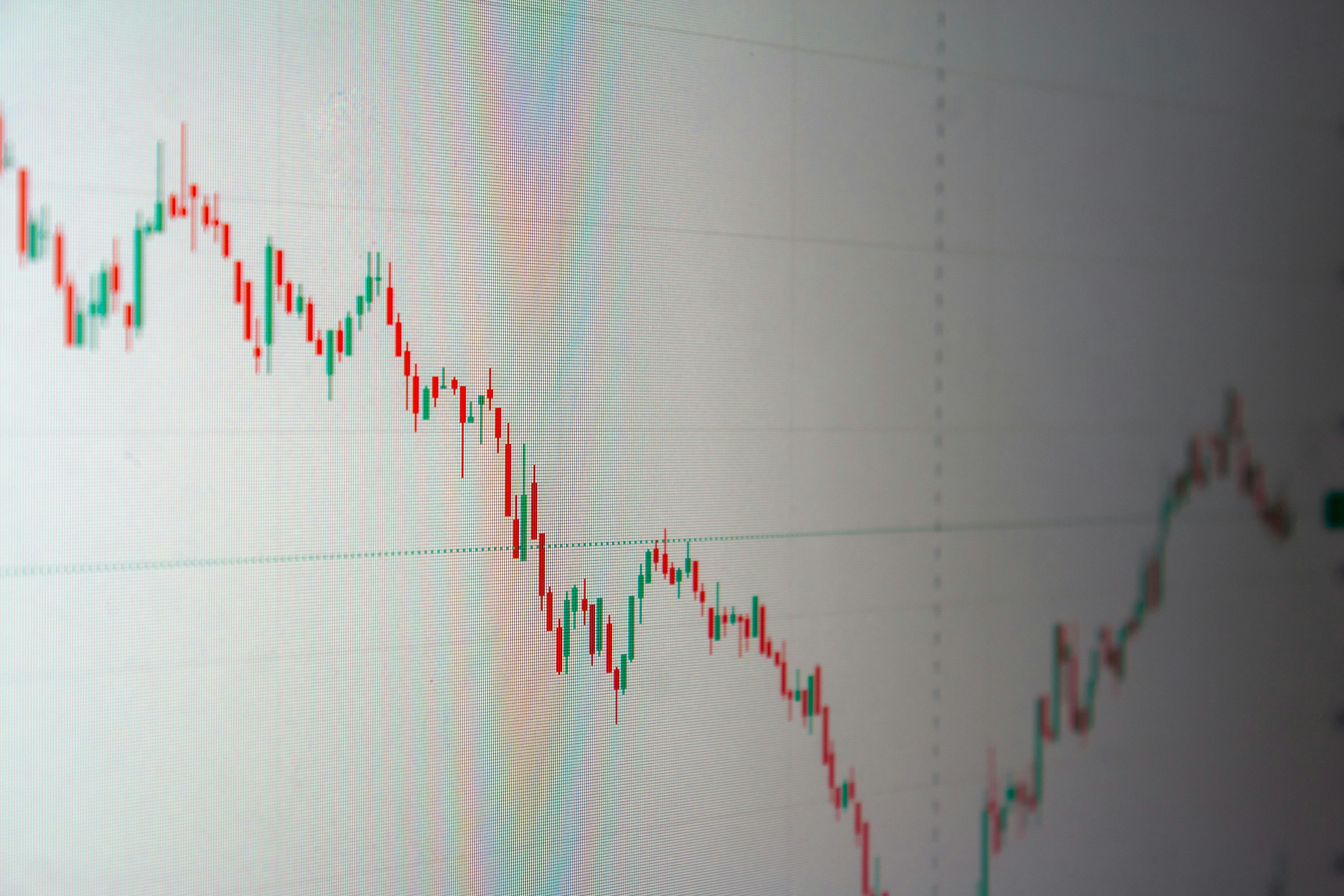
The market is currently characterized by volatile weekly price movements, highlighting sensitivity to feedstock conditions, regional trade flows and short-term supply-demand changes.
Naphtha – The Primary Feedstock Driver
Why Naphtha Matters
Naphtha is primary feedstock for ethylene and propylene production. Changes in naphtha price directly affect multiple industries, especially petrochemicals. Current demand dynamics in primary end-use sector for naphtha are influenced by petrochemical industry's need for feedstocks, with prices rising in response to increased demand for ethylene and propylene. Seasonal demand patterns and structural demand shifts are reshaping naphtha price outlook, with 5% increase in demand for petrochemicals expected in second half of 2026.
Regional Price Analysis
Naphtha prices in Asia Pacific are stable, with downstream demand failing to absorb available supply in some periods. Japan's petrochemical industry relies heavily on naphtha-based feedstocks, changes in naphtha availability and costs have direct influence on ethylene production economics. For buyers, Japanese market demonstrates why monitoring both ethylene and naphtha is critical.
Short-term forecast – In short term, global naphtha price expected to remain firm due to downstream petrochemical operating rates, crude oil movements, and seasonal demand. Long-term, coal exporters forced to look for new markets could lead to oversupply and downward pressure on raw material prices, while volatility in coal market could result in higher energy costs in countries relying on burning coal for power generation.
Naphtha price impacts industries through petrochemical operating rates. Industrial demand remains linked to steam cracker economics. When naphtha is expensive versus ethane, European and Asian crackers running naphtha face cost disadvantage versus US and Middle East ethane-based crackers.
Ethylene – World's Most Produced Building Block
Production Economics
Ethylene is world's most widely produced petrochemical building block, manufactured by steam cracking either ethane, a natural gas liquid abundant and cheap in North America and Middle East, or naphtha, a crude oil derivative that dominates feedstock slates in Europe and much of Asia. It serves as essential precursor for polyethylene, ethylene oxide, ethylene glycol, polyvinyl chloride, and styrene, making it foundational to plastics, packaging, textiles, and construction materials.
Price Trends 2026
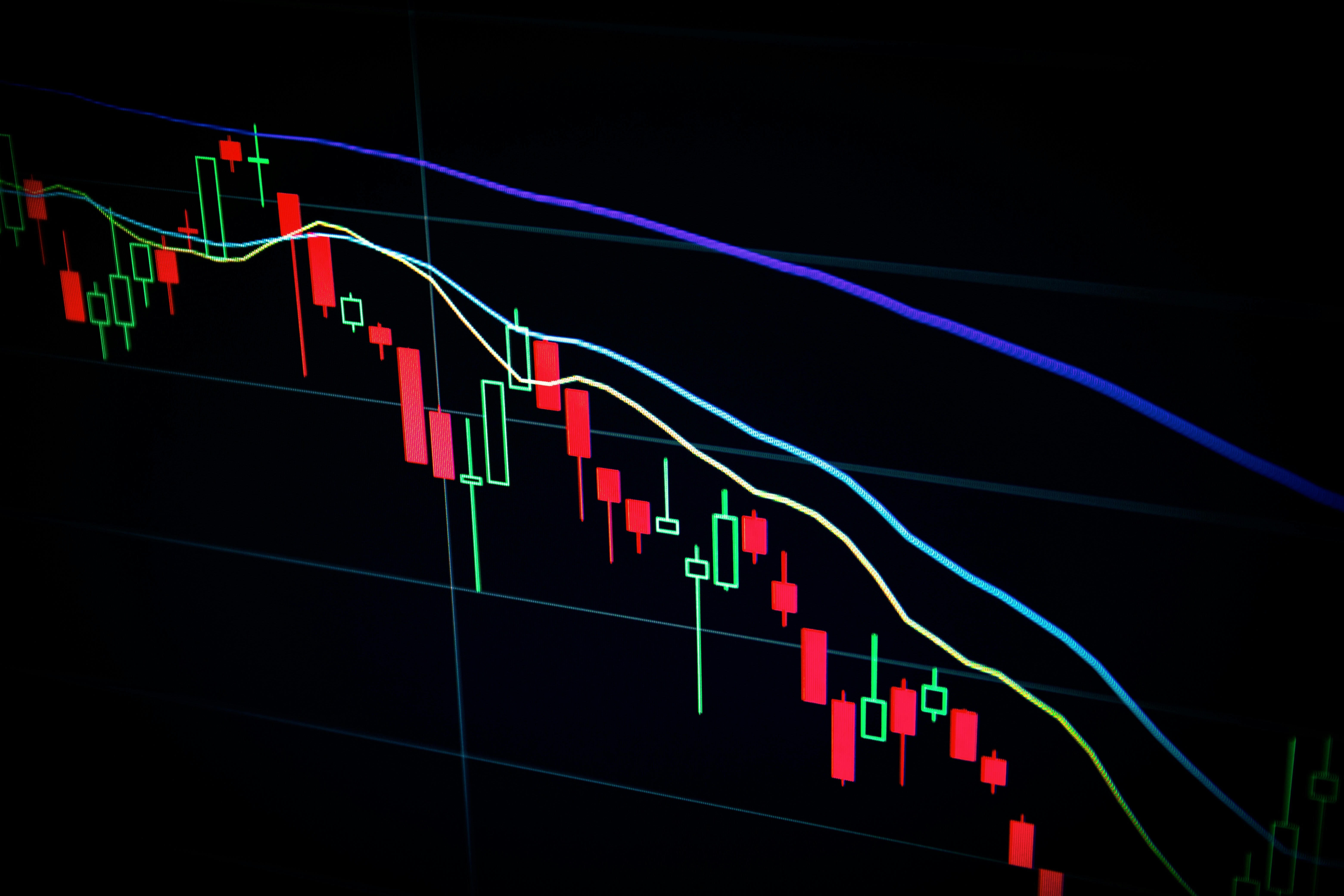
Ethylene price forecasts and market foresight Q3 2026 – Outlook strongly bearish, confidence high. Ethylene prices expected to remain under strong downward pressure globally during Q3 2026, driven by weaker naphtha feedstock costs, ample cracker operating rates, and subdued demand from polyethylene and downstream chemical sectors. Asia likely to witness steepest correction amid abundant regional supply, while Europe may continue to face price erosion due to comfortable inventories.
This follows period of relative stability after supply chain constraints, shortages, and inflation pressures in 2021 and 2022. For 2024 and 2025, dominant theme was moderating inflation and continued growth. While extreme price spikes largely subsided, overall cost basis remains elevated compared to pre-pandemic levels.
For Japan, Q2 2026 market characterized by volatile weekly price movements. Because Japan relies heavily on naphtha-based feedstocks, naphtha availability directly influences ethylene production economics.
Propylene – Regional Divergence Most Pronounced
Key Factors Influencing Volatility
Key factors that influence propylene price volatility include crude oil, propane, naphtha costs, refinery operating rates, and downstream polypropylene demand. Dominant producers vary by region, and procurement teams use propylene price data to manage input cost risk.
Propylene Q2 2026 prices hit 980 dollars MT Germany, 860 Saudi Arabia, 745 China and 590 US amid regional supply divergence. Malaysia's polymer-grade propylene import prices on CIF Port Klang basis, sourced from Thailand, increased by approximately 58.33% in Q2 2026. Japan's polymer-grade propylene export prices on FOB Tokyo basis increased by approximately 54.49% in Q2 2026. Higher crude oil, propane, and naphtha costs supported increase as concerns about international supply disruptions affected petrochemical sector.
During Q2, Indian buyers faced strong increase in imported costs, while steady demand from polypropylene. Concerns about crude oil supply, propane availability, and naphtha feedstock flows created pressure across petrochemical supply chain. Weak construction weighed on other petrochemical chains and likely affected derivative consumption.
Forecast For 2026-2027
Propylene price forecasts and market foresight Q3 2026 – Outlook strongly bearish, confidence high. Propylene prices expected to remain under strong downward pressure globally during Q3 2026, driven by weaker crude oil and naphtha feedstock costs, ample production availability, and subdued demand from polypropylene and downstream chemical sectors. Asia likely to witness sharpest correction amid abundant regional supply, while Europe may face continued price declines due to comfortable inventories.
FY 2026 forecast points to bifurcated market, which fits 2025 pattern very well. Polymer demand will be main variable. If downstream plastics demand improves, propylene may recover. Europe expected to remain range-bound. Naphtha cost pass-through will continue to shape quarterly movement, while industrial demand recovery remains main upside factor.
Chemical Market Outlook for 2027 – Jump to shipping bottlenecks in Middle East, rising oil, feedstock and chemical prices, shift in buying strategy shifting to supply as priority rather than price, leading to sizeable inventory increase. That was premise behind ICIS Market Intelligence Forum in Chicago: bring analysts, customers and industry participants together to understand how one part of chemical value chain moves another heading into 2027.
Impact On Specialty Chemicals And Food-Grade Ingredients
Even though naphtha, ethylene, and propylene are not directly used in food-grade calcium carbonate, they affect food-grade ingredients indirectly.
First, packaging. Polyethylene from ethylene and polypropylene from propylene drive bag and liner costs. HDPE versus naphtha chart shows history repeating, with polyolefin pricing falling in tandem with naphtha. When naphtha falls, packaging costs ease, reducing delivered cost of 25 kg PE-lined bags for minerals.
Second, energy linkage. Naphtha and crude set natural gas and electricity pricing. High natural gas costs led directly to announced idling of three acetyls units at Hull in UK. Same energy cost pressure raises drying costs for zinc sulfate monohydrate, spray drying for vitamins, and extrusion for fortified rice kernels.
Third, petrochemical feedstock for vitamins. Folic acid, niacinamide, and riboflavin depend on pyridine and other petrochemical intermediates derived from ethylene and propylene chains. Petrochemical feedstock price volatility up around 8% in early 2026 has prompted cost-pass-through strategies in specialty chemicals.
Fourth, freight. Rising oil, feedstock and chemical prices increase freight surcharges, affecting landed cost of imported food-grade minerals.
Pricing Outlook And Buyer Actions For 2026-2027
Industry trends chemicals October 2026 – A recovery in 2027 depends on US-Iran agreement in coming months. Provided preliminary agreement can be reached, oil and gas supplies should gradually recover and global chemicals production rebound by 1.2% in 2027. Among subsectors, basic chemicals output to grow by 1.0%, paints and coatings by 3.0%, soaps and detergents by 1.2%.
Commodity chemicals market size starting at 921 billion in 2026 projected to touch 980 billion in 2027, growth driven by plastics demand 24% of consumption, infrastructure 14%, feedstock cost advantages improving producer margins by nearly 12%. Trends bio-based feedstock adoption reaches 9% of new projects, while process electrification and recycled-content blending each influence roughly 15% of plant upgrades.
For buyers, practical actions include separating raw material trend from conversion trend, tracking four decision signals of input trend, lead-time movement, supplier capacity discipline, and compliance friction, and building tiered budgets with base, pressure, and disruption cases. Set category review frequency at every 30, 60, or 90 days based on volatility. Require landed-cost comparison, not ex-works only. Pre-approve alternate suppliers for categories with 8-week-plus qualification cycles.
Global basic petrochemical market expected to reach estimated 606 billion by 2027 with CAGR 3.2% from 2021 to 2027, major growth drivers growing demand in end use industries. Emerging trends include capacity additions and shift toward bio-based feedstocks. Sustainable chemical feedstocks market 2027-2035 represents change in raw material base comparable to shift from coal to oil in mid-twentieth century.
Manufacturing costs expected to remain elevated through 2027 as supply disruptions, geopolitical conflict and trade barriers offset weaker aggregate demand. Materials price index forecast to decline modestly in 2027 but remain well above 2025 levels.
Sources:
Oil & Petrochemicals Monthly Report – Aljazira Capital – Ethylene, EDC, MEG and methanol prices increased – Naphtha 825 – Propylene-Asia 1060 – https://aljaziracapital.com.sa
Propylene Price Trend 2026 Forecast – Q2 2026 prices hit USD 980 Germany, 860 Saudi Arabia, 745 China and 590 US amid regional supply divergence – https://expertmarketresearch.com
Ethylene Price Trend 2026 – world's most widely produced petrochemical building block – ethane vs naphtha feedstock – https://expertmarketresearch.com
Chemical Market Outlook for 2027 – ICIS Forum – shipping bottlenecks, rising oil, feedstock and chemical prices – shift to supply priority – https://icis.com
Aluminium Chlorohydrate
Found this useful?