PFAS in Biosolids: Agricultural Supply Chain Risks Explained | ChemicalsBlog.com
Agrochemicals & Fertilizers
schedule4 Min Read
PFAS in Biosolids: Understanding the Agricultural Contamination Risk for Crop-Derived Ingredients
terminal
prodchem
Jul 10, 2026
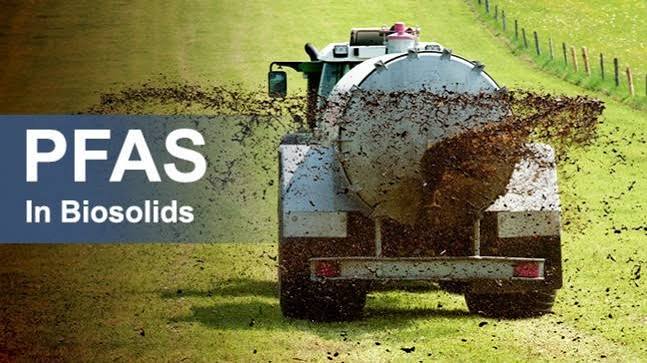
PFAS (Per- and Polyfluoroalkyl Substances), often referred to as "forever chemicals," have become one of the most closely monitored environmental contaminants worldwide. While PFAS are widely discussed in relation to drinking water and industrial emissions, another important pathway has gained increasing attention biosolids used as agricultural fertilizer.
Recent discussions surrounding the U.S. Environmental Protection Agency's (EPA) draft guidance have renewed focus on the potential risks associated with PFAS in biosolids applied to farmland. Since biosolids are commonly used to improve soil fertility, concerns have emerged about the possibility of PFAS entering agricultural soils, being absorbed by crops, and eventually reaching food and agricultural supply chains.
For procurement professionals sourcing crop-derived ingredients such as starches, vegetable oils, sugar, and food additives, understanding this issue is becoming increasingly important for supplier due diligence and traceability programs.
What Are Biosolids?
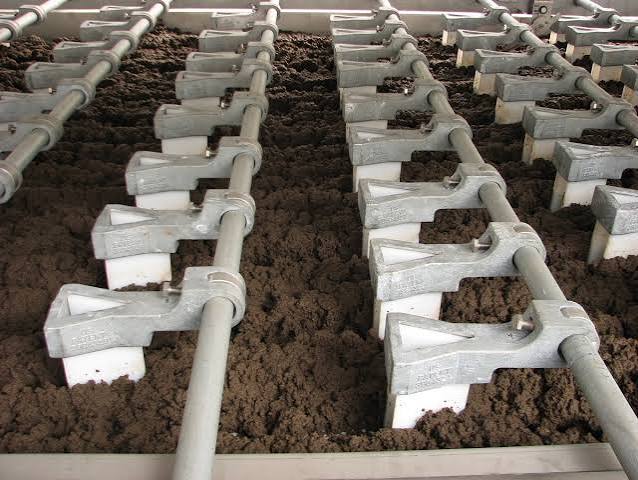
Biosolids are treated sewage sludge that has undergone processing to make it suitable for agricultural use under regulatory requirements.
They are commonly applied to farmland because they contain valuable nutrients, including:
When managed appropriately, biosolids can improve soil quality and reduce reliance on synthetic fertilizers. However, they may also contain contaminants originating from industrial, commercial, and household wastewater.
How PFAS Enter Agricultural Soils
PFAS are highly persistent chemicals used in numerous industrial and consumer products due to their resistance to heat, oil, grease, and water.
Potential contamination pathway includes:
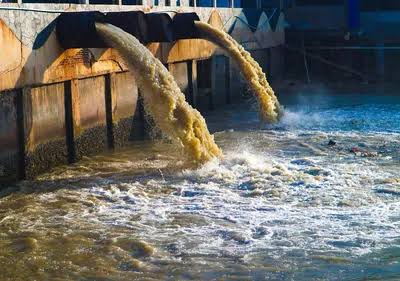
PFAS enter municipal wastewater.
Wastewater treatment concentrates PFAS into biosolids.
Biosolids are applied to agricultural land.
PFAS accumulate in soil over time.
Certain crops may absorb PFAS from contaminated soils.
Agricultural products enter food and industrial supply chains.
Because PFAS degrade very slowly, repeated biosolid applications can increase long-term soil contamination.
Why Procurement Teams Should Pay Attention
For buyers of agricultural raw materials, the issue extends beyond environmental compliance.
Crop-derived ingredients sourced from affected agricultural regions may require additional traceability to demonstrate responsible sourcing and regulatory compliance.
Products potentially impacted include:
Starches
Vegetable oils
Sugar products
Grain-derived ingredients
Food processing inputs
Animal feed ingredients
As customer expectations and regulatory scrutiny continue to increase, supply chain transparency becomes increasingly valuable.
Strengthening Agricultural Supplier Due Diligence
Organizations purchasing agricultural ingredients should consider expanding supplier assessments to include environmental risk factors where appropriate.
Areas to evaluate include:
Agricultural Sourcing Regions
Understand where raw materials are grown and whether local environmental concerns have been identified.
Review supplier sustainability policies and environmental monitoring practices where applicable.
Regulatory Compliance
Confirm suppliers comply with applicable environmental and agricultural regulations within their operating markets.
The Growing Importance of Traceability
Modern agricultural supply chains increasingly depend on transparency.
Digital traceability systems, supplier documentation, and sustainability reporting are becoming essential tools for demonstrating product integrity and supporting customer confidence.
Rather than responding only after contamination concerns arise, many organizations are strengthening supplier qualification and monitoring programs as part of broader risk management strategies.
Looking Ahead
PFAS contamination in biosolids represents an evolving issue at the intersection of environmental science, agriculture, and food supply chain management. Although biosolids continue to provide important agronomic benefits, growing awareness of persistent contaminants highlights the need for stronger traceability, environmental monitoring, and responsible sourcing practices.
For procurement professionals, the focus should be on building transparent supply chains supported by reliable supplier documentation and robust risk assessment processes. As regulatory expectations continue to evolve, organizations that invest in proactive supplier evaluation and traceability will be better positioned to manage future compliance requirements while maintaining confidence in crop-derived ingredient sourcing.
Key Takeaways
Biosolids remain an important agricultural soil amendment but may also serve as a pathway for PFAS contamination.
Persistent PFAS compounds can accumulate in agricultural soils over time.
Procurement teams should strengthen traceability for crop-derived raw materials where appropriate.
Supplier qualification should include environmental management and sourcing transparency.