
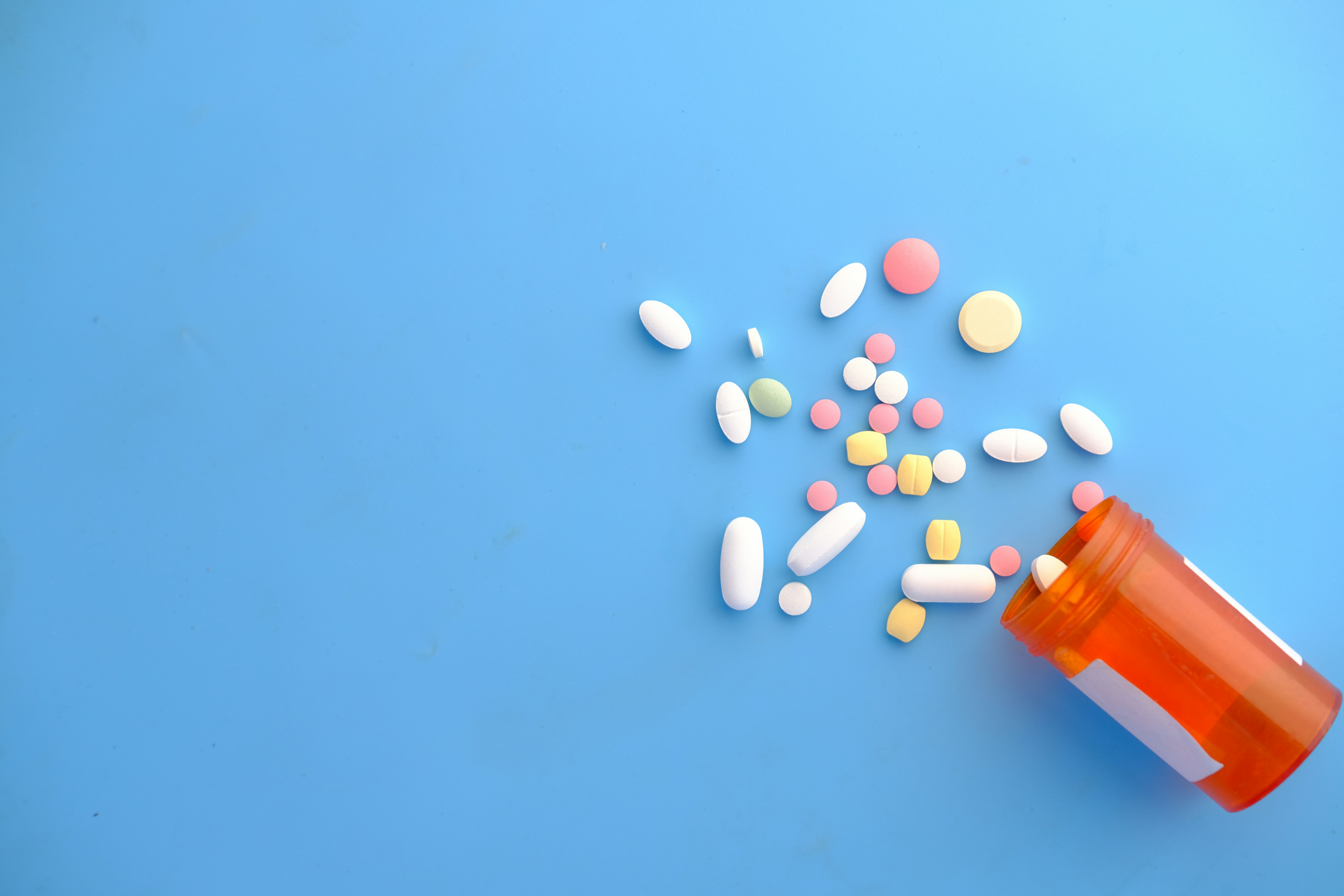
Pharmaceutical Excipient Types, Application and Importance in Drug Manufacturing
Pharmaceutical Excipients: Types, Applications and Importance in Drug Manufacturing
What Are Pharmaceutical Excipients and Why They Matter
Excipients play a fundamental role in the formulation and development of high-quality pharmaceutical products, and they are essential components of any medication, being key to the efficacy, stability, and safety of the final product. Pharmaceutical excipients are substances formulated in medications maintaining active pharmaceutical ingredients (APIs) in a certain amount, and their fundamental application is to aid in drug manufacturing and offer various dosage forms. Although these compounds do not have a direct therapeutic effect, they play a very important role in the manufacturing, stability, absorption, and easier consumption of medicines, which is why regulators now treat excipients not as inert fillers, but as critical quality attributes that must be qualified, tested, and traced like APIs. Excipients have been developed to enhance drug stability, bioavailability, or patient acceptability, assist in drug delivery systems, improve drug safety, and maintain the integrity and effectiveness of drug formulation, and a failure in excipient quality can cause a batch to fail dissolution, stability, or bioequivalence even when the API itself is perfect.
Types of Excipients and Their Functions
Diluents and Fillers for Bulking and Dosing
Excipients are defined as inactive substances formulated alongside the API in a medication, and their primary purposes include bulking and dosing, where they provide bulk to formulations containing potent active ingredients, facilitating accurate dosing, with common examples including fillers or diluents like lactose and starch. Excipients can include a wide variety of compounds such as diluents, binders, disintegrants, lubricants, colorants, sweeteners, and preservatives, and fillers are used to increase the volume of medicines, especially in tablets and capsules, where the API dose may be only a few milligrams and cannot be compressed alone. In this category, lactose monohydrate, microcrystalline cellulose, mannitol, sorbitol, and calcium carbonate are widely used, with sorbitol providing the added benefit of sugar-free sweetness, cooling taste, and humectancy for chewable tablets, while calcium carbonate provides both filler and calcium fortification in antacids and supplements.
Binders, Disintegrants and Lubricants for Tablet Manufacturing
Binders hold tablet ingredients together, disintegrants ensure the tablet breaks apart in the stomach, and lubricants prevent sticking to punches during compression, and together these three functions determine whether a tablet can be manufactured at high speed without capping, lamination, or weight variation. Common binders include hydroxypropyl methylcellulose (HPMC), povidone (PVP), and starch paste, which provide adhesion and granule strength, while disintegrants like croscarmellose sodium, sodium starch glycolate, and crospovidone swell on contact with water to break the tablet into granules for dissolution. Lubricants such as magnesium stearate, stearic acid, and sodium stearyl fumarate reduce friction, but must be used at low levels, typically 0.5% to 2%, because over-lubrication can slow dissolution and reduce bioavailability, which is why formulators validate lubricant level, blending time, and hardness in every scale-up.
Excipients in Liquid, Semi-Solid and Special Dosage Forms
Liquid Dosage Forms: Solvents, Preservatives and Sweeteners
Excipients used in liquid dosage forms include solvents and co-solvents, buffering agents, preservatives, antioxidants, humectants, wetting agents, anti-foaming agents, thickening agents, sweetening agents, and flavouring agents, and each of these plays a specific role in keeping the API dissolved, stable, and palatable. For example, sorbitol solution 70% and glycerine act as humectants, sweeteners, and viscosity builders in syrups and elixirs, preventing cap-locking and improving mouthfeel, while propylene glycol and ethanol act as co-solvents for poorly soluble APIs, and parabens or benzoic acid act as preservatives to prevent microbial growth during the shelf life of multi-dose bottles. Excipients may act as fillers, stabilizers, emulsifiers, flavoring agents, coloring agents, or coatings, and in liquid forms, emulsifiers like polysorbate 80 and stabilizers like xanthan gum ensure that suspensions and emulsions do not separate on storage.
Coatings, Colorants and Controlled Release
Excipients enhance the stability of the drug, preventing degradation over time, and can improve bioavailability by aiding in the absorption of the API, and coatings are a prime example, where film coatings with HPMC, enteric coatings with methacrylic acid copolymers, and sugar coatings protect the API from moisture, light, and stomach acid, and mask bitter taste for pediatric compliance. Colorants and flavouring agents improve patient acceptability and help differentiate strengths, but must comply with FDA, EFSA, and FSSAI colour regulations, while controlled-release excipients like ethylcellulose, carbomer, and hypromellose matrices allow once-daily dosing by releasing the API slowly over 12 to 24 hours, improving adherence for chronic diseases.
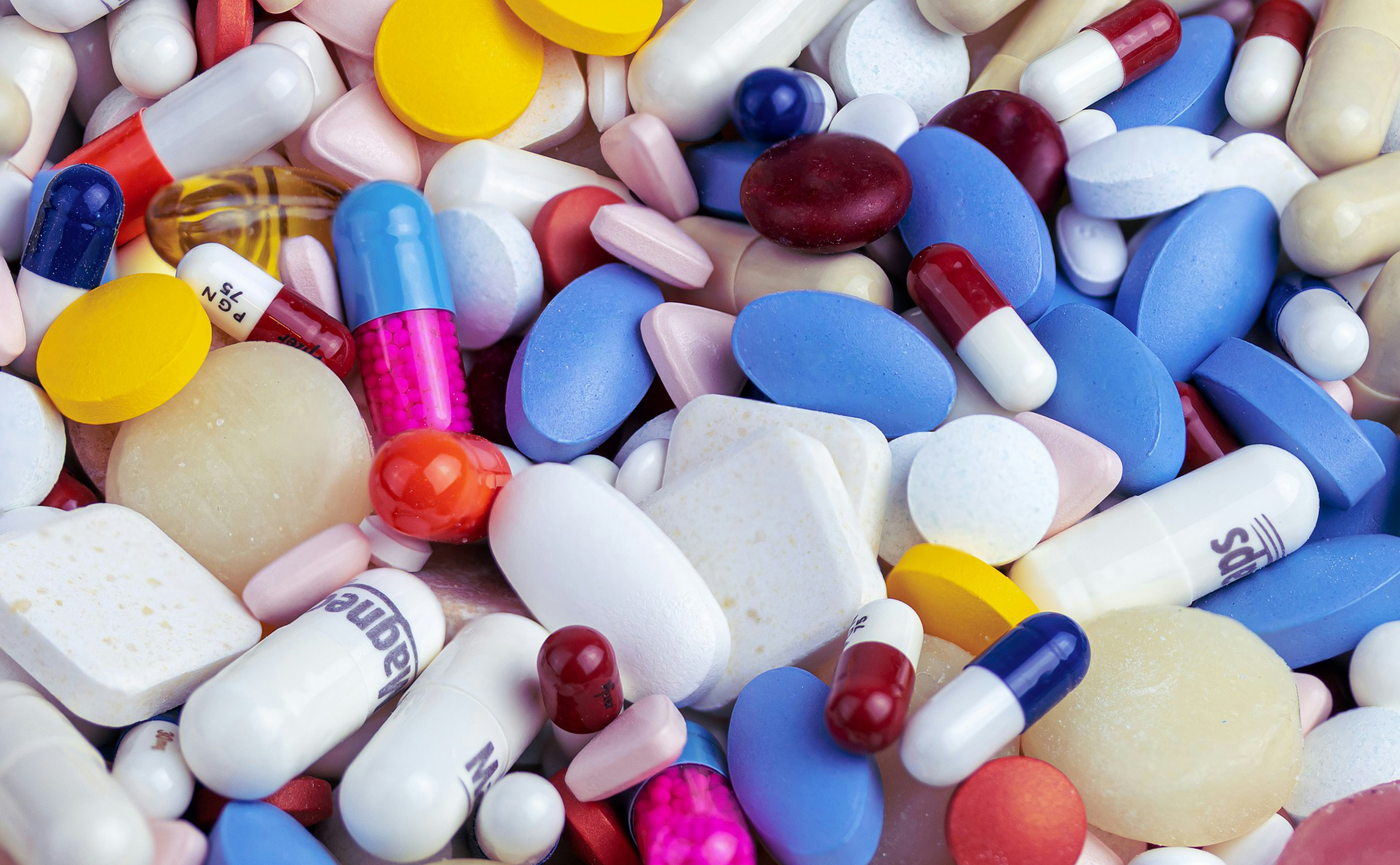
Importance in Drug Manufacturing and Patient Safety
Stability, Bioavailability and Manufacturability
Pharmaceutical excipients are a crucial component in the development of medications, and these substances are combined with the active pharmaceutical ingredient to create a safe, effective, and stable medicine, because without excipients, most APIs could not be manufactured into a dosage form that is stable, accurate, and easy to take. Excipients are added to aid the formulation and manufacture of the subsequent dosage form for administration to patients, and they ensure that the tablet compresses correctly, the capsule fills uniformly, the syrup does not crystallise, and the injectable does not precipitate on storage. From a regulatory perspective, excipients must meet pharmacopeial monographs in USP, EP, and JP, be tested for impurities like residual solvents, heavy metals, and microbial limits, and be sourced from qualified suppliers with full traceability, because ICH Q3 and FDA guidance now require excipient risk assessment for all new drug applications.
Future Trends: Multifunctional and Novel Excipients
The future of excipients is moving toward multifunctional co-processed excipients that combine diluent, binder, and disintegrant in one particle for direct compression, and toward novel excipients for biologics, inhalation, and 3D-printed tablets, where traditional excipients cannot meet the requirements for protein stability or precise dosing. Buyers should evaluate excipient suppliers on the same principles as chemical supplier evaluation: COA history, batch consistency, GMP compliance, REACH and DMF status, and change control, because a change in excipient grade or supplier can affect dissolution and bioequivalence and trigger a new stability study. By treating excipients as strategic ingredients rather than commodities, pharmaceutical manufacturers can reduce batch failures, accelerate scale-up, and deliver safer, more effective medicines to patients worldwide.
Sources with Links:
Excipients: Their importance in the pharmaceutical industry – DC Fine Chemicals – https://www.dcfinechemicals.[STRIPPED 65 bytes] Pharmaceutical Excipients – Definition and Role – Landu New Material – https://ldcellulose.com/en/pharmaceutical-excipients/
What Are Pharmaceutical Excipients and What Are Their Types? – Avanchemi – https://en.avanchemi.[STRIPPED 68 bytes] Pharmaceutical Excipients – BOC Sciences – https://www.bocsci.com/products/pharmaceutical-excipients-275.html?page=27
Laundry Soap Noodles TFM 64 - 66% (90:10)
Found this useful?