Pharmaceutical Ingredient Shippers Face a New Cost Shock as Oil Breaks $90

Pharmaceutical Ingredient Shippers Face a New Cost Shock as Oil Breaks $90
Introduction
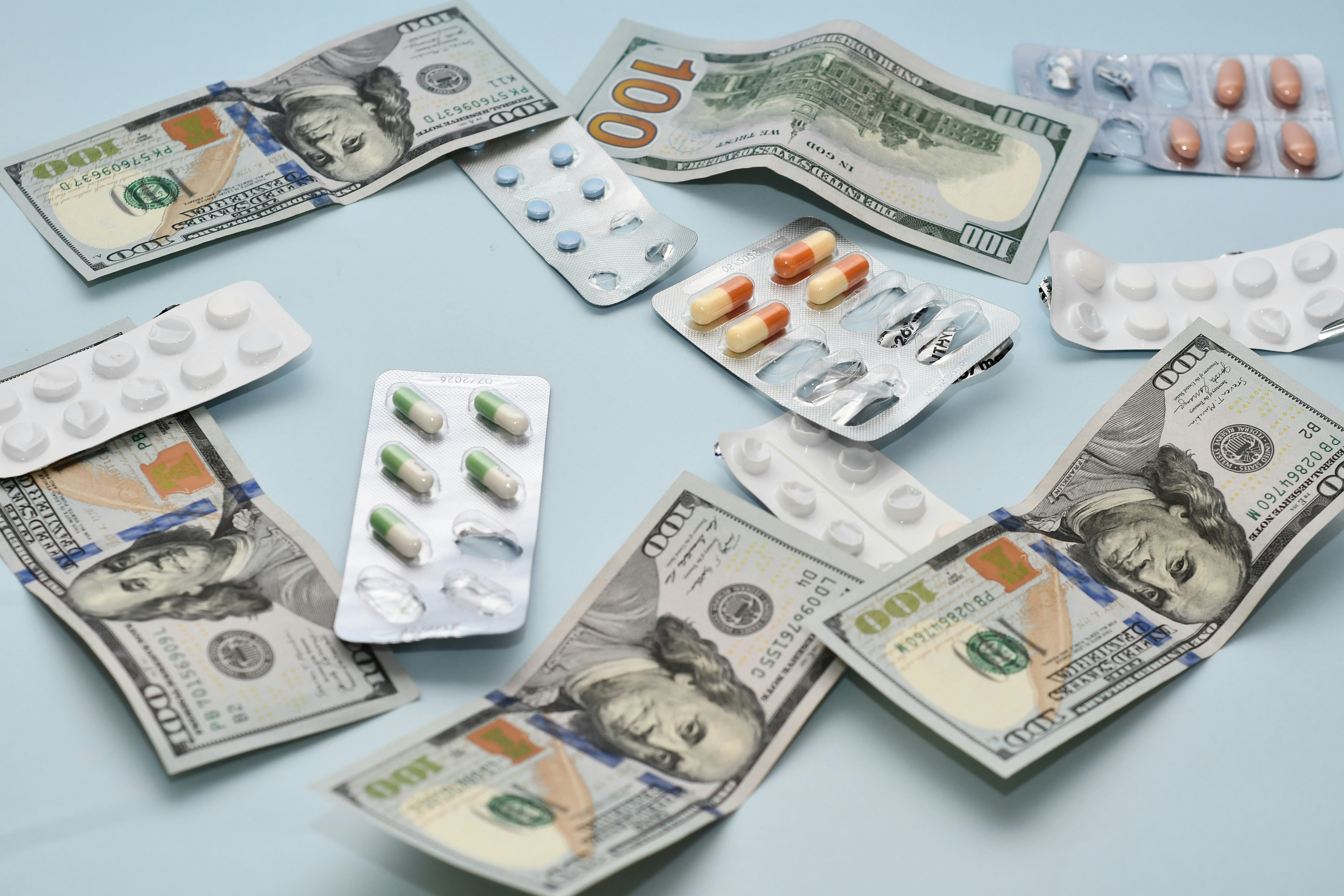
The global pharmaceutical supply chain is once again facing mounting cost pressures as crude oil prices climb above the $90 per barrel threshold. For manufacturers, contract development and manufacturing organizations (CDMOs), active pharmaceutical ingredient (API) producers, and logistics providers, higher oil prices extend well beyond fuel expenses. They influence ocean freight, air cargo rates, packaging materials, chemical feedstocks, and overall landed costs.
As pharmaceutical ingredients move through complex international supply chains, rising energy prices have the potential to increase procurement costs and compress profit margins. Companies that proactively manage freight exposure and diversify sourcing strategies will be better positioned to maintain supply continuity in an increasingly volatile market.
Why Oil Prices Matter to Pharmaceutical Logistics
Oil prices directly affect nearly every stage of pharmaceutical transportation. Marine fuels, aviation fuel, trucking diesel, and petrochemical-based packaging materials all become more expensive when crude prices rise.
For pharmaceutical ingredient shippers, this means:
Higher ocean freight surcharges
Increased air cargo operating costs
Rising inland transportation expenses
More expensive temperature-controlled logistics
Higher packaging and plastic material costs
Since many pharmaceutical ingredients require specialized handling, even modest fuel increases can significantly impact total shipping costs.
Active Pharmaceutical Ingredients (APIs) Feel the Pressure
Global API production depends heavily on international trade. Large volumes of pharmaceutical ingredients are transported between manufacturing hubs in Asia, Europe, and North America before reaching finished drug manufacturers.
Higher freight costs particularly affect:
Generic drug manufacturers operating on thin margins
High-volume API exporters
Temperature-sensitive biologics
Peptide and complex pharmaceutical ingredients
Sterile injectable manufacturing supply chains
Companies relying on long-distance sourcing may experience noticeable increases in landed costs if freight rates continue to climb alongside oil prices.
Supply Chains Already Operating Under Pressure
The pharmaceutical industry enters this period of rising energy costs while still managing several existing challenges, including:
Geopolitical trade disruptions
Port congestion in key shipping regions
Longer transit times on selected trade lanes
Currency fluctuations
Increasing regulatory compliance costs
Inventory optimization initiatives
The addition of higher transportation costs creates another layer of financial pressure for procurement teams responsible for maintaining uninterrupted supply.
Procurement Strategies to Reduce Freight Exposure
Rather than reacting after logistics costs increase, pharmaceutical procurement teams should strengthen their transportation strategies now.
Recommended actions include:
Diversify Supplier Locations
Reducing dependence on a single manufacturing region helps minimize exposure to freight disruptions and regional transportation cost spikes.
Optimize Shipment Planning
Consolidating shipments and improving production scheduling can reduce the frequency of costly expedited transportation.
Negotiate Long-Term Freight Agreements
Long-term contracts with logistics providers may offer greater cost stability during periods of oil price volatility.
Monitor Landed Cost Continuously
Procurement decisions should account for transportation, insurance, customs duties, warehousing, and handling costs—not just supplier pricing.
Increase Supply Chain Visibility
Real-time freight tracking and predictive logistics analytics enable companies to respond quickly to shipping delays and cost fluctuations.
Which Pharmaceutical Segments Are Most Vulnerable?
Not every pharmaceutical product is affected equally. Segments with complex manufacturing or strict transportation requirements face greater cost exposure.
These include:
Active Pharmaceutical Ingredients (APIs)
Biologics
Peptides
Vaccine components
Sterile injectables
Cold-chain pharmaceutical ingredients
High-value specialty chemicals
These products often require temperature-controlled logistics, priority transportation, or specialized packaging, making them especially sensitive to rising fuel costs.
What Procurement Leaders Should Watch in H2
If oil prices remain above $90, procurement teams should closely monitor several indicators throughout the second half of the year:
Ocean freight rate movements
Fuel surcharge announcements
Air cargo pricing trends
Container availability
Port congestion updates
Regional geopolitical developments
Supplier lead-time changes
Regular monitoring allows organizations to adjust sourcing decisions before transportation costs escalate further.
Conclusion
Oil prices exceeding $90 per barrel represent more than an energy market milestone—they signal another potential cost shock for pharmaceutical ingredient shippers worldwide. Rising transportation expenses can quickly increase landed costs, disrupt procurement budgets, and pressure supply chain performance.
Organizations that strengthen supplier diversification, improve freight visibility, negotiate logistics contracts strategically, and continuously monitor total landed costs will be better equipped to navigate market volatility. In today's pharmaceutical supply chain, resilient logistics planning has become just as important as competitive ingredient sourcing.

Crude Palm Oil
Found this useful?