

Phosphoric Acid: Applications in Fertilizers, Food and Chemical Processing
Phosphoric Acid: Applications in Fertilizers, Food and Chemical Processing
Phosphoric acid is an important inorganic chemical widely used in agriculture, food processing and industrial manufacturing. With the chemical formula H₃PO₄, it serves as a primary raw material for producing phosphate fertilizers and various phosphate-based chemicals. Its ability to regulate acidity, provide phosphate compounds and support chemical reactions makes it valuable across multiple industrial sectors.
Commercially, phosphoric acid is generally produced through wet-process and thermal-process manufacturing methods. The wet process involves reacting phosphate rock with sulfuric acid, while the thermal process involves burning elemental phosphorus and hydrating the resulting phosphorus oxide. The production method and subsequent purification determine the quality and grade of the final product.
From improving agricultural productivity to supporting food formulations and chemical production, phosphoric acid remains an essential component of the global chemical supply chain.
Understanding Phosphoric Acid and Its Chemical Properties
Phosphoric acid, also known as orthophosphoric acid, is a colorless, odorless and water-soluble inorganic acid. It is commercially available in different concentrations and grades depending on its intended application.
Some of its important chemical properties include:
Chemical formula: H₃PO₄.
Molecular weight: Approximately 98 g/mol.
Acidic properties: Helps regulate pH in industrial and food formulations.
Water solubility: Easily mixes with water for various chemical applications.
Phosphate formation: Serves as a starting material for producing phosphate salts and compounds.
Industrial versatility: Used in fertilizers, food additives, detergents, metal treatment and chemical processing.
These properties make phosphoric acid a valuable raw material for manufacturers requiring reliable phosphate sources and acidity control.
Applications of Phosphoric Acid in the Fertilizer Industry
Agriculture represents the largest application sector for phosphoric acid. It is a major raw material in the production of phosphate fertilizers, which supply phosphorus, an essential nutrient for plant growth and development.
1. Production of Phosphate Fertilizers
Phosphoric acid is widely used to manufacture important phosphate fertilizers, including:
Monoammonium Phosphate (MAP): Supplies phosphorus and nitrogen to crops.
Diammonium Phosphate (DAP): Provides two essential plant nutrients, phosphorus and nitrogen.
Triple Superphosphate (TSP): A concentrated phosphorus fertilizer used in agricultural applications.
These fertilizers help support root development, energy transfer and other essential plant functions.
2. Improving Crop Nutrition
Phosphorus is necessary for several biological processes in plants, including photosynthesis, energy storage and transfer, and root development.
Phosphoric acid serves as a phosphate source in fertilizer manufacturing, helping agricultural producers develop formulations that support crop nutrition.
Its contribution is particularly important in farming systems where soil phosphorus availability is limited.
3. Manufacturing Specialty Fertilizers
Phosphoric acid is also used in the production of specialty phosphate fertilizers and water-soluble nutrient formulations.
These products are designed for different soil conditions, crop requirements and agricultural application methods. Manufacturers can adjust fertilizer compositions to deliver specific nutrient ratios for commercial farming operations.
Applications of Phosphoric Acid in the Food Industry
Food-grade phosphoric acid is widely used in food and beverage manufacturing. It functions primarily as an acidity regulator and flavoring ingredient, helping manufacturers maintain consistent product characteristics.
1. Soft Drinks and Beverage Production
One of the most familiar applications of phosphoric acid is in carbonated beverages, particularly cola drinks.
It provides a sharp, tangy taste and helps regulate acidity. Its use also contributes to the overall flavor profile and formulation stability of certain beverages.
2. Food Preservation and Acidity Regulation
Phosphoric acid is used in selected processed food products to control pH levels. Proper acidity management can influence flavor, product stability and the effectiveness of preservation systems.
It may be incorporated into products such as processed cheeses, sauces and other formulated foods, depending on applicable food regulations.
3. Food Processing and Manufacturing
Phosphoric acid has applications in food processing operations, including pH adjustment and selected equipment-cleaning formulations.
Food manufacturers must use appropriate food-grade material and comply with relevant food safety regulations. The permitted concentration and application depend on the specific product and intended use.

Applications of Phosphoric Acid in Chemical Processing
Beyond agriculture and food production, phosphoric acid is an important raw material for manufacturing various industrial chemicals and phosphate derivatives.
1. Production of Phosphate Salts
Phosphoric acid reacts with different bases to produce phosphate salts, which are used in detergents, water treatment, food processing and industrial formulations.
These compounds offer functional properties such as buffering, pH control and metal-ion management.
2. Water Treatment Applications
Phosphoric acid and phosphate-based chemicals are used in water treatment processes.
They can support pH adjustment and corrosion control in suitable water systems. Phosphate derivatives are also used in certain formulations designed to manage scale and protect water distribution equipment.
3. Metal Treatment and Surface Cleaning
Phosphoric acid is used in metal treatment processes, particularly for rust removal, metal pickling and surface preparation.
It helps react with iron oxides and is used in selected formulations for preparing metal surfaces before painting or protective coating applications.
4. Detergents and Industrial Cleaning Products
Phosphoric acid is used in the manufacture of certain detergents and industrial cleaning products. Its acidic properties help remove mineral deposits and support cleaning formulations designed for specific industrial applications.
The choice of concentration and formulation depends on the equipment, surface material and cleaning requirements.
Benefits of Phosphoric Acid Across Different Industries
The widespread use of phosphoric acid is supported by several industrial and functional advantages:
Agricultural productivity: Supports the production of phosphorus-based fertilizers essential for crop nutrition.
Food formulation: Helps regulate acidity and contributes to flavor development in selected food and beverage products.
Chemical manufacturing: Serves as a raw material for producing phosphate salts and other chemical derivatives.
Water treatment: Supports pH adjustment and corrosion-control applications.
Metal treatment: Helps remove rust and prepare metal surfaces for further processing.
Industrial versatility: Offers applications across agriculture, food, detergents, water treatment and manufacturing.
Its broad range of applications makes phosphoric acid an important chemical for both large-scale production and specialized industrial processes.
Safety and Handling Considerations for Phosphoric Acid
Although phosphoric acid has many industrial applications, concentrated solutions can cause serious skin burns and eye damage. Proper handling and storage procedures are essential to protect workers and industrial facilities.
Important safety practices include:
Wearing suitable chemical-resistant gloves, protective clothing and safety goggles.
Ensuring adequate ventilation in storage and handling areas.
Following the supplier's Safety Data Sheet (SDS).
Using compatible containers and storage equipment.
Avoiding direct contact with concentrated acid.
Training employees in spill response and emergency procedures.
Businesses should also follow applicable chemical transportation, workplace safety and environmental regulations.
Factors to Consider When Sourcing Phosphoric Acid
Selecting the right phosphoric acid supplier is important for manufacturers operating in agriculture, food processing and chemical production.
Before purchasing, procurement teams should evaluate the following factors:
Product grade: Identify whether agricultural, technical, food or other specialized grades are required.
Concentration: Verify the required acid concentration according to the production process.
Purity specifications: Review the Certificate of Analysis (COA) and technical specifications.
Regulatory compliance: Confirm that the product meets applicable industry and food safety standards.
Packaging and transportation: Evaluate suitable packaging, storage conditions and chemical transportation arrangements.
Supplier reliability: Consider product consistency, supply capacity, documentation and delivery timelines.
Choosing the correct grade and a dependable supplier helps manufacturers maintain production quality and reduce procurement-related disruptions.
The Growing Importance of Phosphoric Acid in Global Manufacturing
Phosphoric acid continues to play a significant role in global industrial development. Its importance in phosphate fertilizer production supports agricultural supply chains, while its applications in food processing and chemical manufacturing contribute to numerous everyday products.
As demand for agricultural nutrients, processed foods and specialized chemical formulations continues to support industrial activity, phosphoric acid remains a strategically important raw material.
For manufacturers and procurement professionals, understanding its different grades, applications and quality requirements is essential for making informed sourcing decisions. Working with reliable suppliers and maintaining proper chemical handling practices can help ensure consistent product quality and efficient industrial operations.
Sources and References
U.S. Environmental Protection Agency (EPA) – Phosphoric Acid Supply Chain Profile:
https://www.epa.gov/system/files/documents/2023-03/Phosphoric%20Acid%20Supply%20Chain%20Profile.pdfPubChem – Phosphoric Acid: Chemical Properties and Uses:
https://pubchem.ncbi.nlm.nih.gov/compound/Phosphoric-acidU.S. Department of Agriculture (USDA) – Phosphoric Acid Technical Report:
https://www.ams.usda.gov/sites/default/files/media/USDAHandlingPhosphoricAcid.pdfAustralian Department of Climate Change, Energy, the Environment and Water – Phosphoric Acid:
https://www.dcceew.gov.au/environment/protection/npi/substances/phosphoric-acidWiley – Phosphoric Acids and Phosphates: Industrial Applications:
https://doi.org/10.1002/0471238961.1608151907011804.a01.pub3
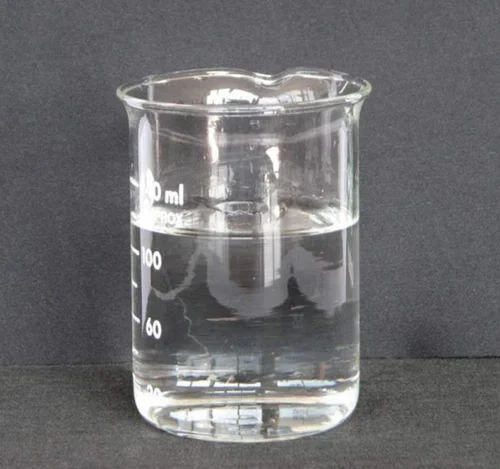
Phosphoric Acid (85%) (E338)
Found this useful?