Phthalic Anhydride: Industrial Applications and Supply Trends
Phthalic anhydride is an important chemical intermediate used across several manufacturing industries, particularly plastics, coatings, synthetic resins and chemical processing. Its ability to participate in different chemical reactions makes it valuable in producing materials that support construction, automotive manufacturing, furniture production and other industrial applications.
The phthalic anhydride market connects several downstream industries, meaning changes in resin production, plasticizer consumption and manufacturing activity can influence overall demand. Its industrial significance also brings attention to occupational safety, environmental management and changing chemical regulations. Understanding these factors provides a broader perspective on its position within the global chemical industry.
What Is Phthalic Anhydride and Why Does It Matter?
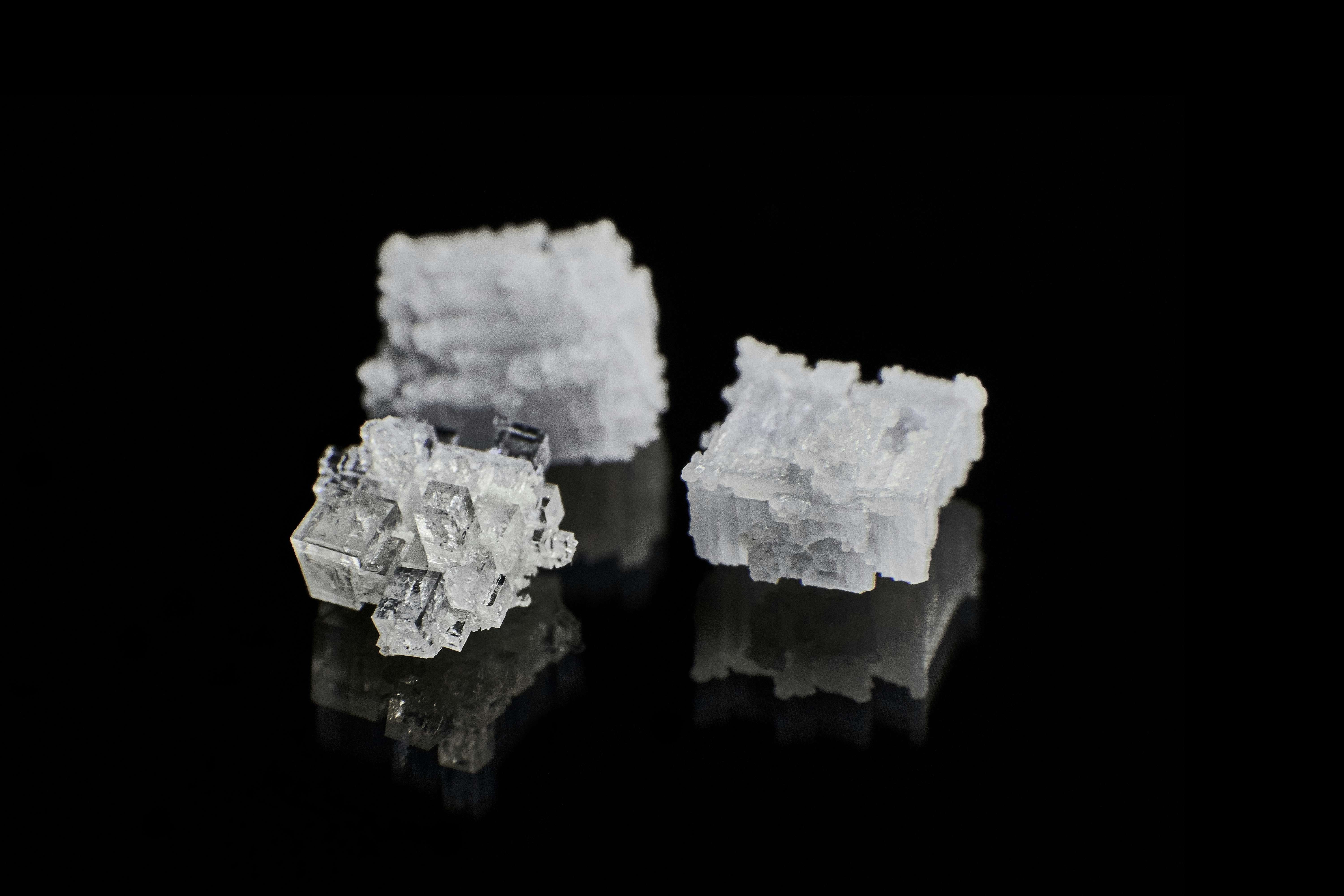
Phthalic anhydride is an organic chemical compound with the molecular formula C₈H₄O₃ and CAS number 85-44-9. It generally appears as a white crystalline solid and serves primarily as an intermediate in the production of other chemical substances.
Its importance comes from its ability to contribute to the formation of different industrial materials. Manufacturers use it in chemical processes associated with resins, plasticizers, dyes and pigments.
Chemical Characteristics and Industrial Importance
Phthalic anhydride belongs to the cyclic acid anhydride family. Its chemical structure allows it to participate in reactions that produce useful derivatives for various manufacturing applications.
Some characteristics that define its industrial significance include:
Chemical versatility: It serves as a starting material for several downstream chemical products.
Resin manufacturing relevance: It contributes to the production of alkyd and unsaturated polyester resins.
Plasticizer applications: Its derivatives support the development of flexible polymer materials.
Specialty chemical production: It also contributes to the manufacture of certain dyes, pigments and other chemical intermediates.
The combination of these applications gives phthalic anhydride an established position in the broader petrochemical and specialty chemical sectors.
Major Industrial Applications of Phthalic Anhydride
The industrial importance of phthalic anhydride extends beyond a single manufacturing segment. Its derivatives contribute to materials used in construction, transportation, consumer products and industrial equipment.
1. Plasticizers and Polymer Manufacturing
One of its major industrial applications involves the production of phthalate ester plasticizers. These compounds help improve flexibility and processing characteristics in certain polymer materials.
Plasticizers have historically played an important role in flexible PVC applications. These materials appear in products such as flooring, cables, synthetic leather and selected flexible components.
However, different plasticizers have different regulatory profiles and application restrictions. Manufacturers must evaluate the suitability of individual derivatives according to the intended application and applicable chemical regulations.
2. Alkyd Resin Production
Phthalic anhydride also contributes to alkyd resin manufacturing. These resins serve as important components in several coating formulations.
Alkyd-based materials appear in:
Industrial protective coatings.
Decorative paints.
Wood finishes and furniture coatings.
Metal surface protection.
Selected maintenance and architectural coating systems.
The performance of these coatings depends on the complete formulation, including the resin composition and other ingredients.
3. Unsaturated Polyester Resins
Another important application involves unsaturated polyester resins.
These materials support the production of composite products used in construction, transportation and industrial manufacturing. Their applications include certain reinforced panels, molded components and structural materials.
Phthalic anhydride contributes to the chemical composition of particular polyester resin systems, helping manufacturers develop materials with specific performance characteristics.
4. Dyes, Pigments and Specialty Chemicals
Phthalic anhydride also serves as an intermediate in producing selected dyes, pigments and specialty chemical compounds.
Its derivatives contribute to applications where colour performance, chemical properties and material compatibility influence the final product.
These applications demonstrate why the chemical remains relevant across several interconnected manufacturing sectors.
Global Demand Drivers and Supply Trends
The demand outlook for phthalic anhydride depends heavily on the industries that consume its derivatives. Rather than following one independent demand cycle, its market performance reflects developments across plastics, coatings, resins and related chemical manufacturing.
Downstream Manufacturing Activity
Construction, automotive manufacturing and industrial coatings represent important areas of downstream demand.
When manufacturing activity increases, producers may experience stronger requirements for resins and associated chemical intermediates. Conversely, slower industrial production can affect consumption across multiple application segments.
The relationship between these industries makes downstream manufacturing activity an important indicator when assessing the broader market.
Regional Industrial Development
Asia has an important position in global chemical manufacturing. Its large industrial base supports demand across plastics, coatings and synthetic materials.
Other manufacturing regions also contribute to consumption through established automotive, construction and specialty chemical industries.
Regional differences in industrial capacity, environmental requirements and manufacturing investment can influence the structure of the global phthalic anhydride industry.
Changing Product Requirements
Manufacturers increasingly evaluate the performance and regulatory suitability of materials used in their products.
This development affects the wider market for plasticizers and resin systems. Demand can shift between different chemical derivatives as manufacturers respond to product specifications, customer expectations and regulatory requirements.
As a result, the long-term relevance of phthalic anhydride depends partly on the ability of downstream industries to adapt their material formulations.
Production Networks and Industrial Supply Chains
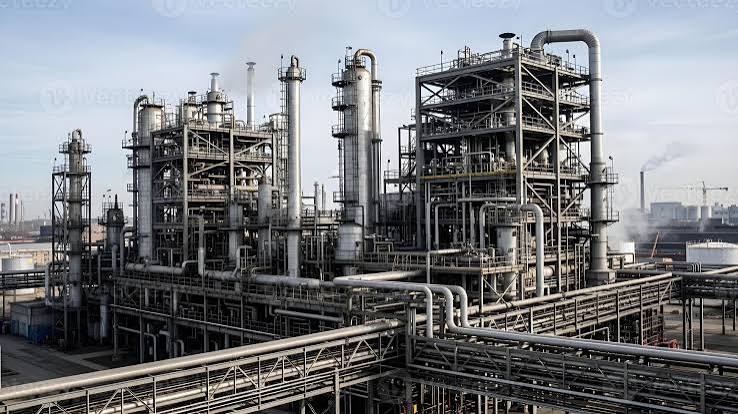
Phthalic anhydride occupies an intermediate position within the chemical manufacturing network. Its industrial relevance depends on the relationship between upstream chemical production and downstream material manufacturing.
Upstream and Downstream Connections
The chemical industry operates through interconnected production stages.
Phthalic anhydride forms part of a wider industrial network that connects basic chemical manufacturing with resin production, plasticizer manufacturing and specialty chemical applications.
Several factors influence this network:
Feedstock availability: Upstream raw material conditions can influence production economics.
Manufacturing capacity: Industrial production capacity affects the ability of the sector to respond to changing demand.
Energy requirements: Energy costs influence the broader economics of chemical manufacturing.
Transportation infrastructure: Industrial logistics connect manufacturing facilities with downstream processing industries.
Regulatory requirements: Environmental and workplace standards influence production operations.
These factors interact rather than operating independently. Changes in one part of the chemical manufacturing network can affect several connected industries.
Importance of Regional Supply Networks
Regional production networks influence the movement of chemical intermediates between manufacturing centres.
Industrial clusters often develop around established chemical production infrastructure and downstream manufacturing facilities. This arrangement supports connections between raw material suppliers, intermediate chemical producers and manufacturers of finished materials.
International trade also contributes to the distribution of chemical products. However, regional production capabilities, transport infrastructure and regulatory requirements can create differences between markets.
Environmental Regulations and Workplace Safety
Environmental responsibility and occupational health have become important considerations across chemical manufacturing.
Phthalic anhydride requires particular attention because exposure can affect workers, especially through inhalation and contact with the eyes or skin.
Occupational Health Considerations
The National Institute for Occupational Safety and Health identifies phthalic anhydride as a substance that can irritate the eyes, skin and respiratory system.
Exposure may also contribute to respiratory sensitization and other health effects.
Industrial facilities therefore need appropriate occupational health management, including:
Formal workplace chemical risk assessments.
Suitable engineering controls and exposure monitoring.
Appropriate protective equipment selected through professional safety assessments.
Employee training and chemical hazard communication.
Proper procedures for managing workplace contamination.
Access to current safety data sheets and emergency response arrangements.
These measures form part of responsible industrial chemical management.
Phthalic anhydride+1
Environmental Management
Chemical manufacturing facilities must also consider environmental performance.
Important areas include industrial emissions, waste management, wastewater treatment and compliance with applicable environmental regulations.
Companies increasingly assess environmental performance across their manufacturing operations. This includes monitoring emissions, improving resource efficiency and strengthening waste management systems.
Regulatory developments can also influence how industrial facilities evaluate chemicals and their conditions of use.
For example, the US Environmental Protection Agency released a draft risk evaluation for phthalic anhydride in April 2026. Its preliminary findings identified potential unreasonable risks under several evaluated conditions of use, with worker exposure representing a major area of concern.
The agency's assessment remains subject to its regulatory review process and public comments.
US EPA
Challenges Affecting the Phthalic Anhydride Industry
Despite its established industrial applications, the phthalic anhydride industry faces several challenges.
These challenges reflect wider developments in chemical manufacturing rather than a single issue affecting every producer.
Changing Regulatory Requirements
Chemical regulations continue to influence industrial manufacturing and downstream product development.
Companies must understand applicable restrictions, chemical classifications and reporting obligations across the markets where they operate.
Differences between regional regulatory frameworks can also complicate compliance for international manufacturers.
Alternative Materials and Formulations
Changes in product specifications and environmental expectations can encourage manufacturers to evaluate alternative materials.
This is particularly relevant in plasticizer and coating applications, where product performance and regulatory suitability both influence formulation decisions.
The development of alternative chemical systems may therefore affect the longer-term demand structure for certain phthalic anhydride derivatives.
Industrial Cost Pressures
Energy consumption, raw material availability and transportation costs influence the wider economics of chemical manufacturing.
These factors can affect production planning and the competitive position of industrial producers.
Manufacturing companies must also balance operational efficiency with environmental performance and workplace safety requirements.
What Lies Ahead for the Phthalic Anhydride Industry?
The future position of phthalic anhydride will depend on developments across its major downstream industries.
Resin manufacturing, coatings, plastics and specialty chemicals will continue to influence its industrial relevance. At the same time, environmental regulations and evolving material requirements will shape the direction of related applications.
Three developments deserve particular attention:
Advanced material development: Changes in polymer and composite technologies may influence the types of chemical intermediates required by manufacturers.
Regulatory developments: Chemical safety assessments and environmental requirements may influence the permitted conditions of use and industrial practices.
Manufacturing efficiency: Industrial facilities will continue to face pressure to improve resource utilization, environmental management and operational performance.
The relationship between traditional applications and changing material requirements will remain an important feature of the industry's development.
For chemical industry professionals, understanding these interconnected developments provides useful context for evaluating the role of phthalic anhydride within the global chemical sector. Its future will depend not only on established industrial applications but also on regulatory developments, technological changes and the direction of downstream manufacturing.
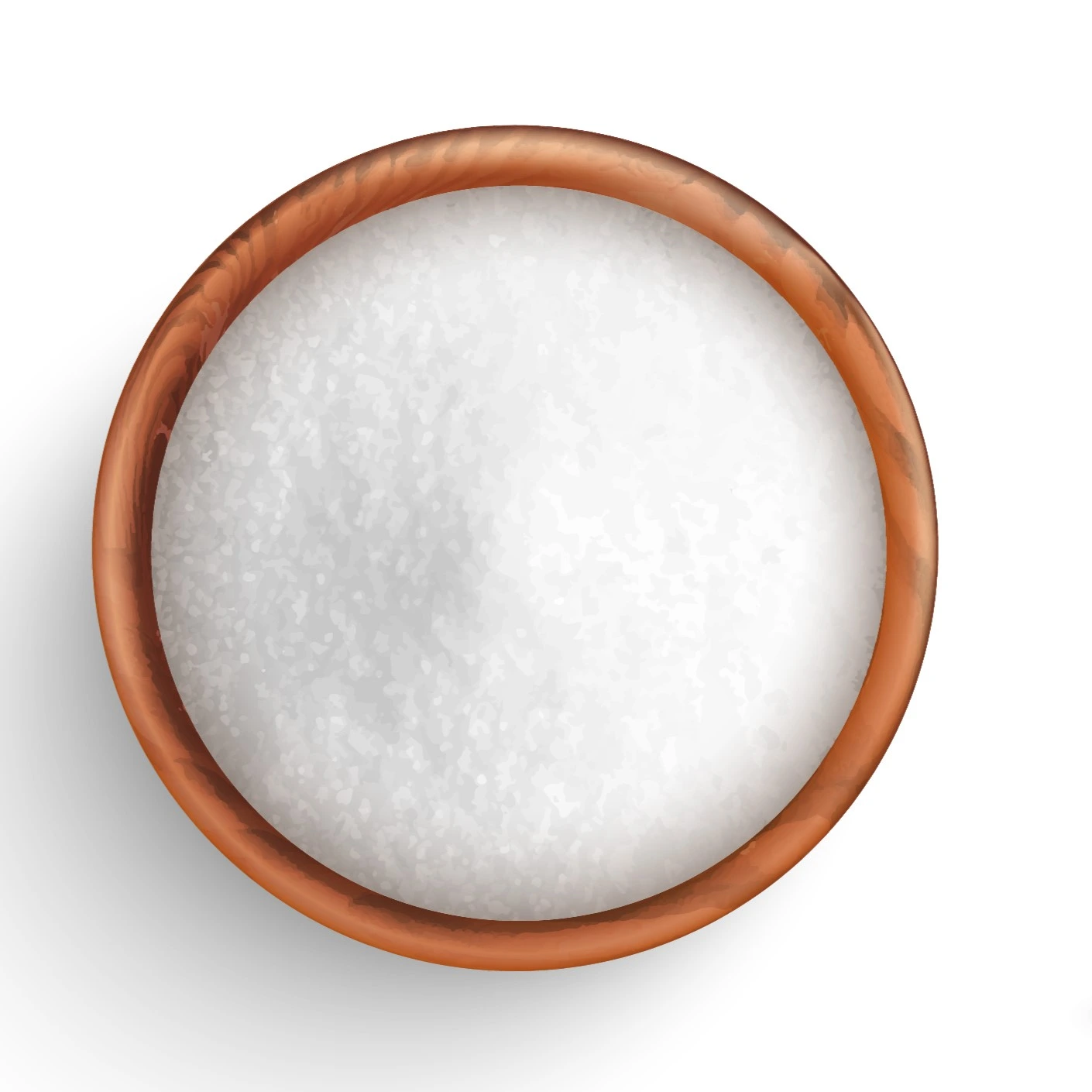
Phthalic Anhydride (99,8%) - India
Found this useful?